Council tax hike: Two councils defended by road campaigner for raising council tax to fund 20mph roads
Two Liberal Democrat-run councils have been defended by a road campaigner after hiking council tax rates in favour of new 20mph roads.
Speaking to GB News, London Campaign Coordinator at 20sPlenty Jeremy Leach argued that the rise in costs is “little” compared to the “benefit” of slower roads.
Gloucestershire County Council and Hertfordshire County Council have both approved rises of 4.99 per cent, the highest permitted without triggering a local referendum.
The combined investment totals £3.5million, with Gloucestershire allocating £2million and Hertfordshire contributing £1.5million towards the lower speed limit schemes.
For households in Band D properties, the increase translates to an additional £84 annually. Some local critics have described the planned zones as “disruptive” to their daily routines.
Discussing the plans on GB News, Mr Leach argued that the expenditure represents good value when weighed against potential benefits.
He said: “There is a cost associated with changing from 30 mile an hour to 20 miles an hour, but it’s generally relatively low, around about £10 a head to do that.
“It’s a relatively small cost I think for Hertfordshire, it’s about £1.5million out of the total budget of 1.2billion, but I just want to say what a difference some lower speed limits make. What we see regularly now is we’re seeing a 25 per cent reduction in casualties where 20 mile an hour limits were introduced.”
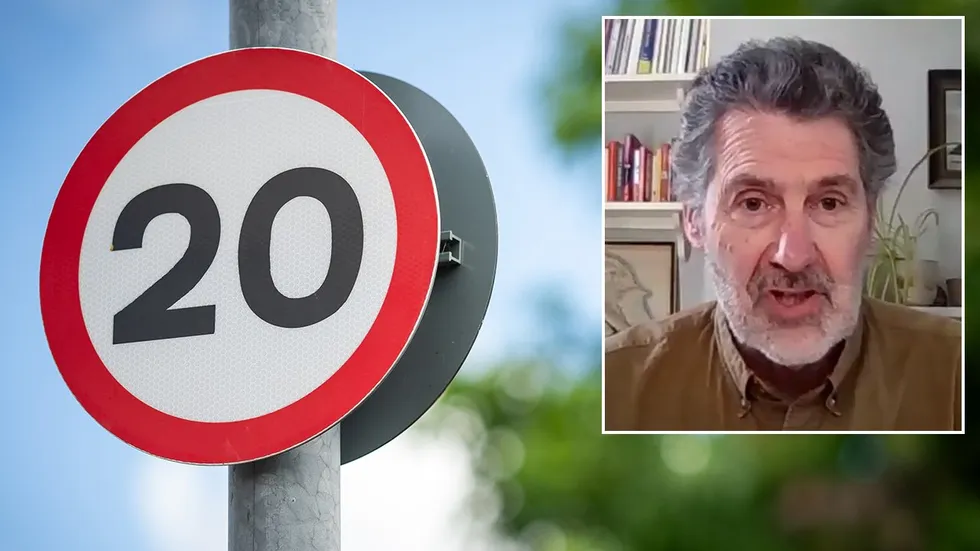
Campaigner Jeremy Leach has defended two councils for hiking council tax to fund new 20 mile per hour speed limits
|
GETTY / GB NEWS
Mr Leach highlighted that road casualties in Hertfordshire currently cost £87million annually, suggesting a shift to 20mph limits could deliver savings of £22million through reduced injuries and lost earnings.
He noted that average speeds typically fall by around five miles per hour where the lower limits are implemented.
The campaigner said: “The cost of casualties on 30 miles an hour roads, if that was reduced to 20 miles, you’d save £22million, according to costs and loss of earnings, so there’s a huge benefit. I would say that the cost is relatively little to the benefit.
“We’re finding there’s around about a five mile an hour average speed reduction when 20 mile an hour is in place. So yes, we’ve still got work to do to get people to comply with the 20 mile an hour, but their speeds are coming down an awful lot.”
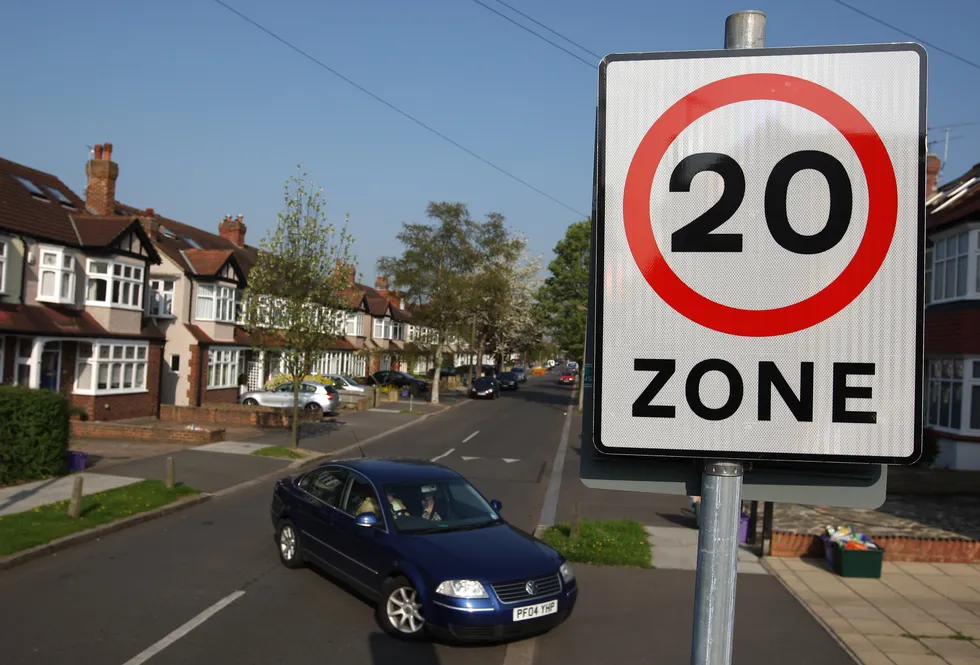
New 20mph speed limits will be rolled out across the two councils
|
PAArguing that the 20mph limit should be implemented more broadly rather than certain buildings such as schools or hospitals, Mr Leach told GB News: “And the key point I’d like to make is that in London, 70 per cent of casualties happen on main roads, they happen on those high streets, those roads where people and vehicles mix.
“So just putting that outside the schools, outside hospitals, that’s not going to have the impact that 20 mile an hour can have to reduce casualties. So in places where people and vehicles mix, in built up areas, you’ve got to do 20 in a wide area to really have the impact.”
He stressed: “The stopping distance at 20 is a fraction of that at 30, so the chance of stopping successfully before you hit is so much greater if you’re going at a lower speed.
“And air quality is not made worse by 20 mile an hour limits in built up areas. Nearly all of the energy used is getting up to 20 miles an hour, getting up to 30 miles an hour, and it uses so much more energy to go up to 30 miles an hour than 20.”
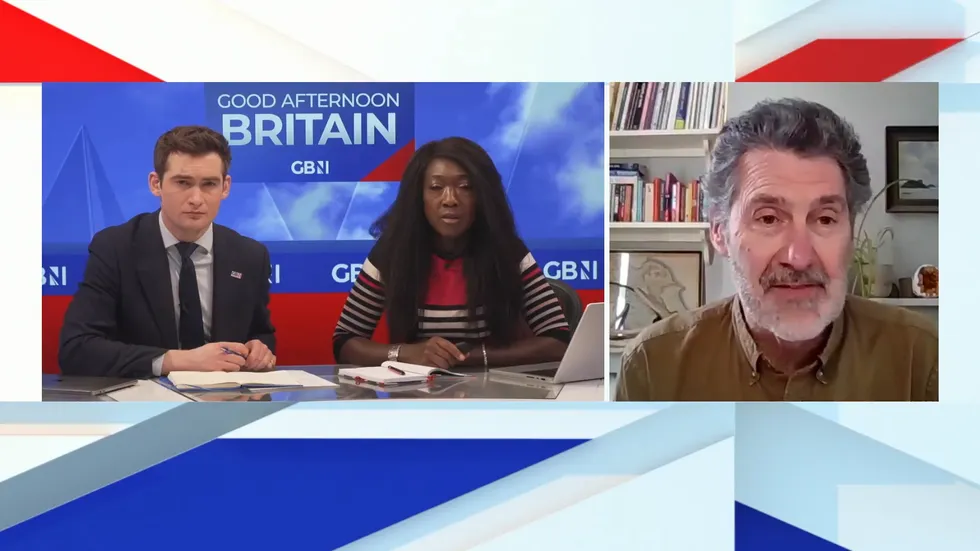
Mr Leach told GB News that it is ‘little cost’ for ‘big benefit’
|
GB NEWS
Liberal Democrat councillor Paul Zukowskyj dismissed criticism of the schemes, emphasising their safety benefits for local families.
He said: “They make communities safer and make people feel better about their kids walking to school. The data is very clear, there is a 25 per cent reduction in casualties after it is introduced.”
In a statement, leader of Gloucestershire Council Lisa Spivey told GB News: “Lower speed limits don’t just tackle accident rates.
“They create healthier environments with better air quality, making people feel safer and encouraging walking and cycling.”