Legal row over university’s trans policy could force nationwide overhaul of single-sex space guidance
A leading British university is facing a High Court battle over guidance telling museums and galleries to let people use the toilets where they feel “most comfortable” in a case which is set to affect single sex spaces across the UK.
Advice produced by the University of Leicester – whose recommendations are used across the nation’s cultural sector, including museums, galleries, archives and heritage organisations – advises trans employees and visitors should be free to use the toilets they feel “most comfortable in”.
Campaign group Freedom in the Arts (FITA) has sent a formal legal warning demanding the university withdraw the guidance. It claims the advice risks pushing organisations into breaking health and safety law and breaching equality rules.
The dispute centres on a 2023 document called “Trans Inclusive Culture: Guidance on advancing trans inclusion for museums, galleries, archives and heritage organisations” which advises trans employees and visitors to be free to use the bathrooms “they feel most comfortable using”.
FITA argues that advice could breach workplace regulations which say toilets must either be provided in separate rooms for men and women – or be individual lockable rooms.
The claim is based on two legal cases – including a Supreme Court decision in 2024 which ruled that the word “sex” means biological sex.
Then in February this year, the High Court ruled that workplace rules on single-sex toilets must also be based on biological sex.
The judge also said single-sex toilets are no longer single-sex if people use them other than in line with their biological sex.
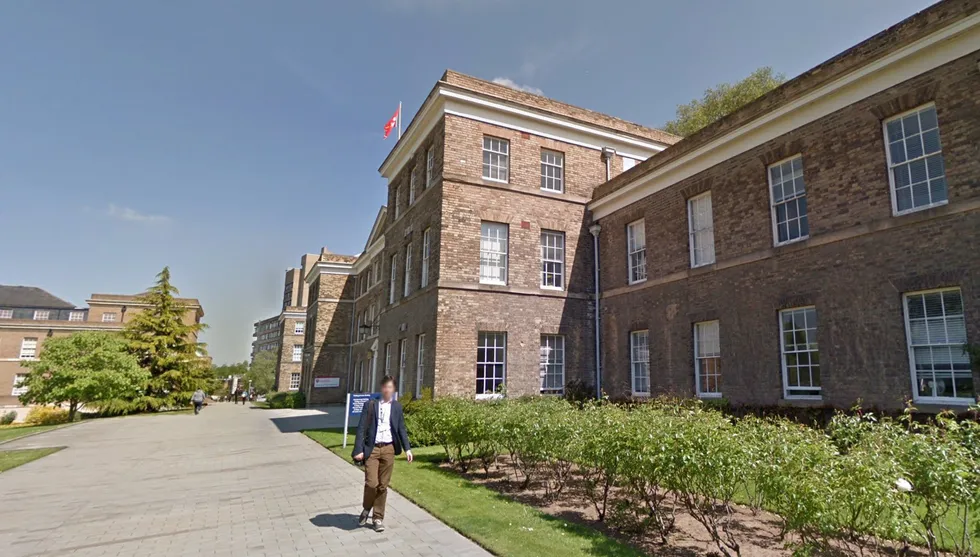
The University of Leicester is locked in a legal row
|
GOOGLE MAPS
Lawyers Conrathe Gardner LLP, acting on FITA’s behalf argue that allowing people to choose whichever single-sex toilet they prefer – where facilities are not individual lockable rooms – would mean those toilets are no longer legally single-sex.
FITA also claims the university failed to properly assess the impact of the guidance on women and people with certain religious beliefs. And they warn the guidance could be unlawful.
Denise Fahmy, co-director of Freedom in the Arts. said: “Arts institutions deserve accurate legal guidance, instead, they have been given advice that risks encouraging unlawful practice and in some cases potentially criminal breaches of workplace law.”
She added Leicester’s guidance runs contrary to recent legal rulings: “it is unequivocal – museums and galleries cannot simply allow trans-identifying men access to women’s bathrooms and toilets.
The row centres around ‘uni-sex’ spaces
|
PALeicester’s ‘guidance’ quite clearly advises to the contrary and the University must now, as a matter of urgency, amend or bin it. FITA first challenged the guidance in August 2025. The university denied it was unlawful but said it would review it.
In October, the university made around 30 changes to the document. But FITA says the updated version still contains legal errors.
The group is also challenging sections dealing with “preferred pronouns”.
It argues that requiring staff to use certain pronouns could discriminate against people with “gender critical” beliefs, which are protected under the Equality Act 2010, and could affect freedom of speech rights.
The group is demanding withdrawal of the guidance and a response within 14 days If the university refuses, FITA says it will take the matter to court.