Christian groups lament ‘disappointing’ bill to let children opt out of religious observance in schools
The Church of Scotland has reaffirmed the value of religious education in Scottish schools as MSPs consider changes to prioritise children’s preferences regarding religious observance.
The institution welcomed the prospect of children airing their views in regards to religious teachings in schools, but warned that simpler mechanisms for opting out could leave some children “without even a basic understanding of the beliefs, practices, and values that shape our diverse society”.
The Scottish Parliament will today sit for the third reading of the Children (Withdrawal from Religious Education and Amendment of UNCRC Compatibility Duty) (Scotland) Bill.
The Scottish National Party insists the legislation is structured to comply with the United Nations Convention on the Rights of the Child (Scotland) Act 2024.
However, Scottish parents can currently withdraw their children from religious education and religious observance in schools under the Education (Scotland) Act 1980.
The amendment bill would also give the child an opportunity to express their views.
Regardless of parents’ wishes, the proposed legislation could see children opt out of religious education even if a pupil’s wishes differed from their parents’ personal view.
Supporters of the bill point out this change will give the overall decision to the school, which would have the right to choose to honour the wishes of the parent or the child.
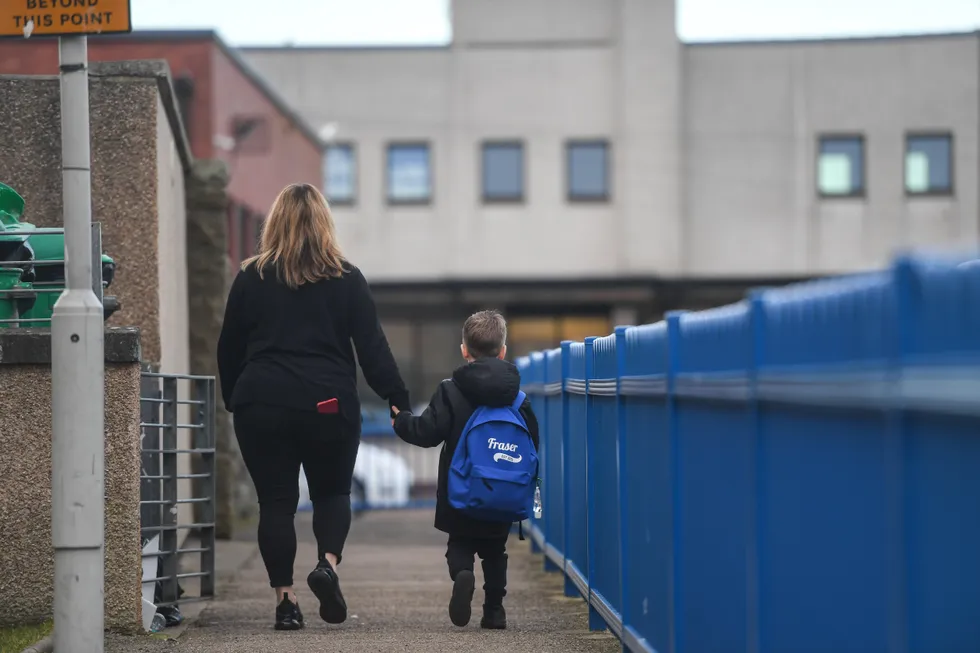
The amendment bill would also give the child an opportunity to express their views
|
GETTY
However, leaders from Scotland’s Catholic community have voiced their own concerns about the amendment separating religious education and religious observance in schools.
A spokesman for Scotland’s Catholic Bishops said: “There is an intrinsic link between RE and RO in Catholic schools.
“Religious education gives knowledge of faith, while religious observance is the living expression. One without the other risks empty ritual or solely ‘head’ knowledge.”
Bishops have also accused supporters of the amendment of not valuing the role religious observance and religious education play in Catholic schools.

The legislation will return to the Scottish Parliament today
|
PA
They also accused the Scottish Greens of campaigning for the removal of denominational schools from the Scottish school system, defending their example of “a diverse, pluralistic and democratic education system in action”.
Ahead of the vote, the Humanist Society of Scotland (HSS) warned the proposed changes do not go far enough.
The group commissioned Survation to conduct a poll to gauge public opinion on teaching religion to schoolchildren.
The survey found that two-thirds of Scots think children are capable of deciding for themselves whether or not to opt out of religious activities.
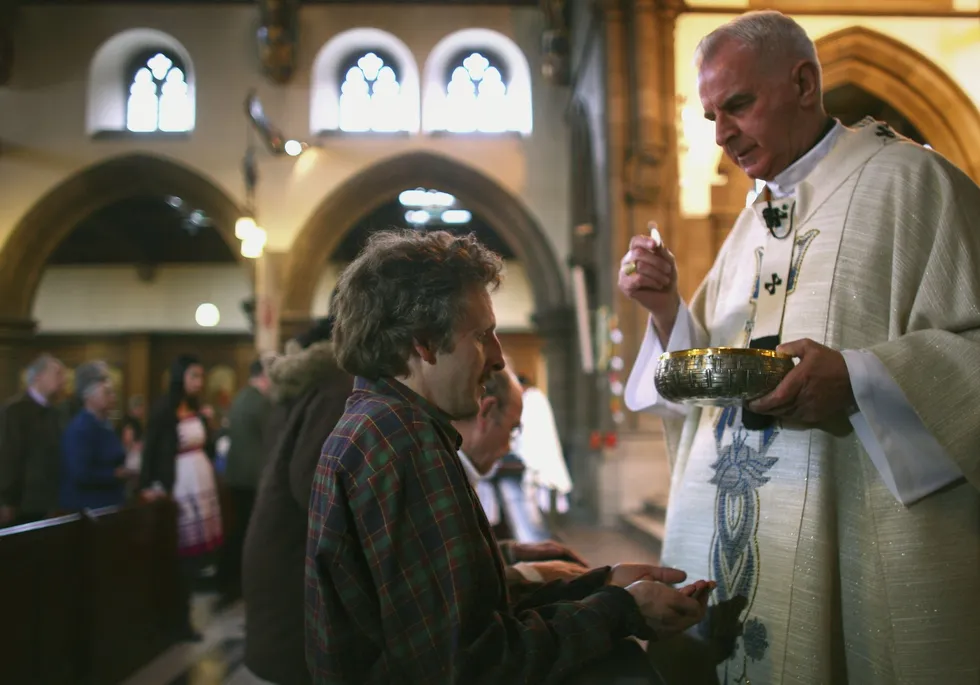
The Roman Catholic Church in Scotland also spoke out against the decision
|
GETTY
The Humanist Society of Scotland complained that 71 per cent of religious observance instances were delivered by Christian representatives, voicing disapproval that 54 per cent of instances were prayer or worship-based, requiring pupils to affirm belief in God.
Lewis Young, Humanists UK policy and campaign manager, said: “MSPs have a real chance to stop pupils being treated as a captive audience for worship.
He added: “This new report from HSS shows that, despite assurances from the Scottish Government, school worship is overwhelmingly Christian and often prayer-based, despite most school-aged children in these areas having no religion.”
However, a lengthy statement from the Children and Young People’s Commissioner Scotland is unsupportive of the Stage 3 amendment bill, believing it shows a “divergence from a clear recommendation made by the UN Committee on the Rights of the Child”.
Nicola Killean said: “This proposal transfers the ability to make a final decision on withdrawal from parents to the state.
“It appears to create a new power for a school to decline a parental request to withdraw the child from religious observance on the basis of the school’s assessment of the child’s wishes.”
The Scottish Parliament amendment returns to Holyrood at a time when collective worship has come under increased national scrutiny.
The UK Supreme Court ruled in November that the rights of a Northern Irish girl were breached by her school after she was compelled into worship, despite her father opting out of religious observance on her behalf.
The ruling sparked fresh calls to explore the impact of collective worship in UK schools and fairly bolster the responsibility of opting out of religious education and observance for young people.
Scotland’s 2022 Census revealed a significant increase in Scots not following any religion, up from 37 per cent in 2011 to 51 per cent.
Meanwhile, followers of the Church of Scotland dropped from 32 per cent to 20 per cent, while those identifying as Roman Catholic decreased from 16 per cent to 13 per cent.
However, followers of Islam have increased from just 1.45 per cent in 2011 to 2.2 per cent in 2022.