UK youth unemployment rises above Europe for first time on record
A sharp rise in joblessness among young people has pushed Britain to an unwanted milestone.
For the first time in a quarter of a century, the UK now has a higher youth unemployment rate than the European Union.
Figures from the Organisation for Economic Co-operation and Development show unemployment among 16 to 24 year olds climbed to 15.3 per cent in the three months to September.
That puts Britain above the EU average of 15 per cent. Comparable records stretch back to 2000, and this is the first occasion the UK has been worse.
Bank of England rate setter Catherine Mann said large rises in the minimum wage were a major factor behind the deterioration.
She argued that “substantial” increases introduced under Conservative governments and continued by Labour had “manifested in unemployment” among younger workers.
The former OECD chief economist said decisions taken by ministers had been the single biggest influence behind the recent jump in the youth jobless rate.
Her intervention comes as policymakers wrestle with how to support hiring while wages continue to rise and growth remains weak.
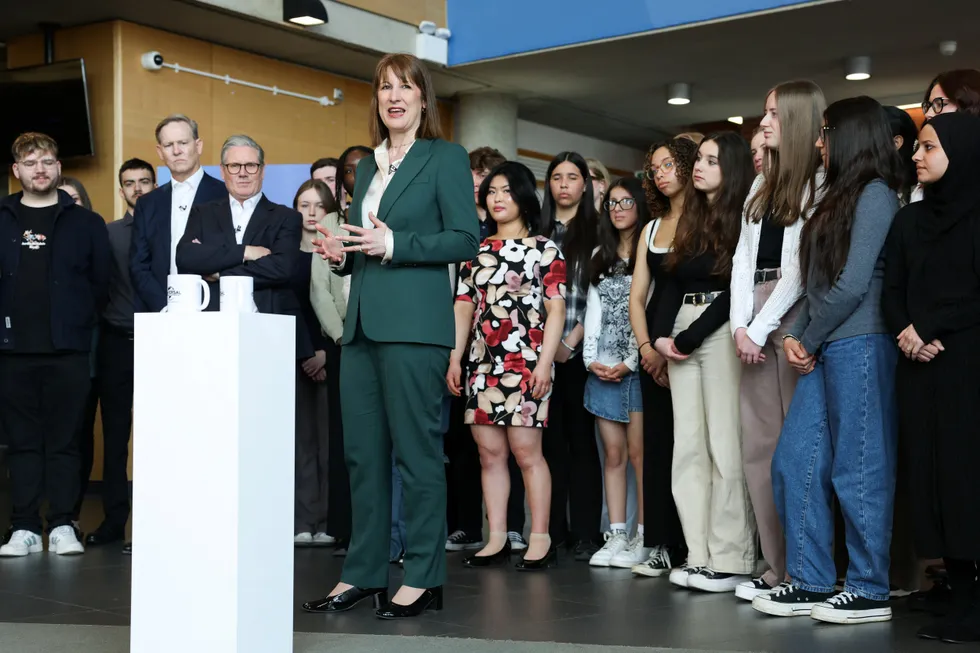
Substantial minimum wage increases manifested in unemployment among younger workers, the expert said
|
GETTY
In an interview with The Telegraph, Ms Mann said: “I think we have to be very careful in the storyline about youth unemployment being the canary in the coal mine for a deeper deterioration in the labour market.
“The accumulation over three years of the rise in the national living wage for that group has been manifested in unemployment for that category of workers. Very unfortunate, but it is true. It is a fact.”
Ms Mann, who previously advised former US president George H. W. Bush and now sits on the rate setting committee at the Bank of England, is not alone in raising concerns.
A growing number of economists, along with several left leaning think tanks, believe recent above inflation increases in the minimum wage are putting pressure on the labour market.
Even Angela Rayner has acknowledged the risk to young workers. The former deputy prime minister, who is widely tipped to be considering a future challenge to Keir Starmer, said last week that a policy she has long supported now presents a “challenge” for employers trying to hire.
Labour has promised to remove what it calls discriminatory age bands by phasing out the lower youth rate that has been in place since the minimum wage system began in 1999.
Britain is not only above the EU average, the rate is now higher than in Hungary, Slovenia and Poland
|
PAChanges have already been made. In April 2024, then chancellor Jeremy Hunt removed the lower rate for 21 and 22 year olds. Since then, ministers have significantly reduced the gap between younger and older workers through a series of sizeable uplifts.
Rachel Reeves increased pay for 18 to 20 year olds by 16.3 per cent in April 2025, lifting the hourly rate from £8.60 to £10. Over the same period, the rate for workers aged 21 and above rose by 6.7 per cent, moving from £11.44 to £12.21.
Another rise is due this April. The youth rate is scheduled to increase by 8.5 per cent to £10.85 per hour, while those aged over 21 will see a 4.1 per cent uplift, taking pay to £12.71 an hour.
Lower minimum pay for younger workers was originally intended to give employers an incentive to hire people with little or no experience.
Paul Johnson, the former director of the Institute for Fiscal Studies, said recent policy changes risk making that first step into work tougher.
He said: “If employers have a choice between paying the same for an 18-year-old and a 25-year-old, why on earth would they choose the 18-year-old? There was a good reason for having that lower rate for the younger group.”
Data from the Organisation for Economic Co-operation and Development indicate that 150,000 more young people have become unemployed since Labour entered government. That takes the total number of jobless 16 to 24 year olds to 729,000.
Britain is not only above the EU average, the rate is now higher than in Hungary, Slovenia and Poland, and is close to overtaking Greece, where youth unemployment reached 60.6 per cent in the aftermath of the eurozone crisis.
Andrew Griffith, the shadow business secretary, said: “For decades one of Europe’s epic failures was its high levels of youth unemployment. So it’s a complete disaster that even before the worst of their policies have fully hit, Labour have made the UK worse than Europe on youth unemployment.”
Ms Mann said the UK economy remains “sluggish” and “tepid”, warning that families have been “scarred” by inflation and are holding back spending.
The Bank of England policymaker said the drivers of expansion were weak, adding: “The supply side of the economy is productivity growth, business investment and labour, and we’re basically not firing on any of those cylinders. And that’s a problem.”
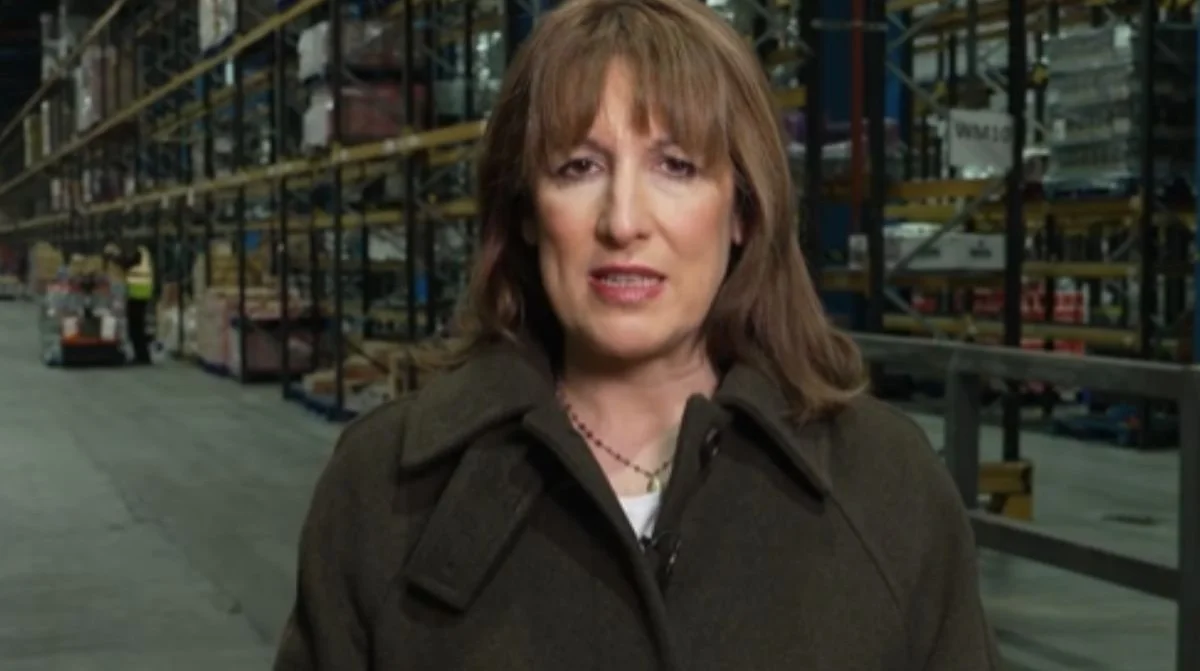
Rachel Reeves increased pay for 18 to 20 year olds by 16.3 per cent in April 2025,
|
ITVAlthough she understands “the objectives” of higher minimum pay, she said firms facing rising costs may hold off on recruitment. “Firms can raise prices, firms can lower wages, firms can improve productivity, and firms can choose not to hire,” she said, adding many will end up “make a decision about not hiring”.
Paul Johnson of the Institute for Fiscal Studies said: “The increase in employers’ National Insurance contributions was actually designed to hit employers of low-wage people harder, and obviously, on average, younger people earn less, so you’d expect that to hit them harder.”
Louise Murphy from the Resolution Foundation urged ministers to tread very carefully, saying: “When you look at some countries with very high rates of youth employment, places like Netherlands, Denmark, other European countries, it’s quite normal to have lower youth minimum wage rates compared to the adult rates.”
A Government spokesman said: “Youth unemployment has been on the rise since 2022, and we are taking firm action to get young people into good jobs and drive growth in every part of the country.
“We are investing £1.5billion in work, training and apprenticeship opportunities and making it easier for businesses to back young talent through National Insurance relief, while Alan Milburn’s independent review will get to the root causes of youth inactivity.”