Stamp duty slammed as ‘most hated tax’ as homebuyers hit with extra £4,000 charge
First-time property purchasers handed over an average of £4,073 in stamp duty during the 2024-25 financial year, even while benefiting from relief schemes, according to newly released HM Revenue and Customs (HMRC) data.
The figures, disclosed through a freedom of information request submitted on behalf of financial app Plum, reveal the substantial tax burden facing those attempting to get onto the housing ladder in England and Northern Ireland.
HMRC’s statistics specifically track individuals who claimed first-time buyers’ relief on transactions attracting a tax liability during the period.
The revenue authority’s data showed that more than 13,000 individuals claiming first-time buyer relief faced stamp duty bills of £5,000 or above.
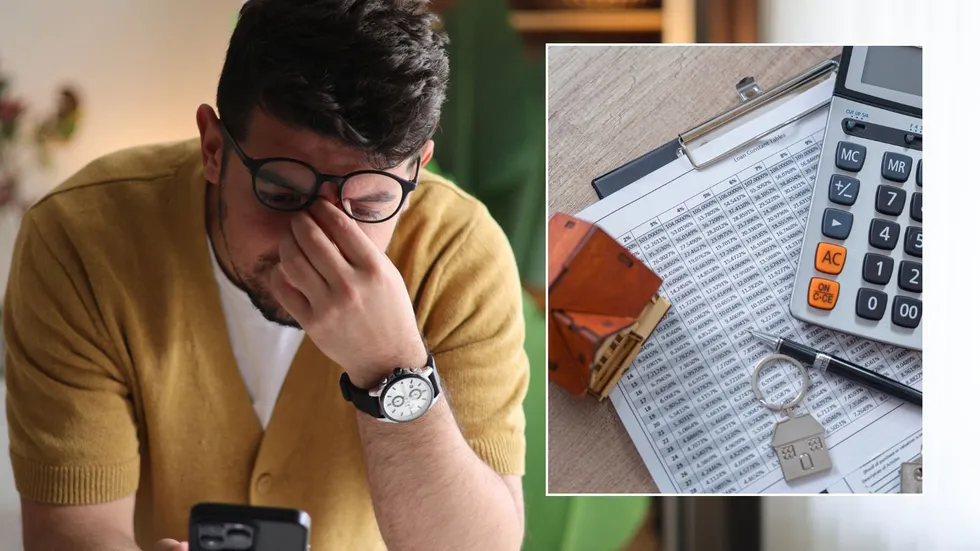
Britons are paying thousands of pounds in stamp duty
|
GETTY
Given that the nil rate band stood at £425,000 during this period, the majority of relief claimants with a tax liability would have purchased properties exceeding this threshold.
HMRC noted that its records capture only those who claimed the specific relief, rather than all first-time purchasers entering the market.
A further 12,000 transactions involved relief claimants paying less than £2,000 in stamp duty, demonstrating the wide variation in tax bills depending on property values.
Changes implemented in April 2025 have made the stamp duty regime considerably less favourable for those purchasing their first home.
 The current stamp duty framework requires buyers in England and Northern Ireland to pay tax on properties exceeding £125,000 | GETTY
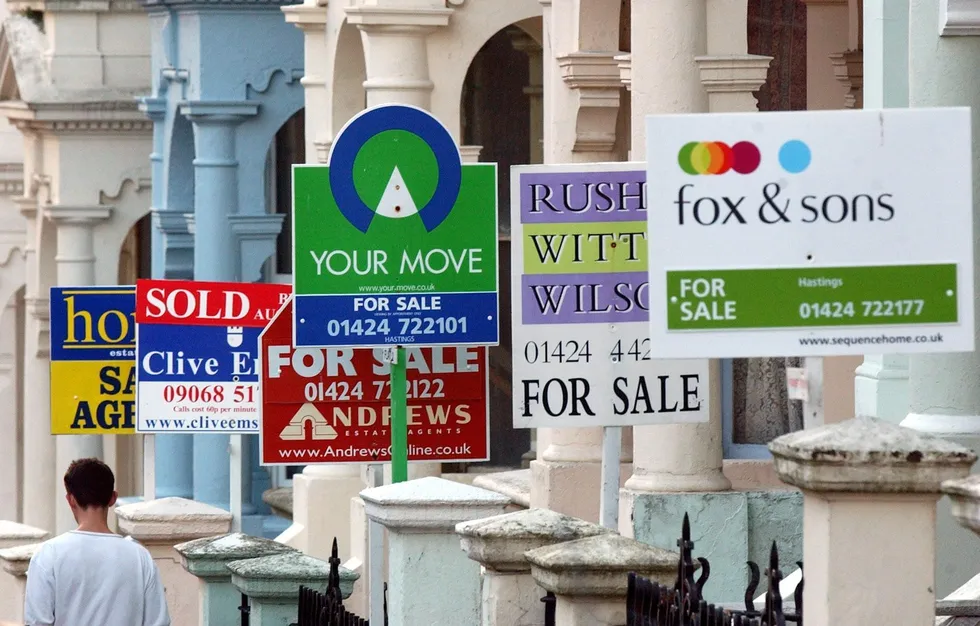 Analysts are sounding the alarm over the property crisis | PA
The nil rate threshold, which had been temporarily elevated to £425,000, was reduced to £300,000, meaning buyers now face tax on a larger portion of their purchase price.
Additionally, the ceiling at which first-time buyers can access preferential rates dropped significantly, from £625,000 to £500,000.
Those acquiring properties above the new £500,000 limit must now pay standard stamp duty charges rather than benefiting from the first-time buyer relief structure.
These alterations apply to property transactions in England and Northern Ireland.

Homebuyers have long been saddled with stamp duty costs
|
GETTYRajan Lakhani, a personal finance expert at Plum, warned that reduced thresholds would push tax bills higher.
He said: “Stamp duty has long been one of the most hated taxes there is, but the pain faced by first-time buyers is particularly acute given the financial challenges they already face in raising a deposit.”
Mr Lakhani suggested Lifetime Isas could help offset some costs, noting that two years of maximising the annual allowance would generate sufficient bonus funds to cover stamp duty bills under £2,000.
The Government has announced plans to consult on a new savings product exclusively for first-time buyers, featuring a bonus for house purchases.