Facial recognition technology to be rolled out nationally and police to also get AI support | Politics News
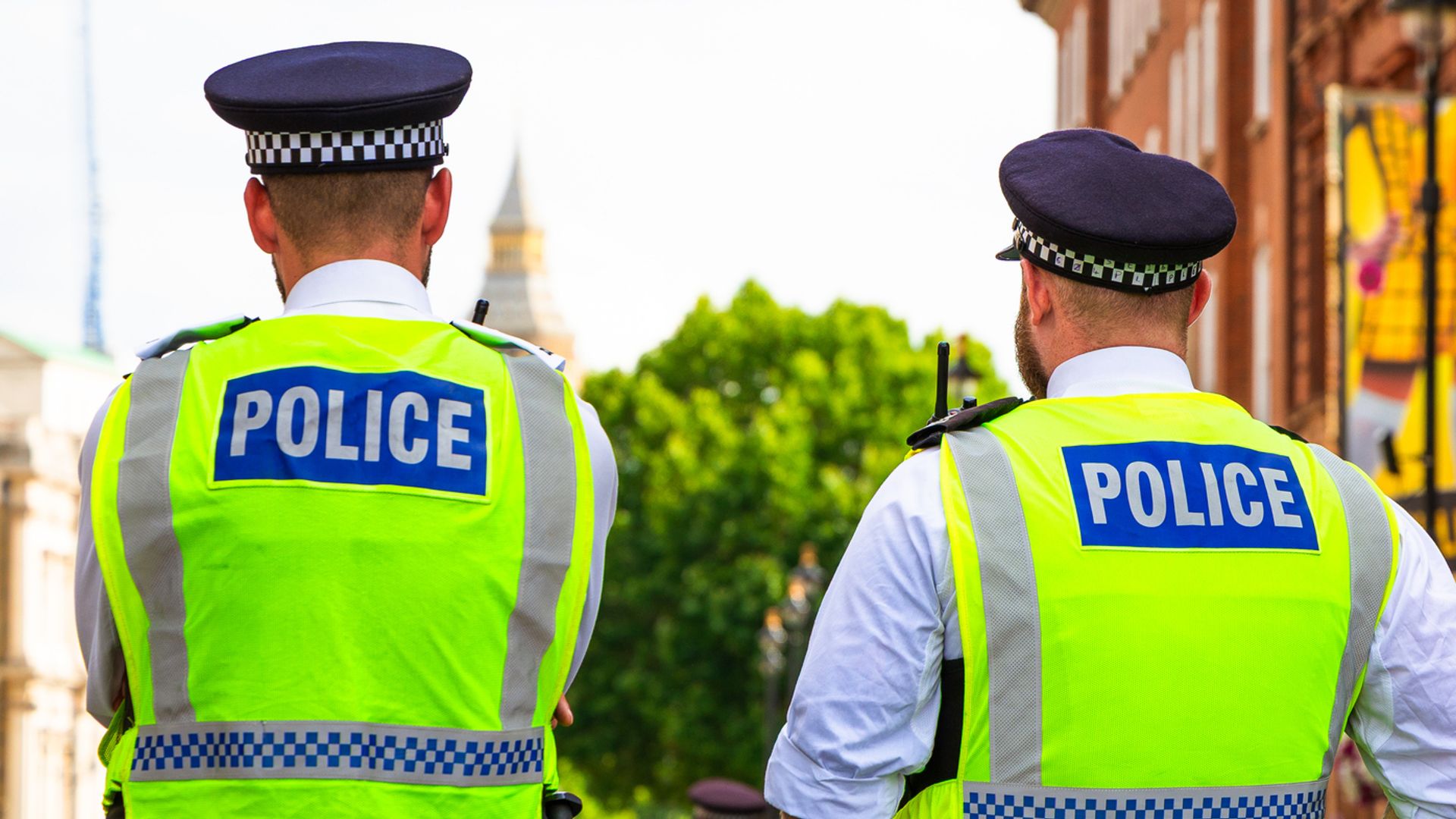
Facial recognition technology is to be rolled out across England and Wales to help all police forces, under sweeping reforms announced by the home secretary.
Shabana Mahmood told MPs that the government will invest more than £140m in new technologies to assist officers in the fight against crime.
The minister also announced in the Commons that all forces across England and Wales will be given artificial intelligence (AI) tools to help reduce the amount of time that officers must spend behind a desk, allowing them to be on the beat more instead.
Alongside the expansion of AI within the police, the nationwide rollout of live facial recognition (LFR) will be used to catch wanted rapists and murderers.
The Home Office has called the changes the biggest reform to policing since the police were professionalised two centuries ago.
Laying out the Police Reform White Paper, Ms Mahmood revealed that more tech experts, such as digital forensic specialists, will work within police forces to tackle fraudsters, criminal networks on the dark web and identify criminal hotspots.
The home secretary said: “Crime has evolved – but police forces haven’t.
“Fraudsters and serious organised crime bosses are outsmarting them.
“Under my reforms, forces will now hire more digital, cyber and forensic officers to put vile criminals behind bars.”
Under the plans, an existing 10 facial recognition vans will rise to 50, rolled out nationwide, to catch criminals on police watchlists – and will be overseen by a national centre on AI.
The white paper also seeks to create a “British FBI” called the National Police Service (NPS) and drastically cut the number of police forces.
The NPS – with the aim to tackle serious crime – will merge the existing National Crime Agency, Counter Terror Policing, the National Police Air Service and National Roads Policing all under a single organisation.
Work to set up the NPS will start this year, but it is believed it will be finalised in the next parliament.
A review will also look at how many regional forces to cut and report back this summer, with some mergers expected to take place by the next election.
Responding in the Commons, shadow home secretary Chris Philp said the plans don’t address total police numbers, claiming they are falling under the current Labour government.
He said: “The home secretary can set targets and make announcements, but the fact is she is presiding over falling total police numbers and the public will be less safe as a result.
“To make things even worse, Labour plans to abolish prison sentences of under a year, so even the most prolific shoplifters will never face jail.
“This is a recipe for disaster cooked up by the home secretary in her previous role [as justice secretary].”
He added: “Her plan includes mandating the merger of police forces, and briefings over the weekend suggest a reduction from 43 down to 10 or 12, so a single police force might cover an area from Dover to Milton Keynes, or from Penzance to Swindon.
“Such huge forces will be remote from the communities they serve. Resources will be drawn away from villages and towns towards large cities.”
Ms Mahmood replied that the Conservatives slashed police numbers by 20,000, “a measure that they very hastily then tried to replace by bringing back another 20,000, but in a distorted way, which meant that 12,000 of those officers – warranted police officers – are doing desk jobs”.
She said Mr Philp “cannot possibly think it’s fine for 250 of those warranted police officers to be in HR (human resources) and 200 of them to be in admin support”.
Ms Mahmood added “regional forces will have within them local police areas who can then concentrate on policing their local communities right down to the neighbourhood level”.