‘If you’re going to do soundbites, do it for all victims!’
Martin Lewis has challenged Sir Keir Starmer to take tougher action on online scam advertisements, questioning why fraud victims are not receiving the same level of protection as those affected by other forms of online harm.
The Money Saving Expert raised the issue while questioning the Prime Minister’s suggestion that platforms that profit from harm and abuse could lose the right to self-regulate if they fail to act quickly.
Mr Lewis argued recent comments about regulating X and its Grok artificial intelligence (AI) chatbot highlighted an apparent inconsistency in how online harms are addressed.
Appearing on ITV on Tuesday, the Money Saving Expert said: “To hear the Prime Minister say, ‘If X cannot control Grok we will and we’ll do it fast because if you profit from harm and abuse you lose the right to self-regulate’.
Mr Lewis said: “Well, the hundreds of thousands of victims of scam ads who’ve had their money taken off them, who’ve had their self-esteem taken away, who’ve had their mental health damaged, who we won’t see come to 2027, for some reason they don’t get protected”.
The consumer champion argued that the approach taken towards X should be applied consistently across the technology sector.
He maintained that responsibility for scam advertising extended far beyond one platform.
Mr Lewis added: “It’s not just X; it’s Meta, who are the worst at this on Facebook and Instagram, it’s Google too”.
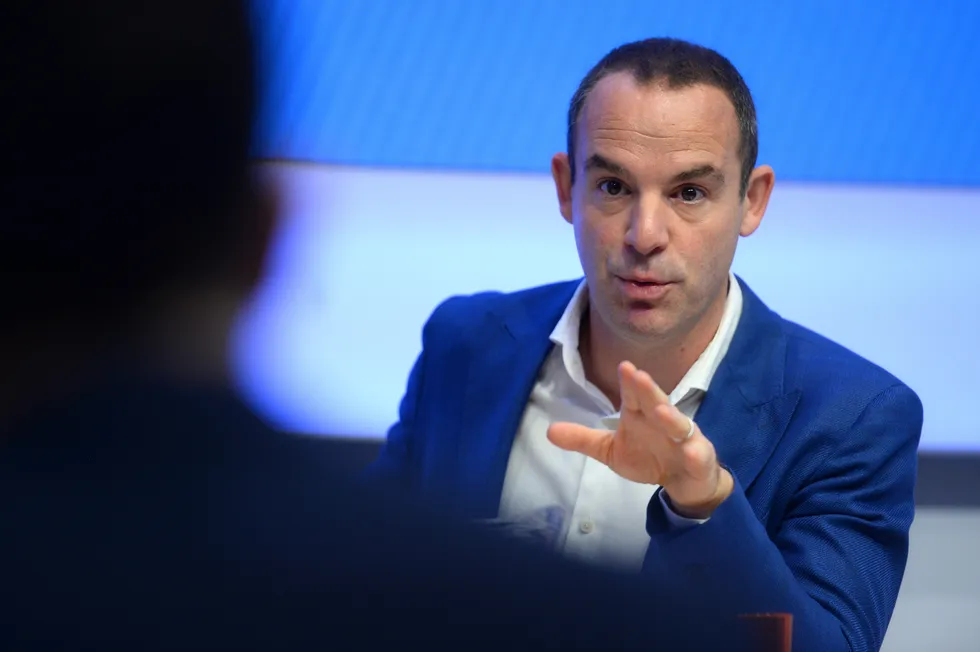
Martin Lewis has slammed the PM over his Grok comments
|
PAAccording to the Money Saving Expert, the companies involved were fully aware of the scale of the problem.
Furthermore, the 53-year-old noted that major technology firms continue to profit from advertising content linked to scams.
He said: “These companies literally know that they’re making billions of pounds a year from publishing these scams”.
Regarding official communications, Mr Lewis said Government messaging should reflect the impact of scam advertising on victims.
“If you’re going to do sound bites of generic harm and abuse, then do it for all the victims,” he said.
Beyond specific ads, Mr Lewis also criticised the broader state of online platforms.
“The whole cesspit of social media and big tech needs cleaning.”
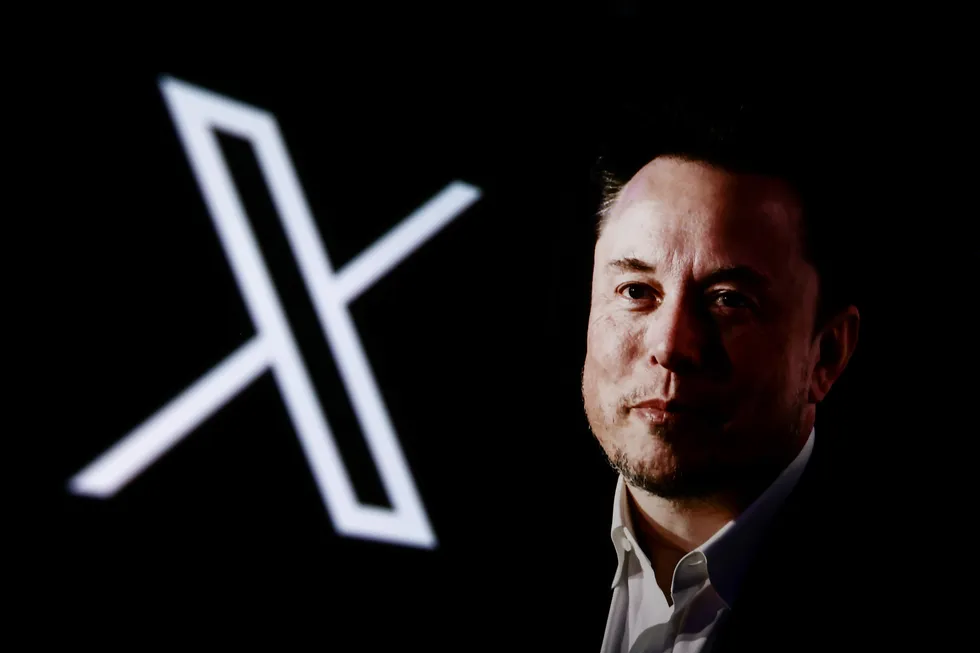
Elon Musk has been under fire for his AI feature ‘Grok’
|
Getty ImagesThe Money Saving Expert has been personally affected by scam advertising for several years, with his name and image having been repeatedly used by fraudsters to promote fake products and services.
New analysis suggests Mr Lewis’s image is used by scammers more frequently than that of any other celebrity.
Fake adverts featuring Mr Lewis have appeared across a wide range of platforms.
These include Facebook, X, Instagram, Google, WhatsApp and YouTube.
Some victims have lost large sums of money after trusting adverts they believed were endorsed by Mr Lewis.
In one case, a victim paid £9,500 for a boiler after responding to a fraudulent advert.
In another instance, £800 was handed over to a fake Bitcoin platform.
In 2018, he launched a defamation case against Facebook following the appearance of thousands of scam adverts using his name and image, which was settled in 2019.
As part of the settlement, Facebook agreed to donate £3million to establish an anti-scams project, with the platform introducing a dedicated reporting tool for UK users.
Recently, the Government has taken a firm stance on issues relating to X and its Grok chatbot.
Ofcom has launched a formal investigation into whether X is complying with the Online Safety Act.
Sir Keir told Parliament that X is now taking steps to ensure compliance with UK law.
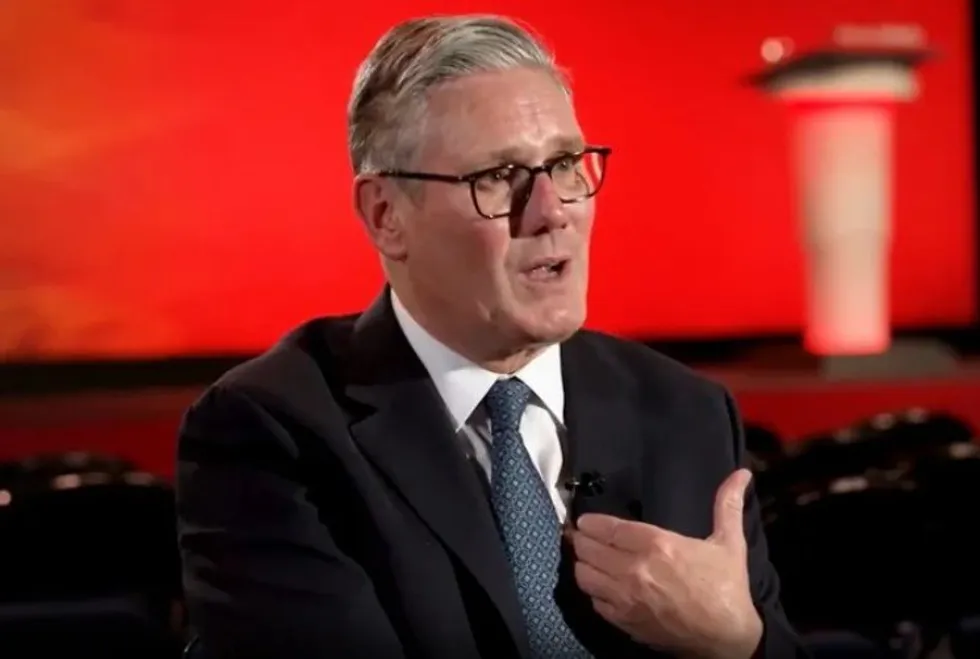
Rumours have circulated that the PM is looking at banning X in the UK
|
GB NEWS“We’re not going to back down… we will take necessary measures”.
The Prime Minister’s spokesman also criticised X’s decision to restrict Grok’s image-editing capabilities to paying subscribers.
“That move simply turns an AI feature that allows the creation of unlawful images into a premium service.
“It’s not a solution. In fact, it’s insulting the victims of misogyny and sexual violence”.
The Online Safety Act places a legal duty on platforms to prevent and remove scam advertising.
However, Ofcom remains responsible for enforcing the legislation.