

Iran’s participation in this summer’s World Cup has been thrown into serious doubt following the escalating Middle East crisis triggered by attacks that resulted in the death of Supreme Leader Ayatollah Ali Khamenei.
The Iranian Football Federation’s president, Mehdi Taj, cast uncertainty over his nation’s involvement in the tournament, which begins on 11 June across the United States, Canada and Mexico.
“After this attack, we cannot be expected to look forward to the World Cup with hope,” Taj stated.
The attacks, attributed to American and Israeli forces, have prompted retaliatory strikes from Tehran against US allies, dramatically intensifying regional tensions just months before kick-off.
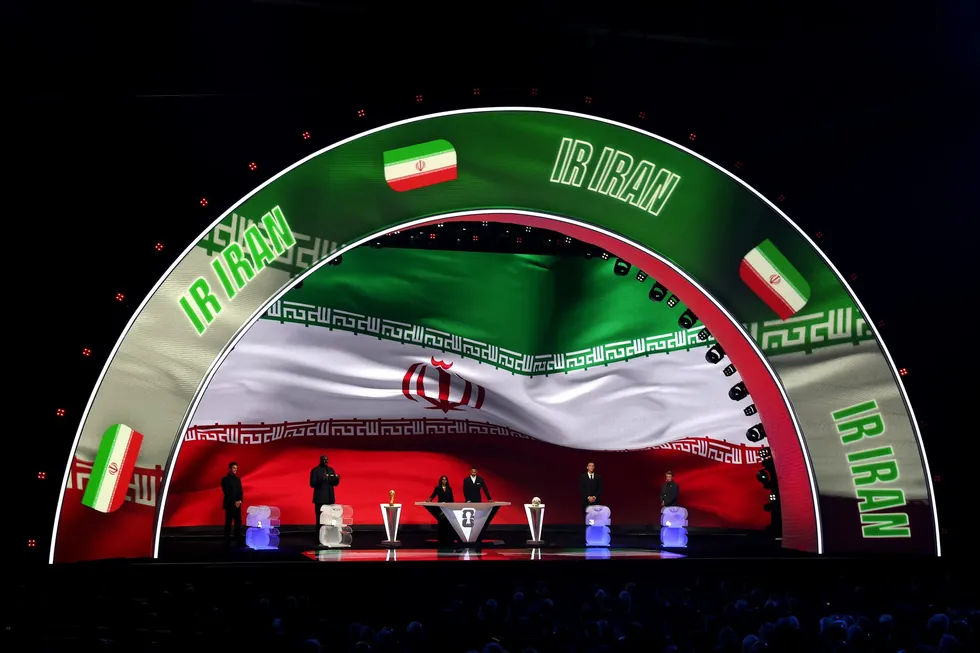
Iran look set to be kicked out of the World Cup
|
GETTY
FIFA’s tournament regulations remain notably imprecise regarding the replacement of qualified nations, stating merely that the governing body retains “sole discretion” to “take whatever action is deemed necessary.”
The world football authority may opt to substitute any withdrawing member association with another nation.
Should Iran pull out, reports state that the replacement would most probably emerge from the Asian Football Confederation.
Iraq and the United Arab Emirates have been identified as the frontrunners to fill any vacancy.
FIFA’s general secretary, Mattias Grafstrom, remarked on Saturday that “our focus is to have a safe World Cup with everybody participating.”
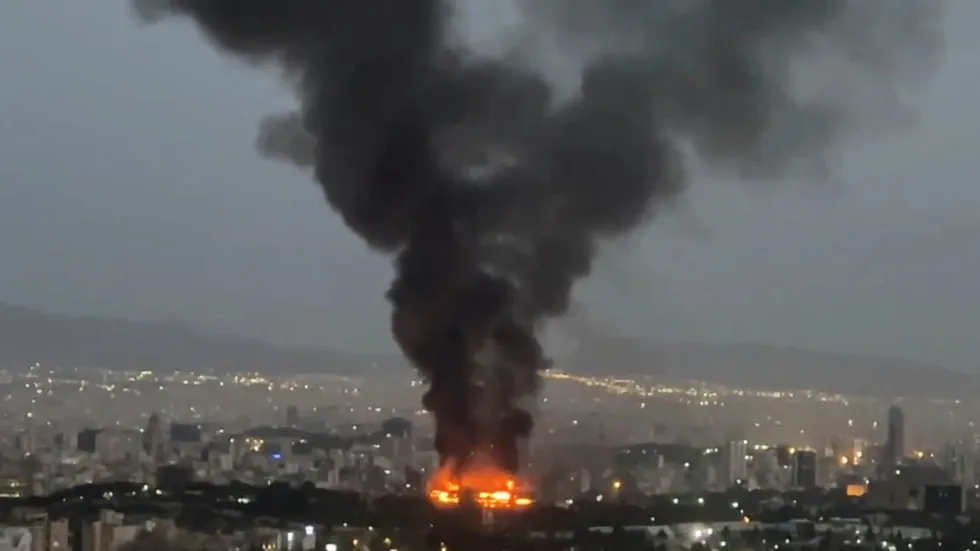 Smoke rises from a fire, as the Israel-Iran air war continues, in Tehran, Iran | REUTERS
The governing body has declined further comment since those remarks.
Iran’s withdrawal from the tournament would mark an unprecedented development in modern football history.
No nation has pulled out of the World Cup following the draw since 1950, when both France and India declined to participate, citing the expense of travel.
Team Melli earned their berth at the finals by topping Group A during the third round of Asian qualifying.
The potential void raises complex questions about succession, with FIFA sources suggesting Iraq would be first in line should they fail to secure qualification through their own route.
Iraq face an intercontinental playoff on 31 March against either Bolivia or Suriname in Monterrey.
Should Iraq successfully navigate their playoff, any Iranian vacancy would likely default to the UAE, Asia’s next highest-ranked nation without a finals berth.
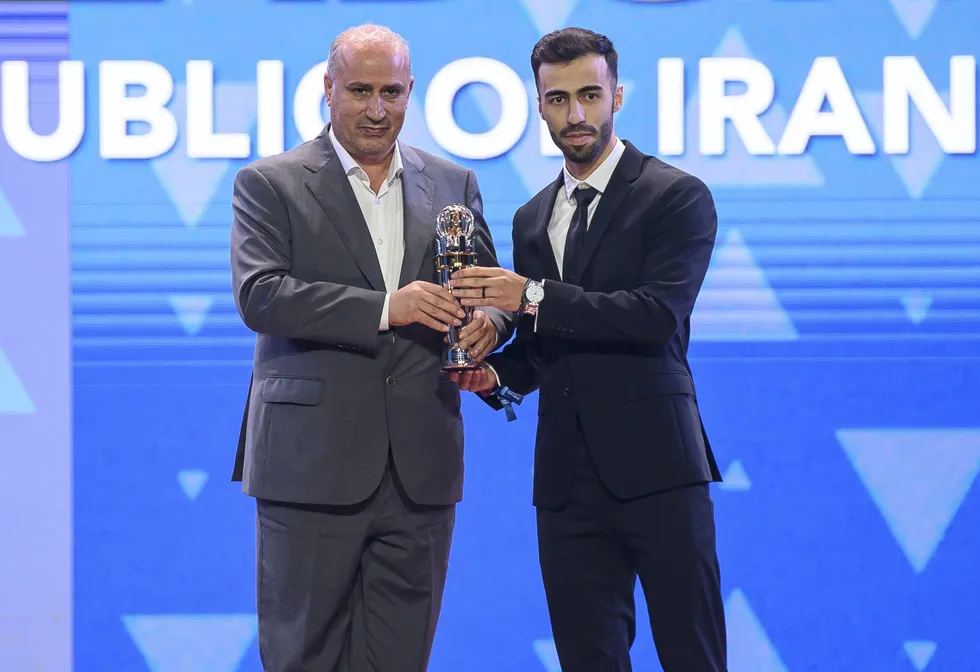
Iranian Football Federation’s president, Mehdi Taj, cast uncertainty over his nation’s involvement in the tournament
|
GETTY
Iran are scheduled to contest their group-stage matches entirely on American soil, facing New Zealand and Belgium in Los Angeles before meeting Egypt in Seattle.
The diplomatic backdrop remains fraught, with Washington having imposed restrictions barring Iranian citizens from entering the country.
Limited exceptions have been granted for national team players and essential support staff.
Several Iranian Football Federation officials, including Taj himself, were refused visas to attend the World Cup draw held in Washington DC last December.