

The strain of meningitis behind the elements of the outbreak in Kent has been confirmed by the UK Health Security Agency (UKHSA) to be group B, also known as MenB.
Addressing the incident, the agency said it will confirm the nature of the other cases “when we have the full results”.
Two people have died as a result of the outbreak, among 13 confirmed cases since March 13.
One of the deceased was 18-year-old Juliette, whose family described themselves as “beyond devastated” and that they had “no words to express their loss”.
A student at the University of Kent has also died.
The UKHSA has urged those who attended a nightclub in Canterbury to come forward for preventive antibiotics against meningitis amid the viral outbreak.
It has called on those who visited Club Chemistry between March 5 and 7 to claim the treatment as a precautionary measure.
“Advice has been issued to 16,000 staff and students at the University of Kent, where antibiotics are also being offered to those who need them,” an official statement read.
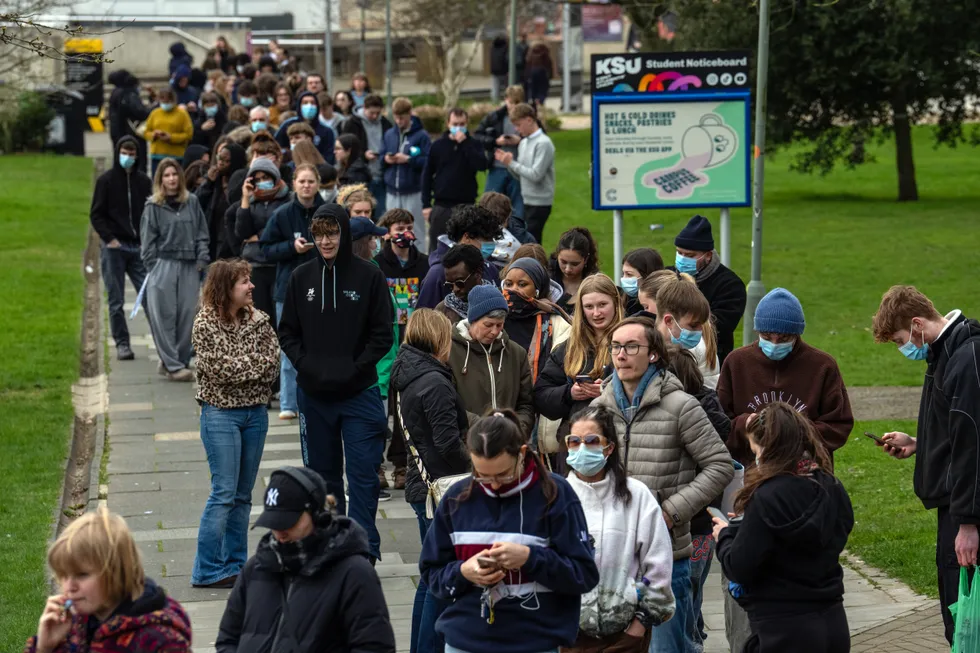
The strain of meningitis behind the outbreak in Kent has been confirmed as group B, also known as MenB
|
GETTY
Following the outbreak, the University of Kent cancelled in-person exams this week, while the student union called off its events.
Hundreds of students and locals queued at the campus on Monday to receive the precautionary antibiotics, under the guidance of the UKHSA.
Trish Mannes, UKHSA Regional Deputy Director for the South East, said: “Our thoughts remain with the friends and family involved, and we understand that many people in the university and wider community will be affected by this sad news.
“Our investigations have identified that some cases visited Club Chemistry in Canterbury, and it is important that anyone who visited the club between 5 and 7 March now comes forward for preventative antibiotic treatment as a precaution, as well as those offered antibiotics at the university – these students are being contacted directly through the university.
“If you think you may have symptoms of meningitis, do not hesitate to seek medical help by contacting your GP or calling NHS 111.”
MORE TO FOLLOW






 to be group B, also)