
A Manchester NHS Trust has advertised what it called an “exciting new job opportunity” for a nurse specialising in “close-relative” marriage support.
The position, which has now closed, aims to help cousins having children together through “informed reproductive decision-making”.
Job requirements made it clear the trust wanted someone fluent in Urdu and who “values diversity and difference”.
As part of the role, posted by Manchester University NHS Foundation Trust, the nurse will help parents “make informed choices in a culturally sensitive empowering way”.
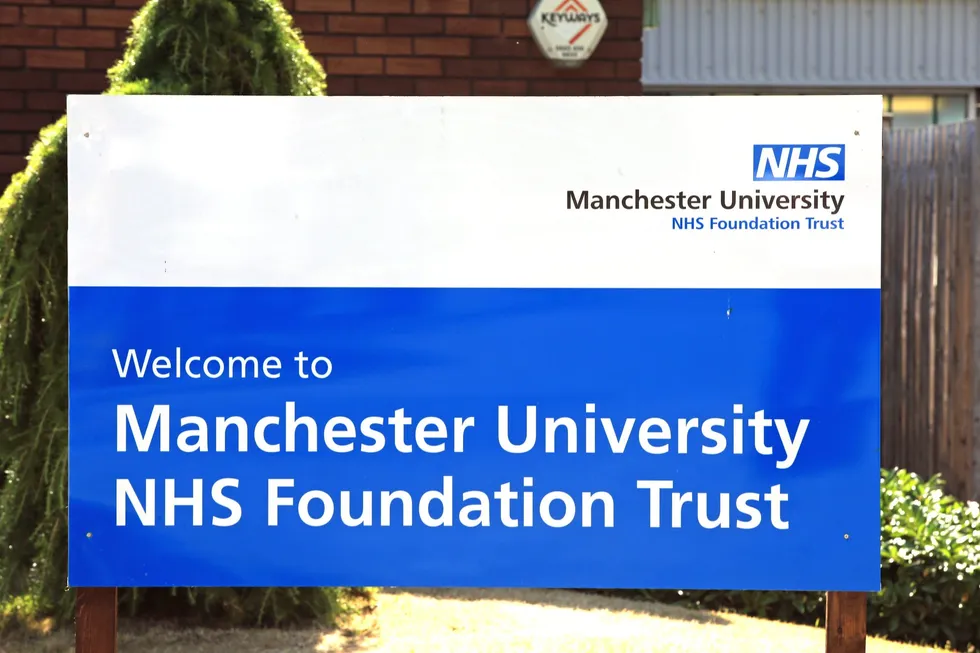
Manchester University NHS Foundation Trust has advertised what it called an ‘exciting new job opportunity’ for a cousin-marriage nurse
|
PA
By comparison, the national average for unaffected children stands at around two per cent.
The guidance suggests health risks “should be balanced against the potential benefits… from this marriage practice”.
These, it claims, include “economic benefits” alongside “emotional and social connections” and “social capital”.
Critics have accused the NHS of ignoring an “indefensible cultural practice”.
Kellie-Jay Keen, who leads the Party of Women, has branded it “dangerous” and insists it is “not part of our culture”.
“The cost to the NHS and social care of this practice is enormous,” she told the Daily Mail. “Subjecting children to this risk unnecessarily is cruel.”
“The Government knows the harm, but it is unwilling to confront the cultural practices of certain communities for fear of being labelled ‘racist’ or ‘Islamophobic’,” she said.
“So instead of protecting children, it chooses silence and appeasement.”
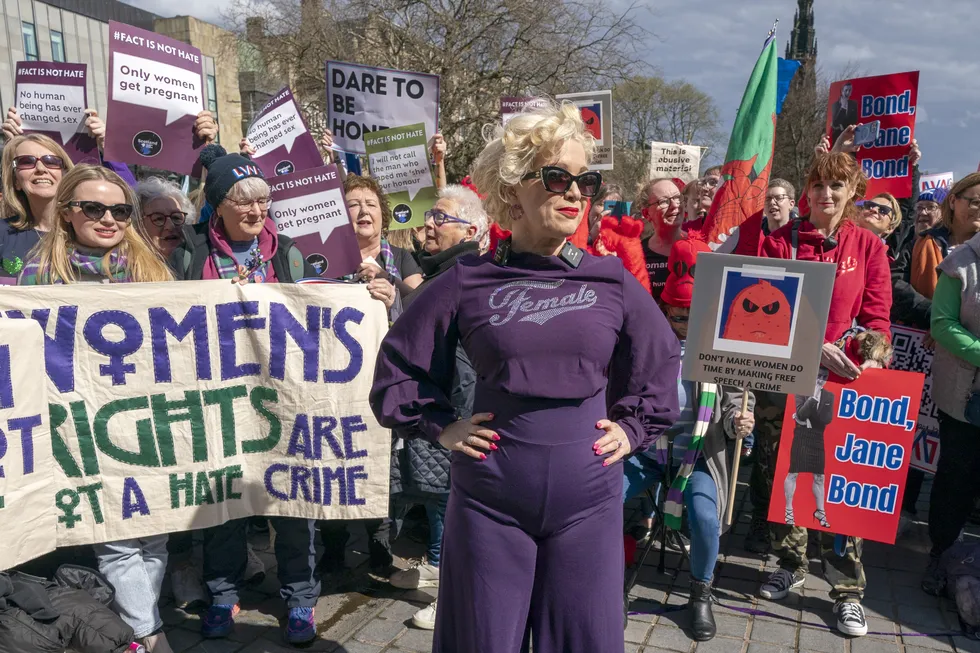
Kellie-Jay Keen (pictured) said the cost to the NHS and social care of this practice is ‘enormous’
|
PAShe called it “unconscionable to pander to any special group” when children face high risks of serious disabilities.
Aisha Ali-Khan, whose parents Mohammed and Barkat were first cousins, has spoken about her family’s devastating experience.
“Four of their seven children were born with severe disabilities,” she said. “Three have died – one of them my twin brother – and I am carer to my beloved older sister Tahira, who has a mental age of about eight. I also have a genetic medical condition.”
The practice of first-cousin marriage between white British cousins stands at about one per cent.
COUSIN MARRIAGE – READ MORE:
But a bombshell study revealed how in three inner-city Bradford wards, a staggering 46 per cent of mothers from the Pakistani community were married to their first or second cousin, according to Born in Bradford data published three years ago.
Born in Bradford is a research project conducted by Bradford Institute for Health Research, which found having blood-related parents could increase health risks through recessive disorders, such as sickle cell disease or cystic fibrosis.
The research followed 13,500 babies born between 2007 and 2011.
The study was in the headlines just days ago when it emerged an NHS trust in the city was also hiring a cousin-marriage nurse.
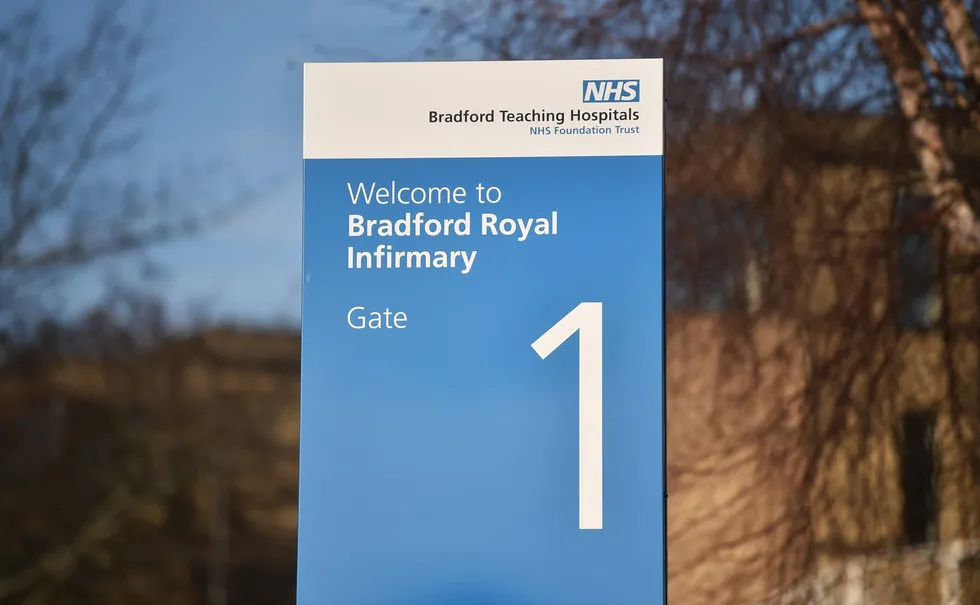
A Bradford NHS trust was also revealed to be recruiting a nurse dedicated to treating inter-family couples
|
GETTYAround the world, cousin marriage remains a prevalent practice in around 10 per cent of the population, including in the Middle East and North Africa.
But more than 80 per cent of people marry their cousins in parts of rural Pakistan.
The rate also remains significantly above the global average in Saudi Arabia, Afghanistan and Iran.