

Labour’s family farm tax must be scrapped entirely despite a higher threshold, the president of the National Farmers’ Union (NFU) has said.
Tom Bradshaw criticised the Government’s 20 per cent inheritance tax rate on agricultural assets worth more than £2.5million, describing the policy as “fundamentally flawed”.
Ministers announced in December the threshold would rise to £2.5million from the originally proposed £1million, allowing couples to pass on farming estates worth up to £5million without incurring a bill.
Despite the change, Mr Bradshaw said the policy would still penalise “more productive farming businesses”.
He warned farmers may be discouraged from investing in additional land or machinery if doing so pushed the value of their estate above the threshold and increased their tax liability.
The Treasury had estimated that the original £1million threshold would raise around £520million per year.
Following the revision, the policy is expected to raise as little as £200million annually.
The initial proposal, announced in the 2024 Budget, triggered widespread protests, with some farmers warning it had opened a “suicide window” for elderly business owners fearful of the financial impact on their families if they survived beyond April.

The NFU demands Labour scrap the family farm inheritance tax
|
GETTY
An NFU source said they did not believe Labour would make further changes to the policy.
Speaking at an NFU conference on February 24, Mr Bradshaw said: “Our lobbying and detailed policy work continues. I would like to take this opportunity to recognise the role of all opposition parties for their unwavering support in pushing to overturn the family farm tax.”
He added: “When the time comes again and when we have the political opportunity, we’ll be demanding that those public promises are turned into manifesto commitments to scrap the family farm tax.”
Richard Tice, deputy leader of Reform UK, said his party wanted to “overturn family farm tax along with business property relief (BPR) and all inheritance tax”.
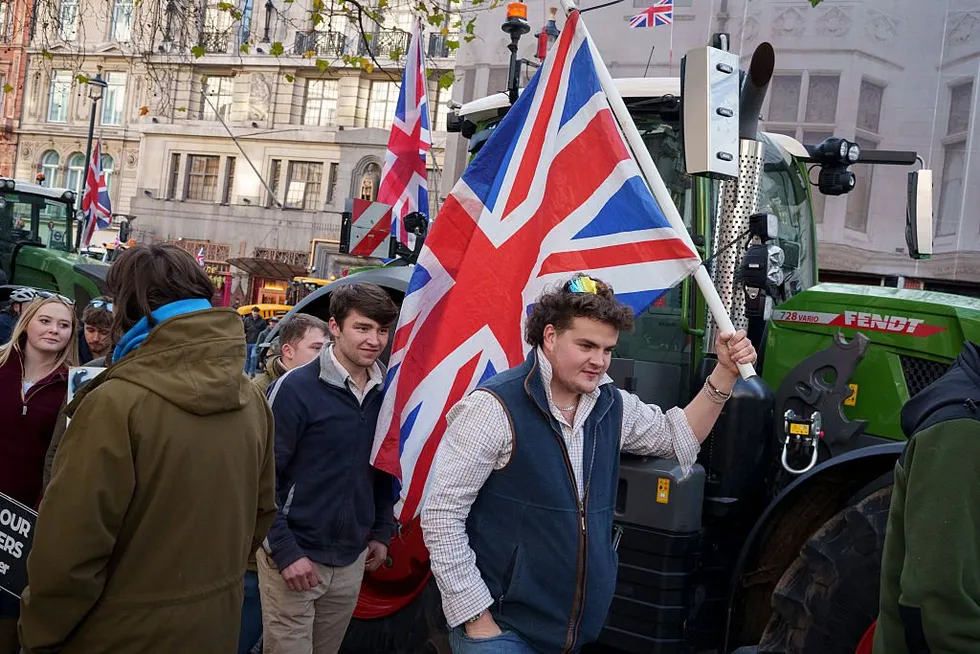
Farmers have warned many smaller operations will still face significant bills
|
GETTY
“The only issue is timing relative to the state of the nation’s finances,” he said. “We must cut spending first to show bond markets that we then have room to cut some taxes like this.”
Even with the higher threshold, many smaller operations will still face significant bills.
James Runciman, a cattle farmer in Norfolk and board member of NFU East, said: “We are still looking at £400,000 of inheritance tax on a small family farm.”
After accounting for land, machinery and crops, he said few farmers in East Anglia would fall below the revised threshold.
“Bigger farming businesses employ a lot of people, they farm a lot of our food and they are way over the threshold. They are getting crucified.”
Mr Runciman argued there were alternative approaches to taxing land ownership.
“If you want to tax land, by all means tax it when it’s sold,” he said. “Tax it if people want to cash in and swan off to the Bahamas, then yes, pay your tax.”
The inheritance tax changes come as ministers review farm profitability following concerns raised across the sector.
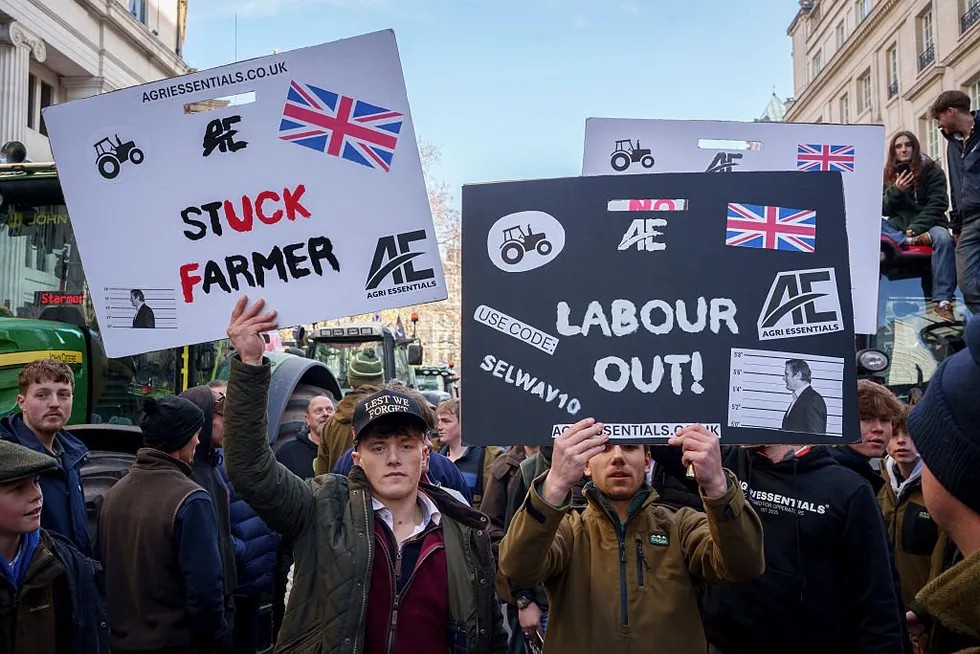
The Treasury had estimated that the original £1million threshold would raise around £520million per year
|
GETTY
A recent report examining the industry’s outlook stated: “Nearly all the responses to this review have cited inheritance tax as the single biggest issue regarding farming viability that they face. The farming sector is bewildered and frightened of what might lie ahead.”
A spokesman for the Department for Environment, Food and Rural Affairs said: “We’re backing British farmers as part of a new era of partnership to create a productive, profitable and sustainable future for farming.
“We’ve listened to farmers and business owners across the country and have made changes to inheritance tax relief to protect more family farms.
“This is alongside delivering the largest nature-friendly farming budget in history, protecting farmers in trade deals and making supply chains fairer to help secure the farming sector’s future.”






 has said.Tom B)