

Labour has launched its own tariff raid to protect Britain’s steel industry, but insists its own heightened import tax regime is “not very Donald Trump” after criticism of the US President’s own levies.
The UK Government has unveiled a comprehensive steel strategy designed to raise domestic production from its current 30 per cent share of national demand to 50 per cent.
Starting in July, tariff-free quotas on imported steel will be slashed by 60 per cent compared with existing arrangements. Import duties on steel exceeding these new quota levels will double from 25 per cent to 50 per cent.
The measures are intended to safeguard the British steel industry against worldwide oversupply while protecting thousands of jobs across the sector.
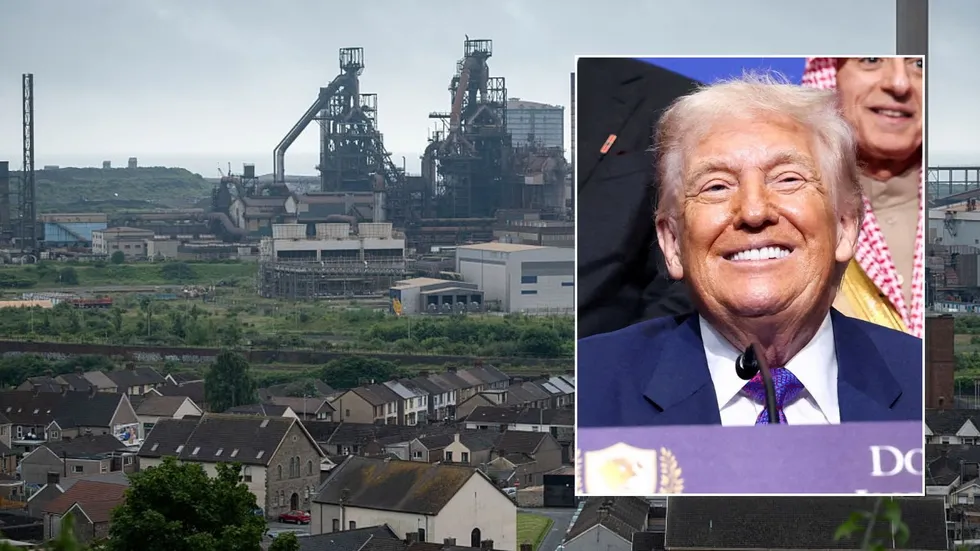
The Government has denied launching ‘Donald Trump-style’ tariffs as UK steel import taxes to double
|
GETTY / REUTERS
Business and Trade Secretary Peter Kyle announced the strategy during a visit to Tata Steel’s Port Talbot facility in South Wales.
Trade Minister Sir Chris Bryant dismissed suggestions that the new measures echo the protectionist approach of the Trump administration: “It’s not very Donald Trump. It’s very, very specific.”
The minister stressed his commitment to open commerce while insisting on equitable conditions for British producers.
He said: “Look, I believe I’m passionate about free trade, but it has to be fair trade. And if you’ve got artificially low prices, completely pricing us out of the market, pricing British steel out of the market, that is a problem for us, because we need to have a sovereign capacity of steel in the UK.”
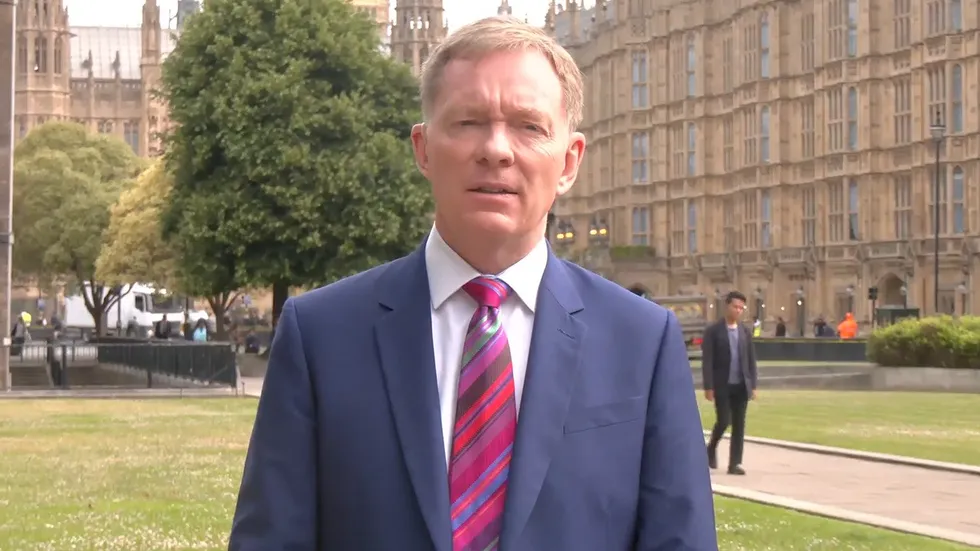 Chris Bryant claimed he would prefer hotels to be ‘full of tourists’, not asylum seekers | GB News
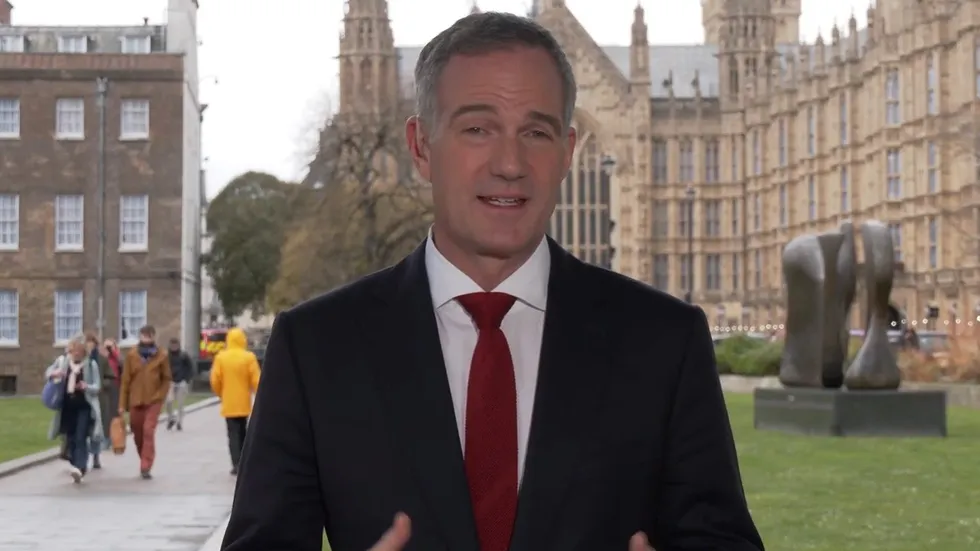 Business Secretary Peter Kyle | GB News
Mr Kyle cautioned that without intervention, Britain’s steelmaking capacity faces “real jeopardy”, leaving the nation dependent on foreign suppliers for materials crucial to energy security, defence, and transport infrastructure.
The Business Secretary noted described steelmaking as central to the Government’s modern industrial policy, which deliberately channels support toward key industries and strategically significant sectors.
He said: “Making steel in the UK is vital for national security, critical infrastructure and the wider economy. With this strategy we are closing the decades-long chapter of destructive deindustrialisation and committing instead to strengthening and sustaining Britain as a steel-making nation.”
The strategy endorses electric arc furnaces as the future of British steelmaking, marking a continued transition from traditional blast furnaces to cleaner production methods using recycled scrap metal to meet net zero targets.
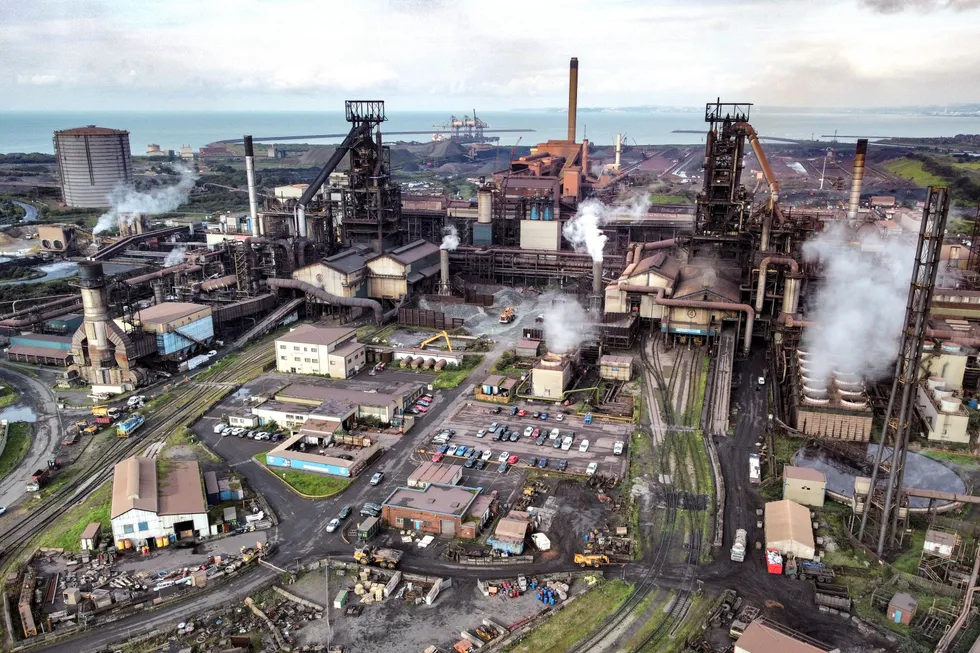 The Tata Steel factory in Port Talbot | PA
Gareth Stace, director general of UK Steel, said: “This is a significant moment, and Government ministers deserve recognition for their leadership today.” He praised ministers for shifting Westminster’s culture away from prioritising free trade ideology at any cost toward defending critical industries and national security.
Community union general secretary Roy Rickhuss described the strategy as the culmination of decisive government action since 2024, including interventions at British Steel and SSUK.
Welsh Secretary Jo Stevens emphasised that Welsh steel is expected to comprise half of future UK production, calling it vital to both the South Wales economy and national security.
Andy Mayer, energy analyst at the Institute of Economic Affairs (IEA), said: “Putting a 50 per cent tariff on imported steel will not make British steel cheaper. But will make all steel, used by British industry, most of which will still need to be imported, immediately more expensive.
“It will protect some UK plants from competition and save a handful of steel jobs. But at the expense of jobs elsewhere, as trade partners retaliate, higher prices undermine wider competitiveness, kill British exports, and add to the cost-of-living crisis. We will all get poorer for years to come because Ministers don’t like bad headlines today.”