

Labour “hasn’t gone far enough” with the watering down of its family farm inheritance tax (IHT) policy as calls grow for the threshold to be pushed even higher, or scrapped altogether.
The U-turn followed sustained protests from the farming community and growing concern among Labour backbenchers about the impact of the policy on rural constituencies, as Environment Secretary Emma Reynolds said she “listened closely to farmers”.
Agricultural groups warn the move only “limits the damage” felt by the sector.
Gavin Lane, president of the Country Land and Business Association, admitted ministers deserved credit for revisiting the policy, but said the U-turn would not eradicate inheritance tax fears entirely.
He warned that many family-run farms own land and machinery that could still exceed the revised threshold despite operating on narrow margins.
Ministers confirmed the change after originally outlining plans in last year’s Budget to introduce a 20 per cent levy on inherited agricultural assets above £1million from April 2026.
The proposal would have ended full Agricultural Property Relief (APR), which had been in place since the 1980s.
The revised threshold means fewer family farms will be liable to pay inheritance tax when land and assets are passed on.
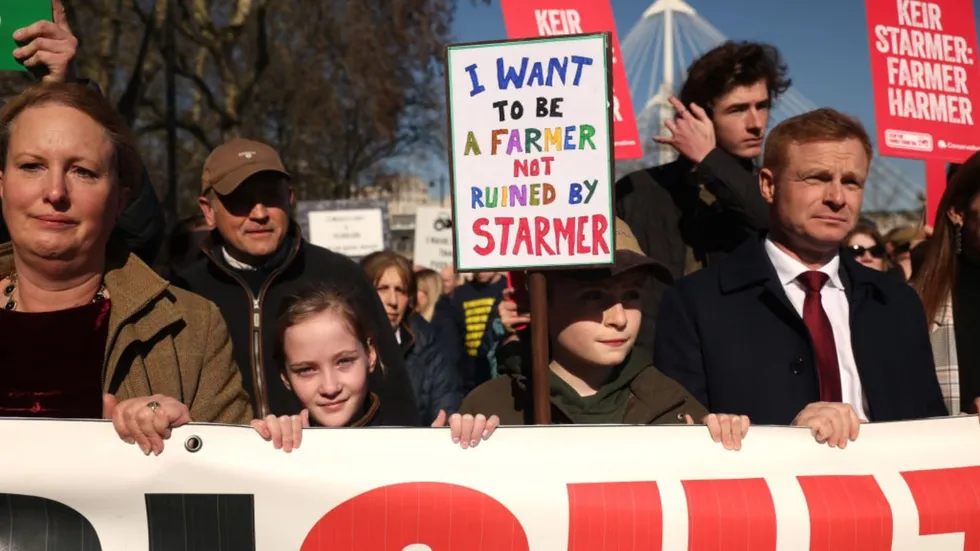
Calls grow for the threshold to be pushed even higher, or scrapped altogether
|
GETTY
Shadow environment secretary Victoria Atkins joined calls for the Government’s concession to go further, writing on X: “Businesses and lives have been lost.
“Rural communities will not forget the distress, pain and panic this Government has caused them.”
Reform UK leader Nigel Farage also welcomed the change, saying the Government had been forced to act due to opposition within its own party, whilst acknowledging calls for the Prime Minister to go further.
He said: “This is a welcome Christmas gift for our embattled rural communities.
“Sure, some will argue it needs to be even higher, but it is a massive step in the right direction for small family farms right across the country.”
Mr Farage previously described the original policy as “an abomination”, and said it had caused distress among farming families.
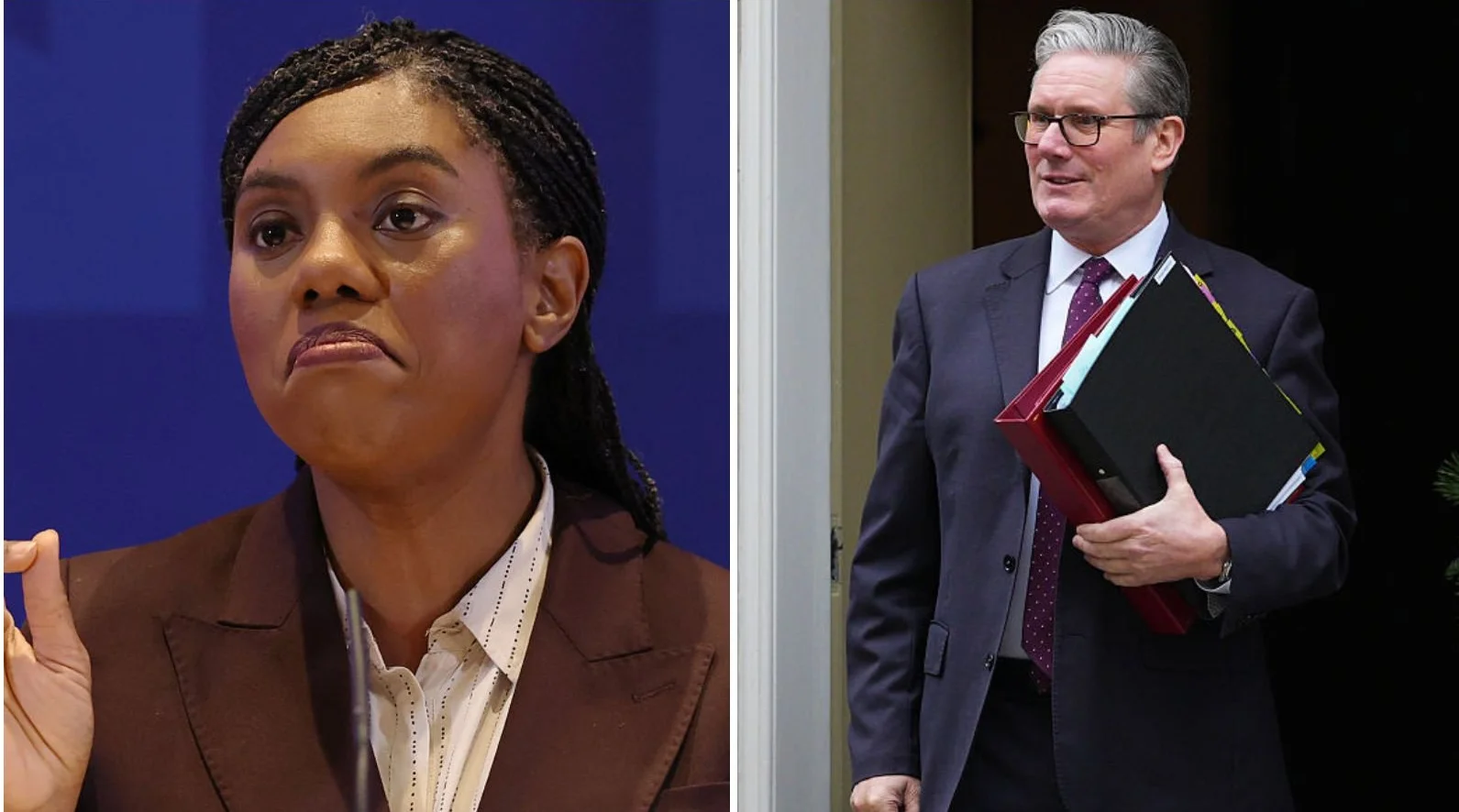
Kemi Badenoch said Labour are still targeting farmers, and that the fight isn’t over
|
GETTY
Conservative leader Kemi Badenoch said the reversal represented a success for her party’s opposition to the policy.
“This is a huge U-turn by the Government and a big win for the Conservative Party’s campaign against Labour’s family farm tax”.
She described the original proposal as “cruel” and “immoral”, arguing it would not have raised revenue because farmers would leave the industry.
Ms Badenoch added: “This fight isn’t finished. Other family businesses are still affected by Labour’s tax raid”.
Head of policy at the Countryside Alliance, Mo Metcalf-Fisher, said the amendment followed months of disruption, and that it was “clear the Government realised that the growing perception that it is at war with the countryside is toxic”.
Farmer Jonathan Charlesworth said the decision would bring relief to many farmers, but it came too late for some families.
His father committed suicide the day before last October’s Budget after becoming anxious about the proposed changes.
He found his father in a barn on the family’s farm in Barnsley.
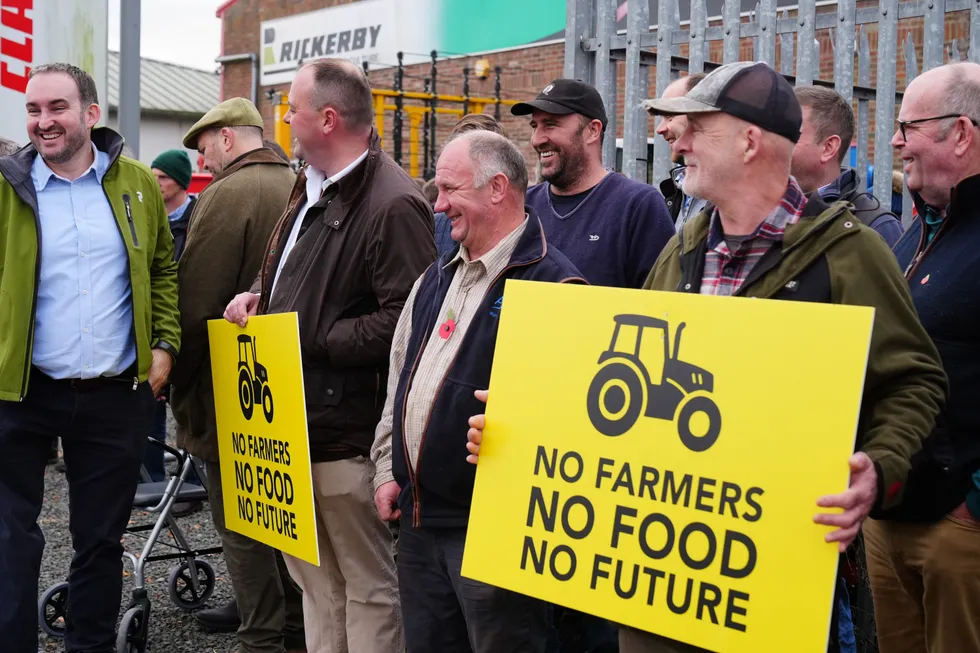
Farmers have been protesting the Chancellor’s policy for over a year
|
PAHe said: “It’s a welcome U-turn that won’t bring back the lives lost over the last year or so due to the anxiety caused, but will hopefully prevent a flood of suicides running up to the commencement in April”.
Reform UK deputy leader Richard Tice said the Government’s decision did not address the anxiety experienced by farmers over the past year.
Mr Tice described the change as “cynical”, and said it failed to account for the impact of prolonged uncertainty.
Under the revised policy, married couples and civil partners can pass on up to £5million in qualifying agricultural assets before inheritance tax applies.
Assets above that level will continue to qualify for 50 per cent relief under the new arrangements.
Anyone who is in emotional distress, struggling to cope or at risk of suicide can call the Samaritans anonymously for free from a UK phone on 116 123 or go to samaritans.org.






 policy as calls grow for the threshold to be pushed)