

Inflation targets have been pushed back as the ongoing US-Iran war poses “significant risks” for the UK economy and interest rate cuts, the Office for Budget Responsibility (OBR) has determined.
Analysts had previously priced in a base rate cut from the central bank’s Monetary Policy Committee (MPC) later this month due to easing inflationary concerns, however, the conflict in the Middle East is revising these forecasts.
In its post-Spring Statement report, the OBR warned that its latest projection for the economy “lies in the middle of a wide range of possible outcomes”, with “significant risks around it”.
The fiscal watchdog stated: “Conflict in the Middle East, which escalated as we were finalising this document, could have very significant impacts on the global and UK economies.”
Britain’s two leading economic forecasters have set out sharply different timelines for when inflation will return to the two per cent target, casting uncertainty over the outlook as Rachel Reeves delivered her spring statement to Parliament.
The Bank of England maintains that inflation will fall back to two per cent by spring this year, citing the introduction of Ofgem’s new energy price cap and cost-reducing measures from the 2025 Budget due to take effect in April.
In contrast, the OBR expects inflation to reach the two per cent target only in late 2026. The organisation forecasts inflation declining from 3.4 per cent in 2025 to 2.3 per cent this year before reaching target the following year.
Official data for January showed inflation at three per cent, down from 3.4 per cent in December. The OBR’s projections were finalised before the outbreak of the United States-Israeli conflict with Iran, which has since driven renewed volatility in global energy markets.
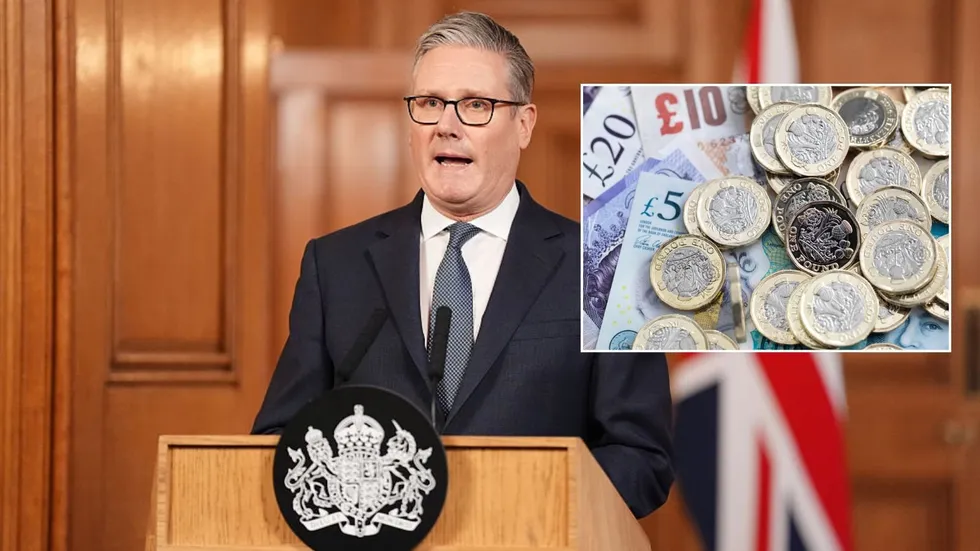
Forecasters diverge on price outlook as Brent crude climbs seven per cent to $83.20
|
GETTY
Ms Reeves addressed MPs against a backdrop of rising oil prices as tensions in the Middle East intensified. Brent crude rose by a further seven per cent on Tuesday to reach $83.20 per barrel as investors reacted to the escalating regional instability.
The Chancellor confirmed she remains in close contact with Andrew Bailey, Governor of the Bank of England, as policymakers monitor developments.
She also announced plans to meet representatives from the North Sea energy industry on Wednesday. Analysts have warned that sustained increases in oil and gas prices are likely to feed through to higher petrol prices and household energy bills if they persist.
Financial markets have begun reducing expectations for additional interest rate cuts, reflecting concerns that elevated energy costs could complicate the Bank’s efforts to bring inflation back to target.
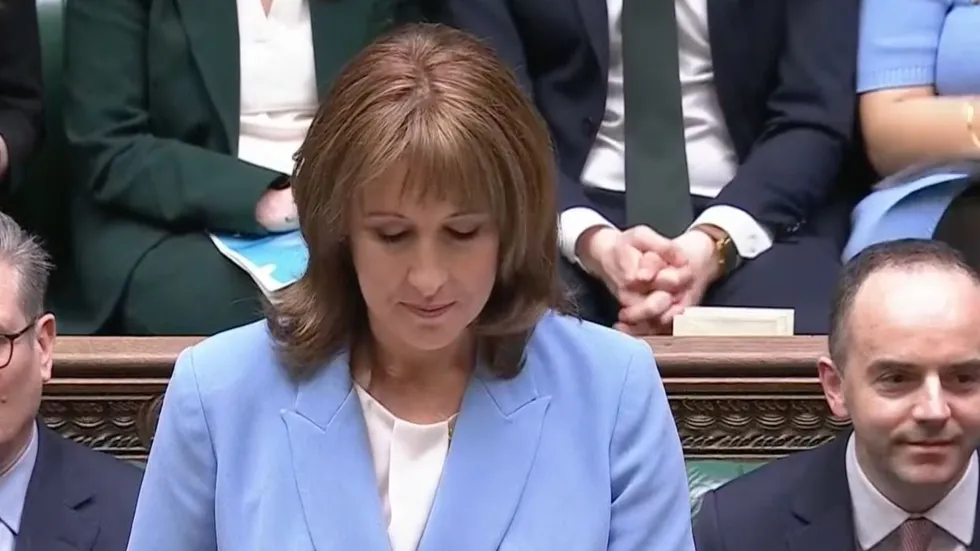
The OBR downgraded growth for 2026, Ms Reeves announced
|
GB News
The Bank’s Monetary Policy Committee (MPC) is scheduled to announce its next interest rate decision on March 19.
The OBR has downgraded its economic growth forecast for 2026 to 1.1 per cent, down from the 1.4 per cent projected at the November Budget.
The revision followed weaker than expected economic data in the final quarter of 2025.
Growth is forecast to strengthen in subsequent years, with output expected to expand by 1.6 per cent in both 2027 and 2028.
Unemployment is projected to rise to 5.3 per cent this year, compared with a previous estimate of 4.9 per cent. The jobless rate is currently close to a five-year high.
The OBR said rising unemployment largely reflects new entrants to the labour market struggling to secure roles amid subdued hiring demand from employers.
Ms Reeves said unemployment is forecast to fall to 4.1 per cent by the end of the forecast period, which would be lower than when Labour entered Government.
Lower than anticipated net migration has also weighed on the near-term growth outlook, contributing to the revised projections.
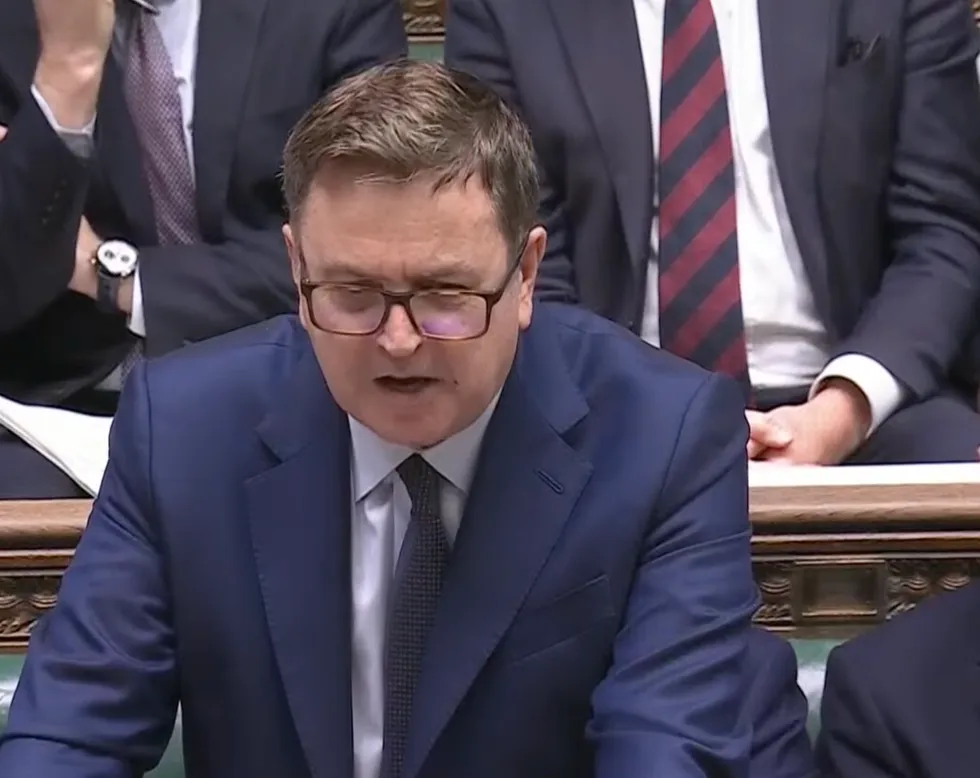
Mel Stride criticised the Chancellor
|
GB News
Mel Stride criticised the Chancellor’s response, accusing her of “utter complacency” in the face of mounting economic pressures.
“She is rather like the dodgy estate agent standing in the crumbling building with a roof gone, the windows gone, with the floor gone and saying ‘just think of the potential’.”
Ms Reeves defended the Government’s record, stating that it had “restored economic stability” with inflation falling, borrowing reduced, living standards rising and the economy expanding.
Her fiscal headroom has increased to £23.6billion from £21.7billion at the November Budget, reflecting lower borrowing costs.
The Chancellor highlighted measures including shifting green levies into general taxation and freezing bus fares and prescription charges as part of the Government’s response to global economic uncertainty.