

Britain’s self-employed workforce is facing a major tax shake-up within weeks, but most appear unprepared for the changes.
With Making Tax Digital for Income Tax launching next month, new figures suggest only five per cent of freelancers who need to comply have registered, raising concerns over widespread disruption.
Millions of the UK’s four million freelancers remain unprepared for the April 2026 launch, with new data highlighting alarmingly low uptake.
According to Malt, the European freelance management platform, just 5 per cent of those required to comply have registered for the new system, prompting warnings of widespread disruption.
HMRC’s digital tax overhaul arrives amid growing evidence that both awareness and early adoption sit at worryingly low levels, raising the prospect of widespread disruption when the new rules come into force.
From next month, freelancers and sole traders with annual earnings exceeding £50,000 must maintain digital records and file quarterly tax updates through approved software.
This replaces the existing annual self-assessment return that self-employed workers currently submit.
The scheme will expand in April 2027, when the income threshold is lowered to £30,000, meaning many more self-employed workers will be brought into the system.

HMRC warning as millions of Britons earning over £50,000 face tax shock next month
|
GETTYAround 780,000 freelancers will have to comply when it launches, with nearly another one million expected to join the following year as the rules widen.
The Government says the changes are designed to move tax reporting fully online and reduce unpaid tax, but for the self-employed it marks a major shift in how they manage their finances.
Vincent Huguet, CEO and Co-Founder of Malt said: “Making Tax Digital represents the biggest change to freelance taxation in a generation, yet many freelancers remain unaware of the looming deadline.
“According to some reports, only five per cent [of those required to do so] have registered. Without better preparation, there is a real risk that thousands could be caught off guard when the rules change.”
Mr Huguet emphasised that the shift demands careful management despite the potential benefits of digital tools.
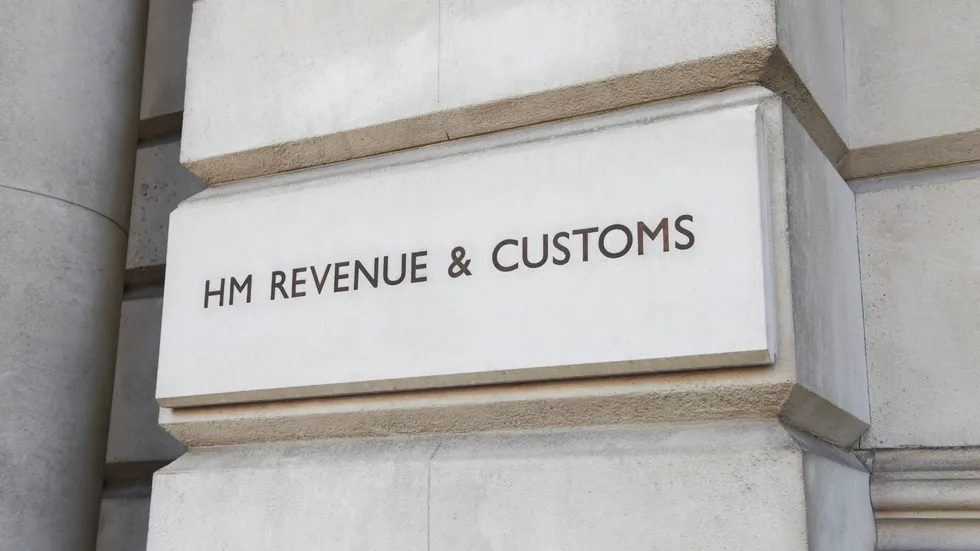
The administrative demands on freelancers will intensify dramatically under the new regime
|
GETTY“Freelancers already manage multiple clients, projects and income streams. Moving from one annual tax return to quarterly reporting fundamentally changes how they run their business,” he added.
“The priority now must be making sure the self-employed have the information, tools and support they need to adapt.”
The administrative demands on freelancers will intensify dramatically under the new regime, with reporting touchpoints increasing five-fold compared to the current system.

HMRC has established voluntary pilot programmes for early preparation
|
GETTYRather than submitting a single annual return, self-employed workers must now file at least four quarterly updates plus a final declaration each year.
Financial experts have raised concerns about a potentially chaotic transition, noting that many freelancers juggling multiple clients and irregular income streams remain either unaware of the requirements or unprepared to meet them.
The mandatory use of third-party accounting software introduces additional compliance costs, with estimates suggesting freelancers could face expenses running to hundreds of pounds annually.
HMRC has established voluntary pilot programmes for early preparation, though Mr Huguet noted that participation remains limited and eligibility restrictions prevent many freelancers from testing the system in advance.