
Boxing Day sales figures signal “a very positive” boon for the UK economy, according to the latest data on consumer behaviour for the bank holiday.
Retail parks across the United Kingdom recorded a strong Boxing Day performance, with visitor numbers climbing 6.9 per cent compared to the same day in 2024, according to data from MRI Software.
The figures, collected by 1pm on Friday through cameras monitoring more than 660 retail locations nationwide, marked what analysts described as an encouraging end to a challenging year for the sector.
Traditional shopping destinations fared less well, however. High street footfall dropped by 2.4 per cent, while shopping centres experienced a 2.6 per cent decline during the early afternoon hours.

Boxing Day data suggests Britons are flocking to shop
|
GETTY
Jenni Matthews, retail analyst at MRI Software, said: “It’s a really positive start to Boxing Day, which we’ve not seen for a number of years.”
She added this represented “a really, really strong close to the year”. The success of retail parks appears linked to their ability to offer more than just shopping.
Analysts suggested these destinations benefit from combining hospitality and leisure facilities alongside traditional stores, encouraging visitors to dine or participate in activities during their trip.
Boxing Day has increasingly become an all-day affair rather than a quick trip to grab bargains, according to Westfield representatives.
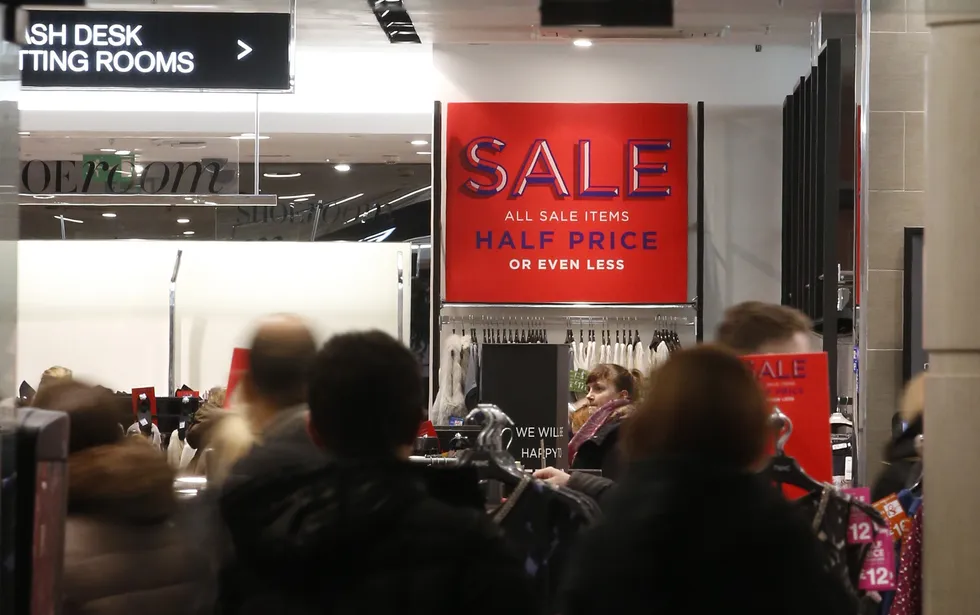 Shoppers in a Next store in Liverpool city centre as the Boxing Day sales get underway | PA
Katie Wyle, managing director of customer and retail operations for Unibail-Rodamco-Westfield in northern Europe, said: “Visitors spent the day moving between shopping, dining and leisure, enjoying longer stays in our centres.”
She noted that early indicators pointed to solid trading across beauty, wellness, home and luxury categories at Westfield London and Westfield Stratford City.
“People increasingly see it as a full-day occasion, combining retail, dining and leisure rather than focusing on a single transaction,” Ms Wyle added.
The pandemic fundamentally altered Boxing Day shopping habits, according to industry observers. Before Covid struck, retailers rarely closed their doors on December 26, with some chains such as Next famously welcoming customers as early as 4am or 5am.
Ms Matthews told PA: “I think since Covid there is more of a focus on thanking the retail staff as well that have been so busy over the Christmas period, having that extra day off.”
She observed that greater emphasis on family time has also reshaped consumer behaviour compared to pre-pandemic years. Regional variations emerged in the data, with coastal towns recording a 10 perc cent increase in footfall whilst central London locations saw visitor numbers fall by nearly eight per cent.
This could reflect more families travelling for the festive period or seaside destinations hosting special events to attract shoppers.
Despite the positive footfall figures, shoppers demonstrated a more cautious approach to spending. A Barclays survey found fewer consumers planned to participate in the sales compared to last year, citing cost-conscious motivations.

Households are looking for the best Boxing Day deals
|
GETTYJaimini, a 45-year-old from Harrow who visits Oxford Street every Boxing Day with her daughter, said: “This is probably the lowest that we’ve spent in god knows how many years.”
She explained they were being more selective rather than purchasing items simply because they were discounted.
Donnel, 25, a primary school worker from south-west London, emphasised the importance of financial planning: “You got to be spending wisely.”
Broader festive spending remained robust, however. Visa data covering 1 November to 23 December showed UK retail expenditure rose 3.6% year-on-year across all payment methods.