
Culture Secretary Lisa Nandy has announced the BBC’s decade-long Charter renewal process will be abolished, confirming the next Charter will be permanent.
Speaking at the Society of Editors conference in London on March 17, Ms Nandy described the current system as “bizarre” and said it fails to address long-term questions about the broadcaster’s future.
“For far too long we have ducked the big questions around the future of the BBC, whether it comes to the length of the Charter or to how you sustainably fund the BBC.”
She added: “We can’t continue to duck those big and essential questions and so this Charter will be the last of its kind.”
Under the existing system, the BBC’s Royal Charter must be renegotiated with the Government in power at the time of expiry, with the current agreement due to end next year.
The Culture Secretary compared the broadcaster to the NHS, arguing both institutions require long-term stability.
Ms Nandy said: “We believe that while you would never accept a situation in which the NHS was under threat of no longer existing every decade, we should not accept that for the BBC either.”
She added: “If the NHS is essential to the health of our people the BBC is essential to the health of our democracy.”
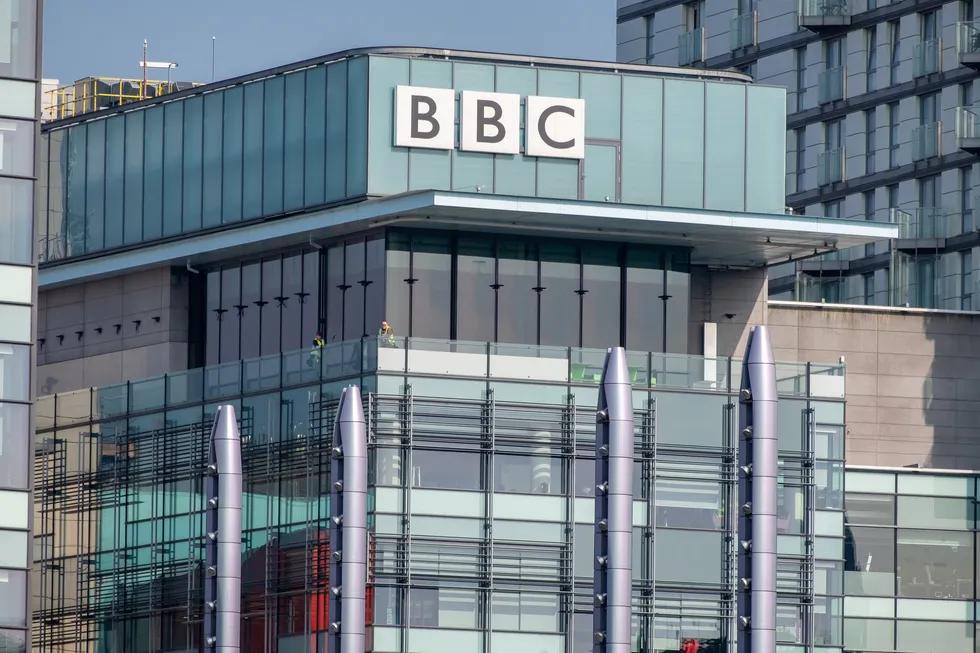
Under the existing system, the BBC’s Royal Charter must be renegotiated with the Government in power at the time of expiry
|
GETTY
Ms Nandy said the Government would act to secure the broadcaster’s future during what she described as a period of heightened political tension.
She said: “We will act to future-proof this vital institution in these stormy times when public debate feels more toxic and polarised than ever and too often the BBC becomes a lightning rod for the ongoing, exhausting culture wars.”
The move is seen as a significant development for the BBC ahead of the current Charter’s expiry.
BBC director-general Tim Davie has previously warned that the renewal cycle risks turning the corporation into a “political football”.
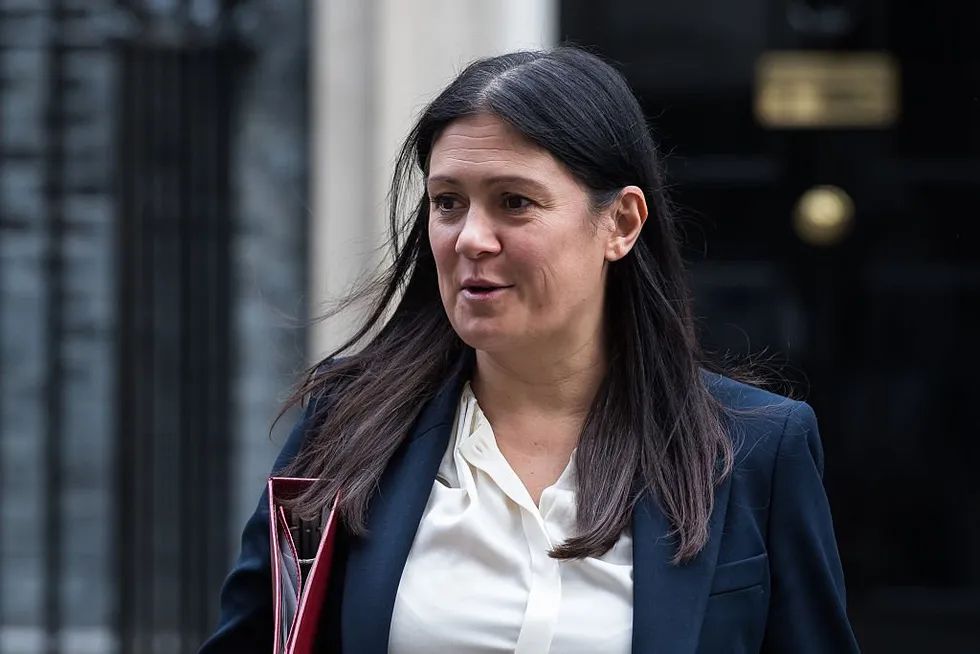
A permanent Charter was among proposals submitted by the BBC to ministers during a recent consultation
|
GETTY
The announcement comes amid political debate over the broadcaster’s long-term funding.
Reform UK leader Nigel Farage has said he would seek to remove the licence fee funding model entirely.
Discussions are ongoing within Government over alternative funding options, including advertising or subscription-based models.
The BBC has acknowledged reform of the licence fee is required but has opposed both advertising and subscription-based approaches.
It has instead suggested a broader funding mechanism that would see more households contribute smaller amounts
|
GETTY
Ms Nandy has previously rejected the idea of replacing the licence fee with a general tax.
The broadcaster’s finances have come under pressure in recent years.
Licence fee income has fallen by nearly £1.2billion in real terms since 2016, representing a drop of almost a quarter.
The annual licence fee will rise to £180 from next month.
Labour has said it will introduce greater transparency measures to give licence fee payers clearer oversight of how funds are spent.