
Lloyds Banking Group is set to close its invoice factoring service before the end of 2025, according to sources close to the discussions.
The move represents another withdrawal by a major British lender from providing specialist finance to small and medium-sized enterprises (SME).
Lloyds, the UK’s largest high street bank, currently offers invoice factoring to small businesses seeking to manage cash flow.
Under the arrangement, the bank purchases unpaid invoices from firms and then collects payment directly from their customers.
Two individuals with knowledge of the verdict said the service will be discontinued later this year.
Lloyds has declined to comment on the decision when approached by the Financial Times.
The closure leaves Lloyds aligned with the rest of the big four banks, all of which have now stepped back from SME invoice factoring.
The decision comes at a difficult time for small businesses, many of which are facing rising costs and pressure on margins.
Companies across the UK have seen expenses increase following recent minimum wage rises and higher taxes introduced in successive budgets by Chancellor Rachel Reeves.
Invoice factoring has long been used by smaller firms as a way to access working capital while waiting for customers to settle invoices.
The service is particularly important for businesses affected by late payments.
Craig Beaumont, executive director at the Federation of Small Businesses, said banks should be taking a more supportive approach.
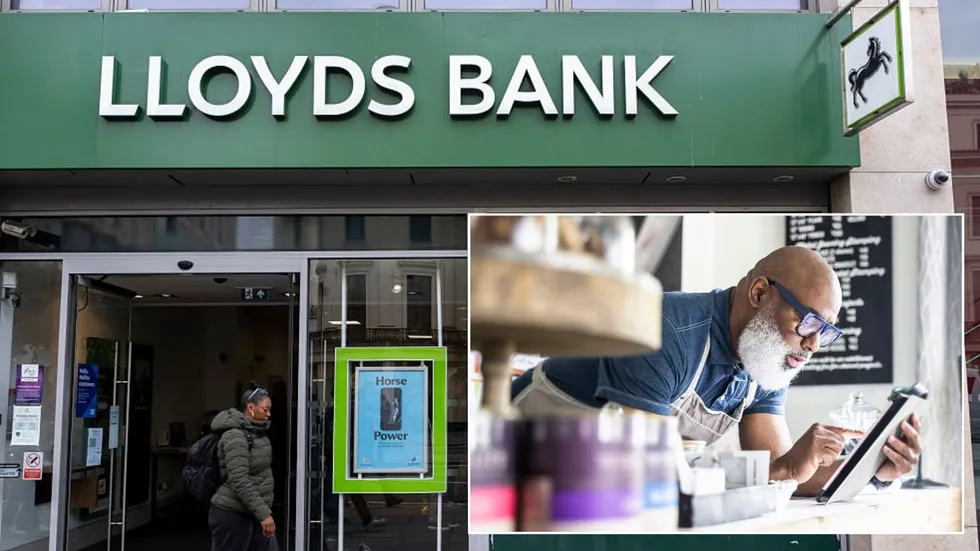
Lloyds Banking Group will shut its invoice‑factoring service by late 2025 in another retreat from specialist SME finance
|
GETTY
He said: “As cost pressures rise across employment, business rates and energy and as interest rates fall, banks should take a more generous position to help small business owners access working capital.
“Many small businesses depend on invoice financing arrangements due to ongoing issues with late payments from customers.”
For many small businesses, the tool was used to stabilise cash flow without taking on traditional loans.
Banks initially expanded into the factoring market in an effort to attract SME customers.

Rachel Reeves has been accused of ‘hammering’ Britain’s small businesses
|
GETTYIndustry sources say lenders expected to cross-sell other products to those firms over time, however, the strategy has delivered limited returns.
SME clients tend to generate lower profits, and the anticipated additional business has often failed to materialise.
NatWest and Barclays both closed their invoice factoring operations several years ago.
NatWest’s unit reportedly had fewer than 1,000 customers when it shut down in 2021.
HSBC continues to offer invoice factoring, but has tightened its eligibility criteria, restricting access to businesses with annual turnover above £1million.
Nathaniel Southworth, managing director of North Yorkshire-based toy distributor KAP Toys, said those changes have been felt by smaller firms.
He has personally used factoring facilities from several high street banks over the years; but increasingly strict requirements have excluded businesses like his own.

Small business owners use invoice‑factoring to protect their working capital while waiting for customers to settle invoices
|
GETTY“The mindset of traditional banks is that they would like a company’s finances to be nice, uniform and easily predictable.”
He added: “I would love that to be the case as well, but the reality of business is it’s quite rarely like that and sometimes smaller businesses can feel shut out.”
A source close to Lloyds said the invoice factoring division was relatively small, with fewer than one per cent of the bank’s SME customers currently using factoring products.
Lloyds reportedly plans to offer alternative services to customers affected by the closure, and is expected to continue expanding other areas of SME lending despite withdrawing from invoice factoring.