
A disputed housing scheme in the Norfolk hamlet of Brinton has received approval from North Norfolk District Council despite fierce opposition from local residents and parish councillors.
The project involves demolishing a derelict cottage on Sharrington Road to construct a three-bedroom replacement dwelling.
Central to the controversy is the property’s distinctive “flint stair turret,” which critics have likened to fortifications from centuries past.
Neighbour Keith Parks condemned the proposal at a recent council meeting, describing it as a “medieval fortress” and calling on planning officials to reject it.
Local opponents had warned the structure would be glaringly incongruous with its rural surroundings.
Brinton & Sharrington Parish Council lodged formal objections to the scheme, arguing that both the scale and appearance of the proposed building were “alien” to the surrounding area.
The parish body expressed particular concern about the development’s proximity to Brook House, a Grade II listed property nearby.
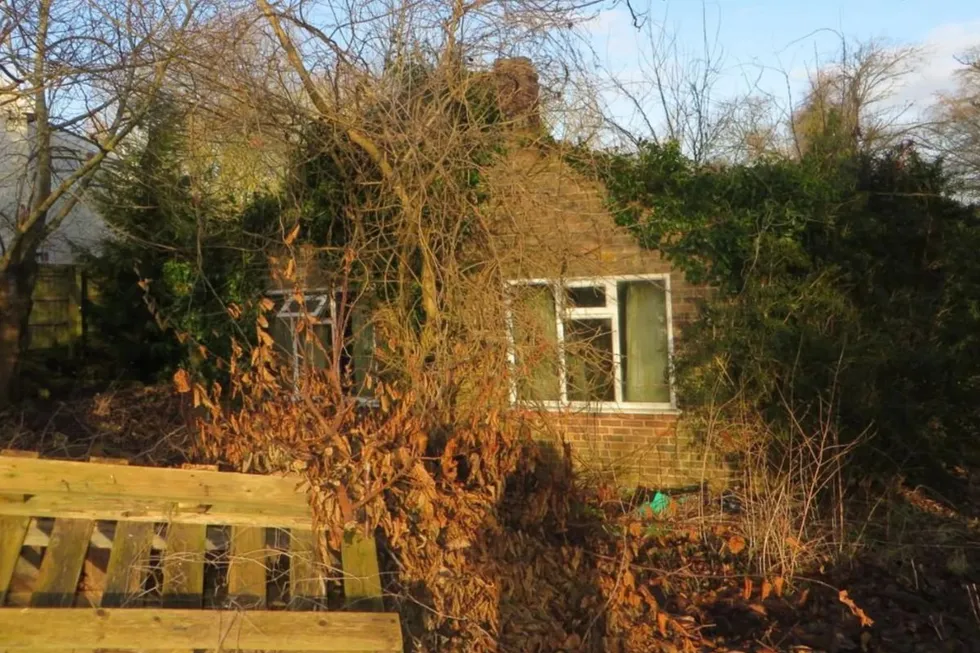
The parish body expressed particular concern about the development’s proximity to Brook House, a Grade II listed property nearby
|
NORTH NORFOLK COUNCIL
Councillors maintained the new dwelling would be entirely incompatible with the character of this protected heritage building.
Residents who attempted to halt the project described the design as resembling castle ramparts, transforming what had been a tranquil rural plot into something evocative of the Middle Ages.
Their efforts to block the application ultimately proved unsuccessful.
Beyond aesthetic objections, residents voiced serious concerns about potential flooding in the area.
Local councillor and cabinet member for planning Andrew Brown highlighted that Brinton occupies the lowest point of the village.
The geographical position prompted fears that alterations to the land could expose neighbouring properties to water damage.
The fate of established trees on the site also troubled locals, with a mulberry and walnut tree among the mature specimens residents worried would be removed.
Opponents argued that losing these trees would further erode the distinctive character of the hamlet, compounding the visual impact of the proposed fortress-style dwelling.
Architect Anthony Hudson defended the proposal against its detractors, maintaining that the design draws upon “local traditions of building form and materials.”
He told councillors the property owners were committed to transforming what he characterised as an unkempt and neglected plot.
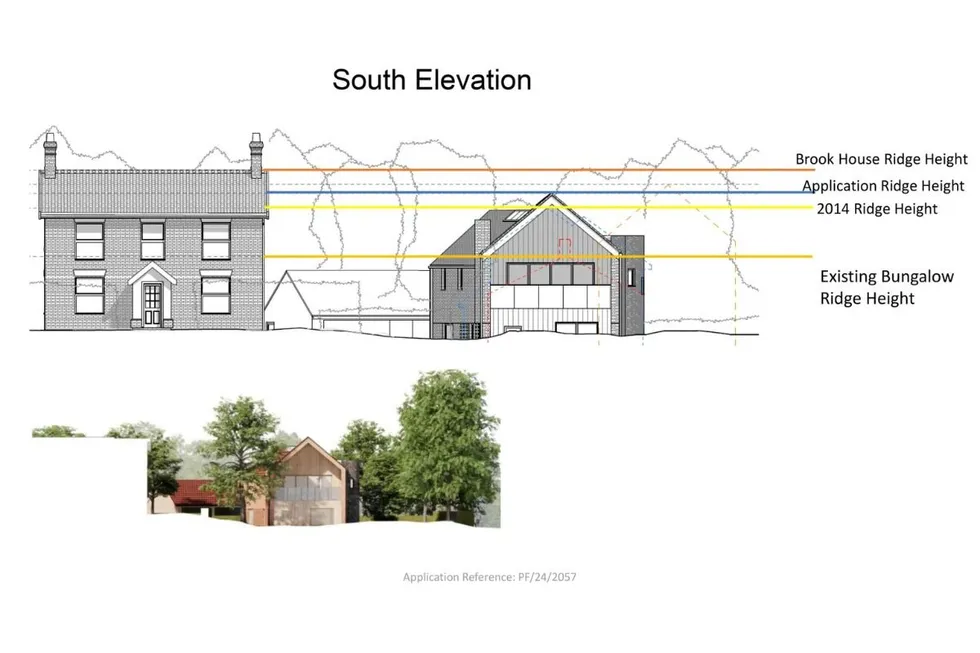
An image of the plan put forward to North Norfolk Council
|
NORTH NORFOLK COUNCIL
“They now want to sort out this ruin,” Mr Hudson explained, noting that significant sums had already been spent removing “ugly and dilapidated” structures from the northern portion of the site.
The development committee ultimately voted in favour of the applicants, granting permission subject to various conditions.
These include stringent drainage requirements designed to mitigate flood risks, though frustrated residents maintain the scheme should never have been permitted.

