
A drink driver has been banned after being caught behind the wheel with completely detached tyres while nearly twice the legal alcohol limit.
The driver appeared at King’s Lynn Magistrates’ Court this week, where he admitted drink driving and using a vehicle in a dangerous condition.
Norfolk Constabulary explained how the driver gave a breath reading of 63 micrograms of alcohol in 100 millilitres of breath, while the legal limit is 35 micrograms.
He was subsequently disqualified from driving for 20 months. He was also ordered to pay £532 in fines and costs, along with a £169 victim surcharge.
The case occurred in the early hours of February 20, on the A10 at Setchey. Officers said they were alerted by a member of the public who reported concerns about “the manner of driving“ of a BMW 3 Series.
When police located the vehicle, they discovered it was shocking with both the front and rear tyres on the nearside having “completely detached”, with the car being driven on its wheel rims.
Despite the obvious danger, the driver reportedly continued driving the unsafe vehicle until officers eventually stopped him.
At present, the legal limit of alcohol is 35 micrograms of alcohol per 100 millilitres of breath in England, Northern Ireland and Wales.
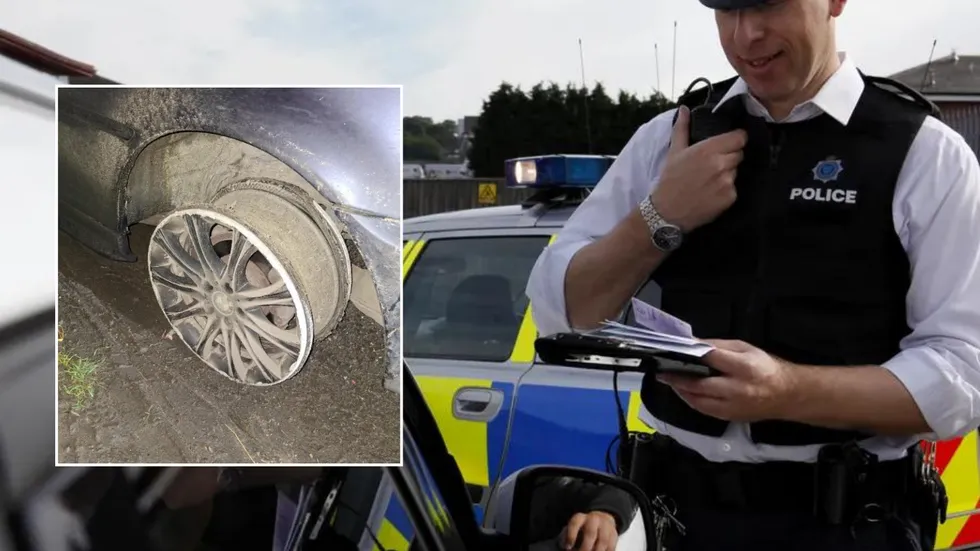
The driver was issued a 20-month driving ban and ordered to pay a fine
|
NORFOLK CONSTABULARY/GETTY
At the roadside, he was asked to provide a breath sample. Police said he gave a positive reading of 69 micrograms, nearly double the legal limit.
He was immediately arrested on suspicion of drink driving. The vehicle was also prohibited from further use at the scene due to its dangerous condition.
A later evidential test taken in custody confirmed a reading of 63 micrograms. He was subsequently charged with drink driving and driving a motor vehicle “in a condition likely to cause danger of injury”.
The case highlighted the serious risks posed by drink driving, particularly when combined with a vehicle that is not roadworthy.
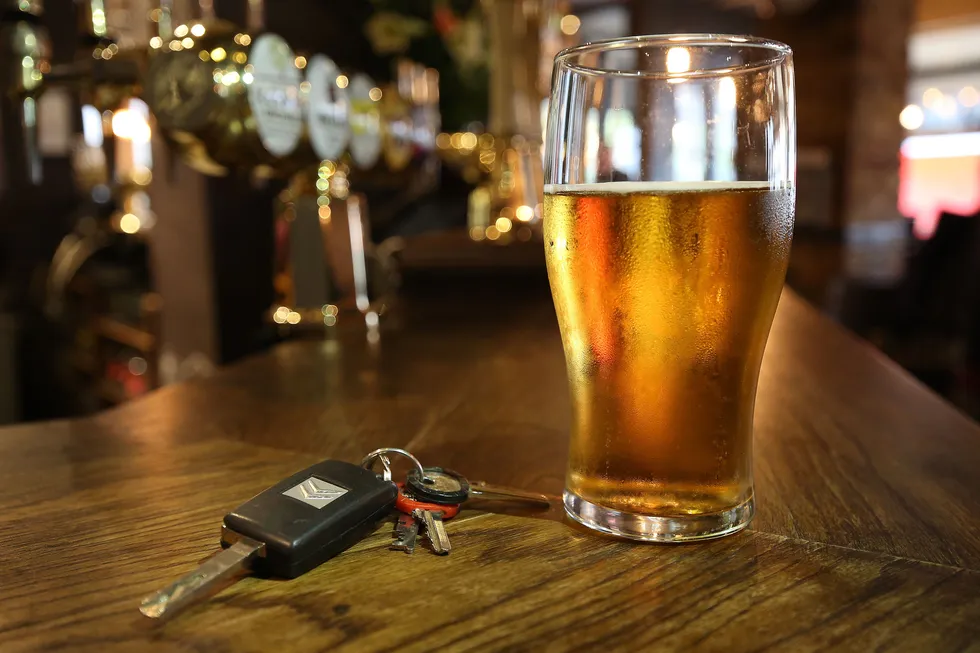 The current alcohol limit is 80mg of alcohol per 100ml of blood in England | PA
Driving on exposed wheel rims significantly reduces vehicle control and increases the risk of a crash, putting both the driver and other road users in danger.
Police have repeatedly warned motorists about the consequences of getting behind the wheel after drinking.
In this case, officers said the vehicle‘s condition alone was enough to pose a major hazard, even before alcohol was taken into account.
The combination of intoxication and mechanical failure made the situation especially dangerous.
Members of the public are being encouraged to report erratic or unsafe driving, as in this case, where a concerned caller helped alert police.
The sentence reflected both the level of alcohol detected and the dangerous state of the vehicle.
Authorities continue to stress that even a small amount of alcohol can impair judgement and reaction times.
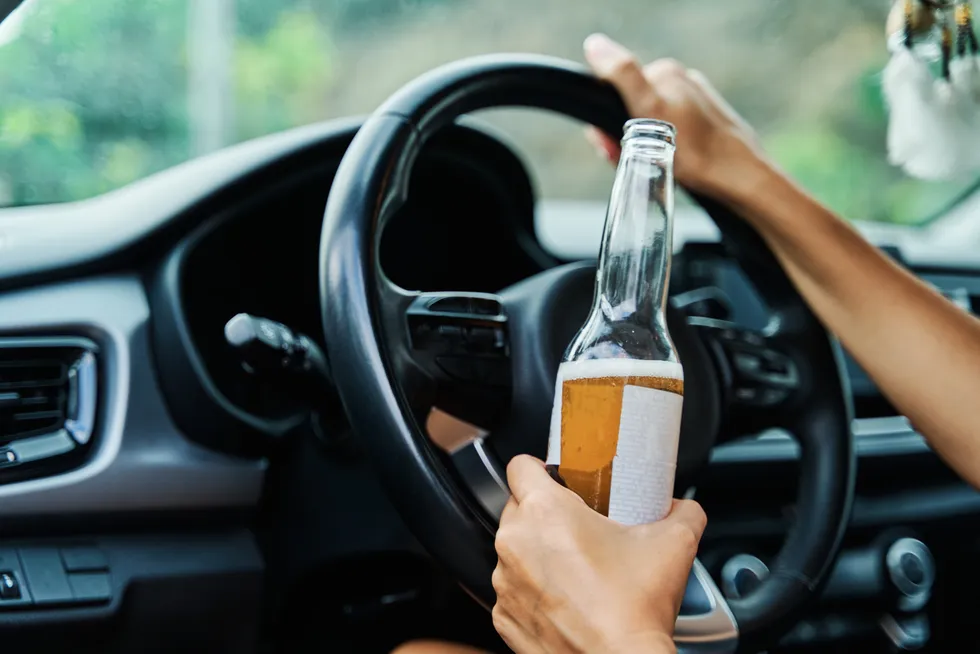 Drink-driving cases have soared across the UK, prompting Labour to include tougher rules in the Road Strategy | GETTY
Drivers are being reminded that the safest option is always to avoid alcohol entirely if they plan to drive.
As this case shows, reckless decisions on the road can quickly escalate into serious offences with significant consequences.
Earlier this year, the Road Safety Strategy was unveiled by Labour, which hoped to introduce tougher drink-driving rules for motorists.
The changes, currently under consultation, would see stricter action on drink driving by lowering the drink driving limit in England and Wales, including an even lower limit for novice drivers.
It also looks to review the penalties and mandatory training for drink and drug driving offences, including consulting on the use of alcohol interlock devices.