

British consumers will see a significant shift in how they pay at the checkout later this week when the nationwide £100 contactless payment ceiling is abolished.
The Financial Conduct Authority (FCA) has introduced new regulations giving banks and payment providers greater flexibility over transaction limits, which will come into effect on Thursday (March 19).
Under the revised rules, financial institutions may also offer customers the option to select their preferred spending limits or disable tap-to-pay functionality altogether.
Individual banks will determine their own timelines for implementing changes, meaning adjustments will not occur uniformly across all providers from day one.

Contactless payment rules are changing
|
GETTY
The regulator has stated these amendments are intended to give banks greater flexibility in responding to evolving consumer preferences, advances in payment technology, and the effects of inflation on everyday purchases.
Tap-to-pay has become the overwhelming preference for British consumers making in-store purchases, with data from Barclays revealing that 94.6 per cent of eligible card transactions at physical retailers were completed using contactless methods during 2024.
Analysts have noted that the dominance of contactless payments has driven the push for more adaptable rules, as the previous fixed cap increasingly failed to reflect how people actually spend their money at the till.
Nicola Morgan, a financial services expert at Confused.com, said: “For many consumers, contactless is already the easiest way to pay, as it allows you to make quick purchases without entering a PIN.
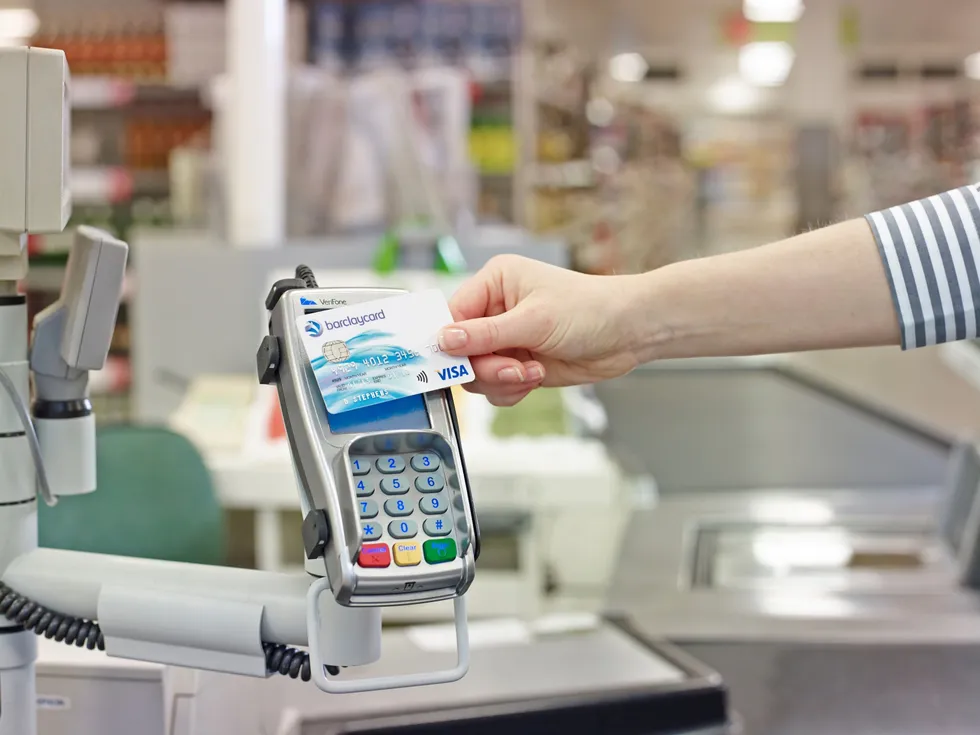 Customers must update any payments linked to their debit card themselves | PA
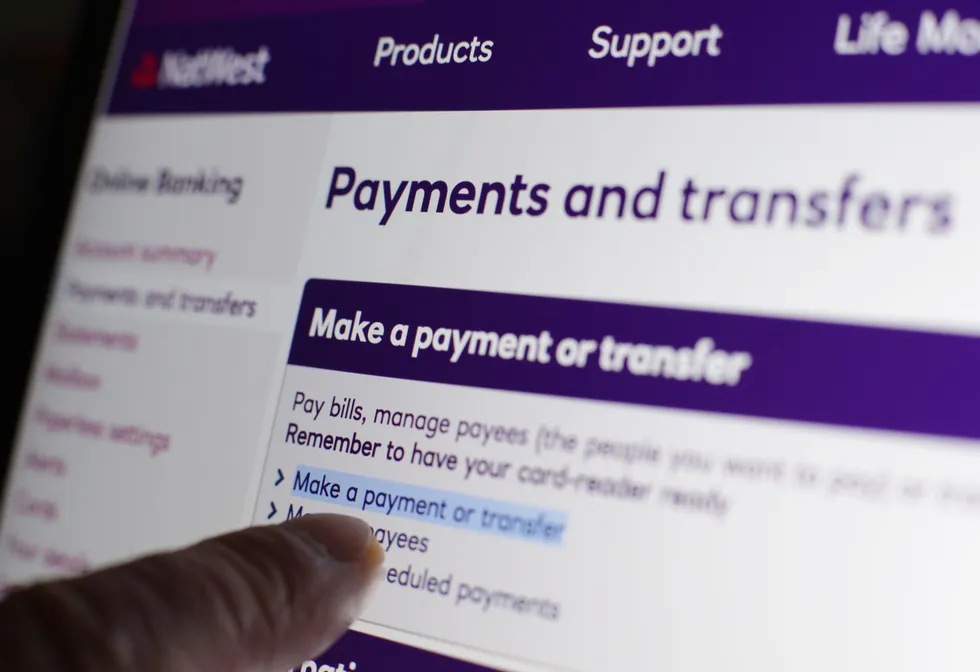 Customers can make money by just logging onto NatWest’s online banking | PA
“From this Thursday, the nationwide £100 cap will be removed, meaning banks will be able to set their own contactless limits and in some cases allow customers to choose a limit that suits them.”
Despite the removal of the fixed ceiling, the FCA still expects financial institutions to maintain protective measures for their customers.
These safeguards include ongoing fraud monitoring systems and periodic PIN verification requirements, particularly when processing higher-value purchases.
For those considering raising their contactless threshold, several straightforward precautions can help safeguard their finances.
 The FCA said it would confirm the new rules later this month | PA
 Consumers should familiarise themselves with their bank’s fraud protection policies, including refund procedures for unauthorised transactions and expected timeframes for recovering funds.
Where available, setting a personal cap that matches typical spending habits can reduce unnecessary exposure to risk.
Mobile wallet payments offer enhanced protection through fingerprint or facial recognition technology, making them preferable for larger purchases.
Banking apps typically allow customers to deactivate contactless functionality entirely if preferred. Regular transaction monitoring remains essential, enabling swift detection of any suspicious activity on accounts.