
Royal Mail is expected to deliver around 219 million letters late this year despite introducing another increase in the price of stamps.
The delivery courier has said that more than 92 per cent of all post arrives on or before its due date.
Members of Parliament have accused the postal operator of obscuring the scale of its delivery failures by combining first-class and second-class delivery statistics into a single performance figure.
However, MPs argue that the figure disguises much weaker performance for customers paying for first-class next-day delivery.
Politicians said presenting the figures in this way creates a misleading picture of Royal Mail’s overall reliability while households and businesses continue to experience delays with important correspondence.
This performance level falls significantly short of the 93 per cent delivery target set by regulators.
The gap between the target and actual performance means roughly 126 million first-class letters are expected to arrive later than promised over the course of the year.
Second-class letters have performed better than first-class mail in recent figures.
More than 90 per cent of second-class items are delivered within the required timeframe.
Data indicates that fewer than 75 per cent of first-class letters reach their destination on the next working day
|
GETTY
Despite this higher rate, the service still falls short of regulatory expectations and represents around 93 million delayed letters annually.
Royal Mail, which is now owned by Czech billionaire Daniel Křetínský, is facing mounting political scrutiny following complaints from customers about delayed or missing post.
The business and trade committee opened an inquiry last month amid concerns that Royal Mail may be prioritising its more profitable parcels business over traditional letter deliveries.
MPs on the committee said they want to examine whether the company’s operational focus has shifted away from its universal service obligations.
The scrutiny comes as Royal Mail confirmed it will increase the price of first-class stamps by 10p next month.
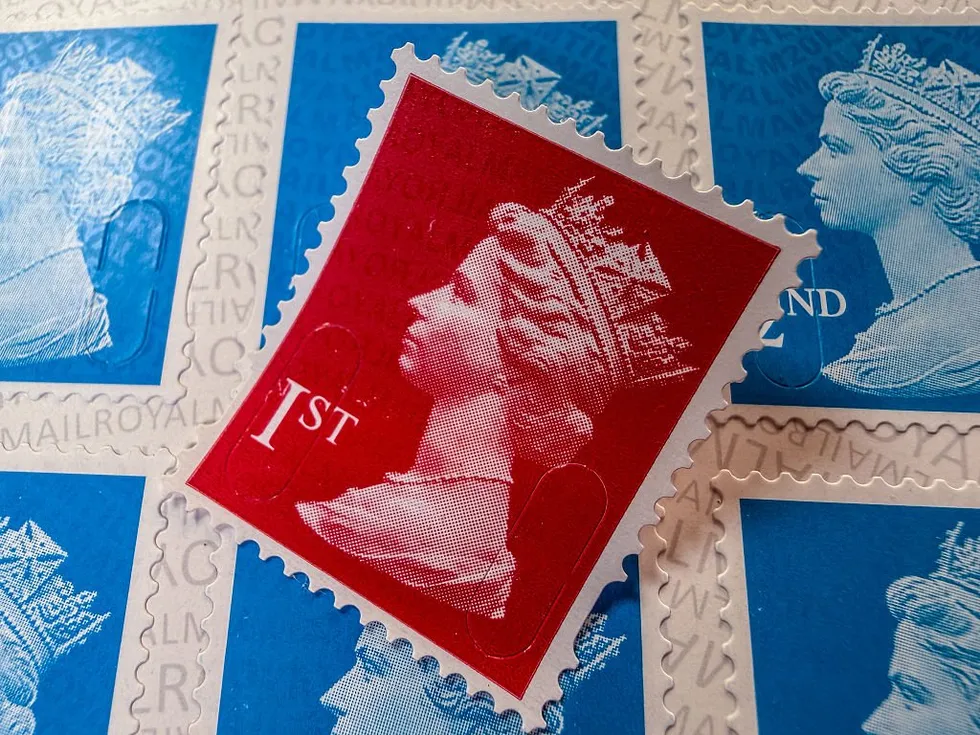
The price will rise to £1.80 for a first-class stamp
|
GETTY
The increase marks the seventh rise in stamp prices in the past four years.
Customers are now paying nearly double what they did in 2022 when the price of a first-class stamp was 95p.
Second-class stamps will also increase in price.
The cost will rise from 87p to 91p, although second-class stamps remain subject to price caps imposed by Ofcom.
Regulators have already taken enforcement action against Royal Mail over its performance levels.
In October, Ofcom imposed a £21million fine on the company after it failed to meet delivery targets.
The penalty was the largest financial sanction issued by the regulator against Royal Mail.
The fine means that the total penalties issued to the postal operator over the past three years now exceed £36million.
Senior executives from Royal Mail are expected to appear before Members of Parliament later this month as part of the ongoing inquiry into the company’s performance.
They will give evidence alongside representatives from the Communication Workers Union and Ofcom.
The hearing will focus on delivery standards, the universal service obligation and the future structure of the UK postal service.
Royal Mail is also engaged in negotiations with its union over proposed changes to the universal service obligation.
Ofcom approved reforms to the service requirement last year, which could alter how often letters must be delivered across the UK.
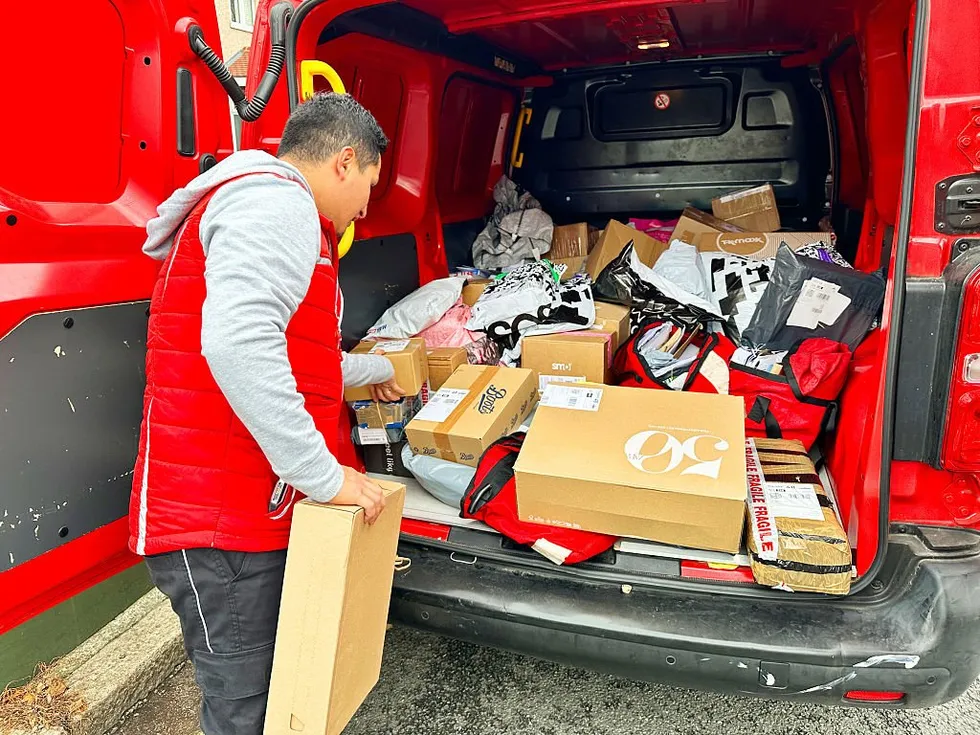
Talks between Royal Mail and union representatives are being overseen by ministers
|
GETTY
The negotiations have already exceeded their original four-week timetable.
Royal Mail has indicated it could move forward with the reforms even if the discussions do not produce an agreement.
A Royal Mail spokesman said: “We recognise there is more to do to deliver a consistently high level of service everywhere.”
The spokesman added that the upcoming parliamentary session would provide an opportunity to discuss the company’s transformation plans and the need for reforms to ensure the long-term financial sustainability of the universal postal service.