
Tesla has secured regulatory approval to enter Britain’s domestic energy market, positioning the electric vehicle manufacturer to compete with established suppliers.
The licence allows the company to challenge providers including British Gas and Octopus Energy as it expands beyond its core automotive operations.
Energy regulator Ofgem granted Tesla’s subsidiary permission to supply electricity directly to households and businesses across the country.
The approval was issued to Tesla Energy Ventures following a seven-month regulatory assessment examining whether the company had the capability to operate an energy supply business safely and reliably.
Under the licence, Tesla Energy Ventures can now provide electricity to domestic and non-domestic customers across England, Wales and Scotland.
The authorisation does not extend to gas supplies, meaning the company will operate solely as an electricity provider.
The expansion marks a significant development for Elon Musk, whose business empire already includes solar energy and battery storage operations alongside electric vehicle manufacturing.
Tesla has maintained a presence in Britain’s energy sector since 2020 when it secured permission to generate electricity in the country.
Across the Atlantic, the Texas-headquartered company already operates as an electricity supplier in parts of the United States.
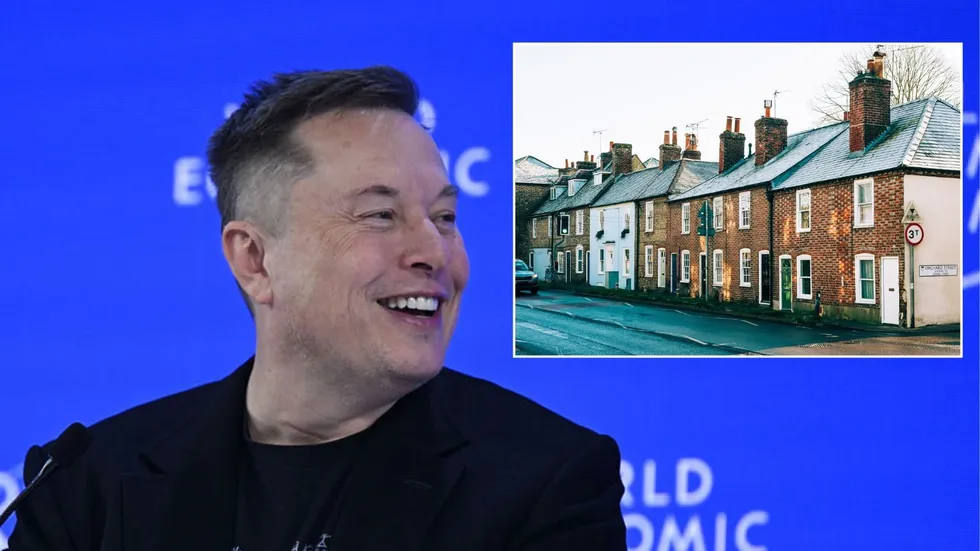
Industry observers said the firm’s arrival could increase competition in the British energy market
|
GETTY
Consumers have faced rising household energy bills in recent years following global supply disruptions and volatility in wholesale markets.
The Manchester-based energy division is expected to reveal its pricing structure in the coming months as it prepares to begin supplying British customers.
The company is widely expected to position itself as a technology-focused alternative to traditional energy providers.
Campaigners and members of the public submitted objections during the application process.
Advocacy group Best for Britain said thousands of individuals had raised concerns with Ofgem through its online platform.
Criticism focused largely on Mr Musk’s political activity.
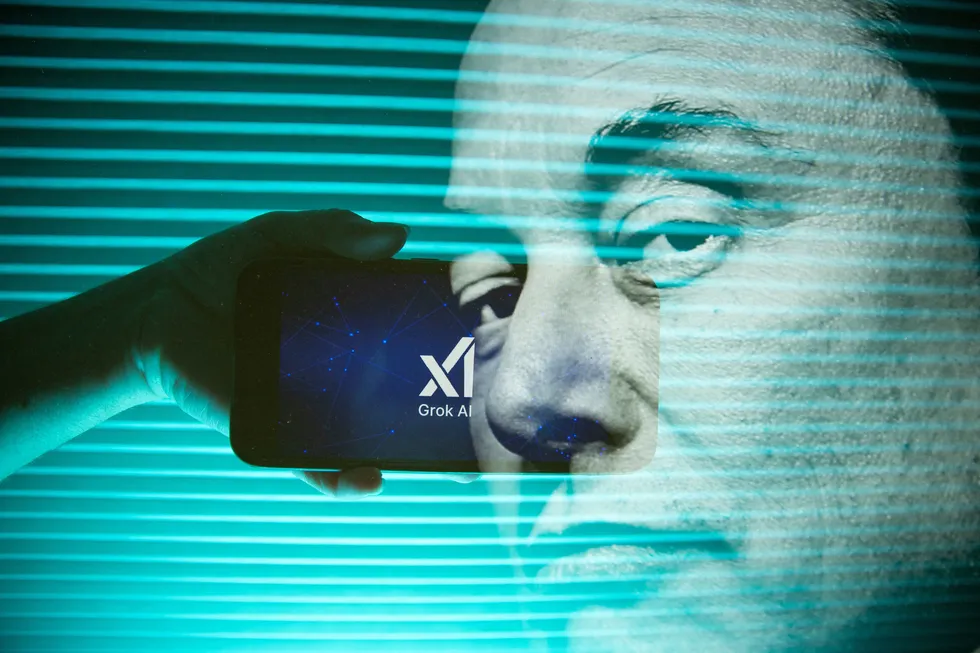
Grok has faced growing criticism
|
GETTYMr Musk’s changes to social media platform X, which he acquired in 2022, were also raised during the consultation process.
Energy Secretary Ed Miliband criticised the technology entrepreneur in public comments during the debate.
He said: “Elon Musk is a dangerous person.”
He also accused Mr Musk of calling for the Government’s overthrow while encouraging street violence.
Ofgem maintained that its assessment process focuses on corporate applicants rather than the personal views of company executives.
A spokesperson for the regulator said the licensing process evaluates whether firms are capable of meeting regulatory requirements and protecting customers.
Under its new authorisation, Tesla Energy Ventures must comply with consumer protection rules and financial standards set out under the Electricity Act 1989.
The regulations include requirements on billing transparency, fair treatment of customers and financial accountability.
Failure to meet those obligations could result in enforcement action, financial penalties or the revocation of the company’s supply licence.
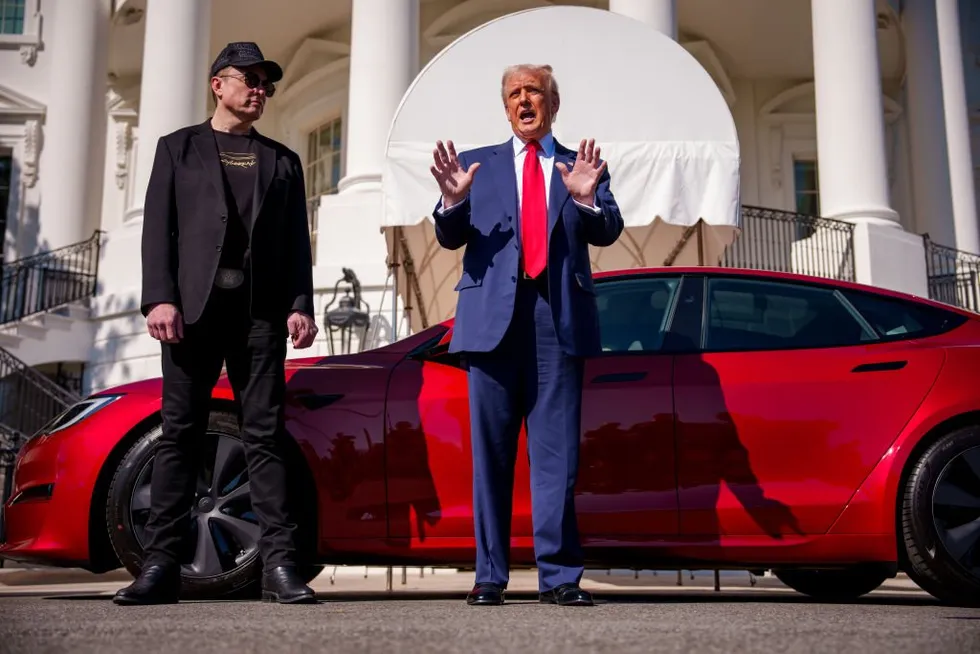
Tesla’s expansion into Britain’s energy market comes during a challenging period for its automotive division
|
GETTY
The company delivered 1.64 million vehicles during 2025, representing a nine per cent decline compared with the previous year.
The drop marked the second consecutive annual fall in vehicle deliveries.
Chinese manufacturer BYD overtook Tesla earlier this year to become the world’s largest electric vehicle producer.
BYD delivered 2.26 million vehicles during the same period.
Ofgem said it will monitor Tesla Energy Ventures closely as it begins supplying electricity to British households and businesses.