
The Met Office is under fire over “misleading” weather warnings, which industry leaders claim are “costing businesses thousands”.
More than 80 outdoor visitor attractions across Britain have united to demand changes to how weather apps present their forecasts, claiming that misleading rain symbols are costing them significant revenue.
The attractions argue that a single rain cloud icon can deter potential visitors, even when precipitation is limited to brief overnight showers or short-lived drizzle during the day.
While acknowledging that detailed hourly forecasts exist, the group contends that “most users glance at the top-line symbol and plan their day accordingly”.
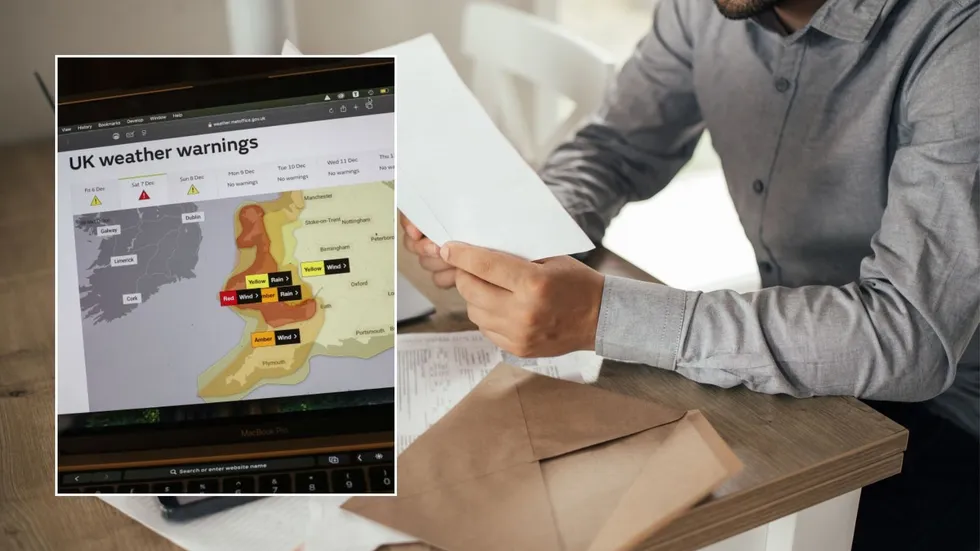
The Met Office is under fire
|
GETTY
Businesses told The Times that financial stakes are substantial, with attractions claiming losses exceeding £100,000 daily due to what they describe as oversimplified weather presentations.
Chester Zoo has calculated that a misleading forecast on a busy bank holiday could deprive them of as much as £137,000 in combined ticket sales, food purchases, and merchandise revenue.
The zoo’s analysis indicates that visitor numbers fall by approximately 30 per cent following a negative weather prediction, even when conditions during opening hours remain completely dry.
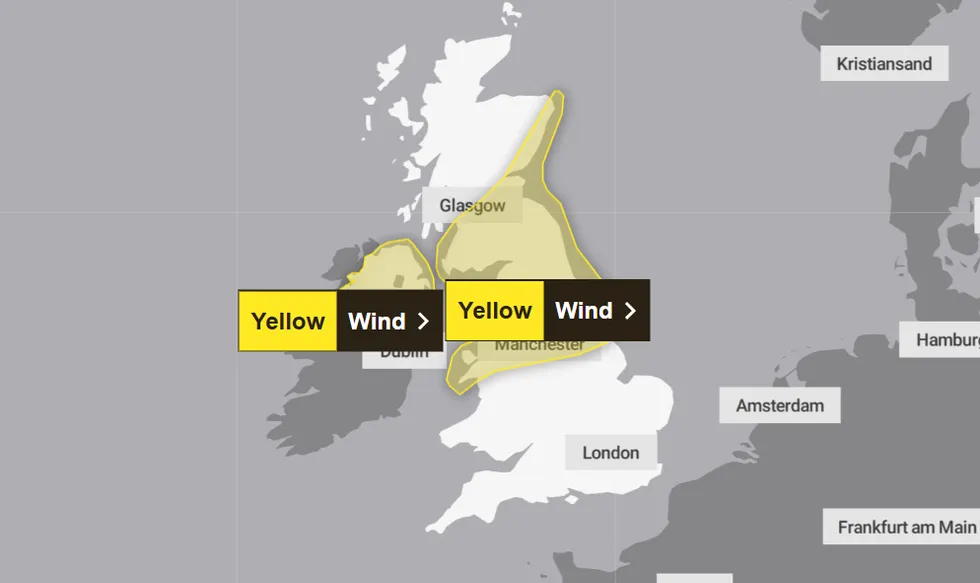 The Met Office issues a 15-hour wind warning as 70mph gusts set to hit 380-mile stretch of Britain | MET OFFICE
 Businesses have expressed concerns over spiralling employment costs | GETTY
Dominic Strange, the zoo’s chief operating officer, said: “Even on the driest days, where perhaps there might be a forecast of a very brief shower, even then it’s displaying this rain cloud” and families can be put off.
He described the potential daily loss as a “big drop” that affects “vital income” supporting both the conservation charity’s work and around a thousand jobs in the local area.
The attractions have put forward several practical solutions in their letter, including separating forecast icons into distinct daytime and nighttime conditions.
They also suggested adding brief written summaries such as “showers early, brighter later” or implementing simple visual indicators like percentage bars displaying expected dry hours throughout the day.
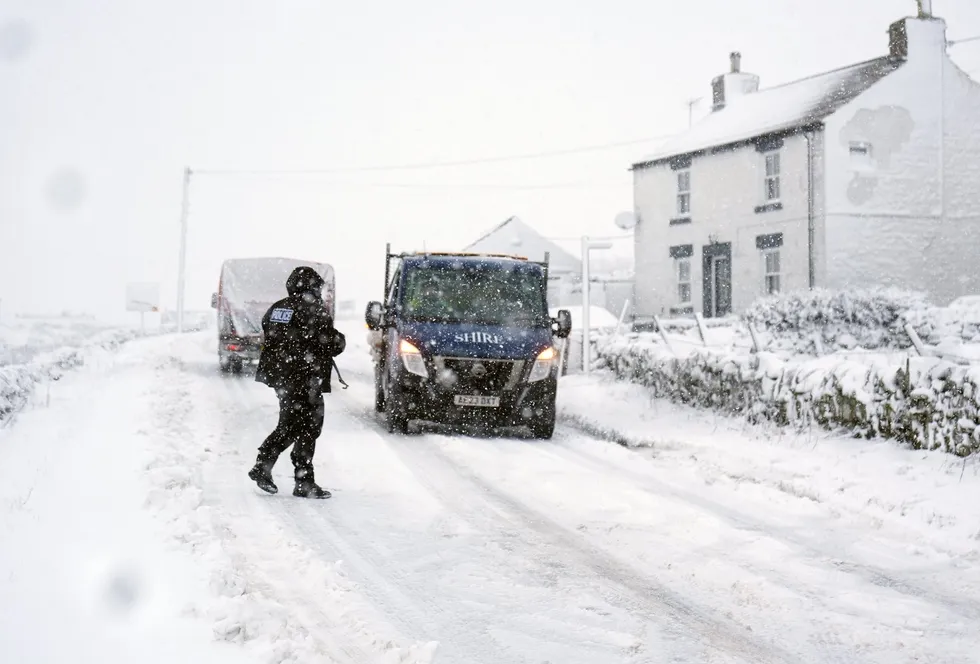
Britons have been inundated with cold weather warnings as of late
|
PAOlly Reed, the director at Navigate, the marketing firm behind the letter, described an “absolute tidal wave of attractions saying it’s a really big issue for them”. He confirmed that attendance data and forecast analysis across their clients supported the 30 per cent decline in visitor numbers.
Mr Reed singled out third-party platforms as “particularly bad,” specifically naming the Apple and BBC weather apps, though the attractions stressed they were not questioning the Met Office’s underlying science, merely its presentation. BBC Weather obtains its data from MeteoGroup, whilst Apple’s weather information comes directly from the Met Office.
Tabitha Aldrich-Smith, a senior communications market executive at the Met Office, said: “We are committed to providing accessible forecasts tailored to make the most of the UK weather.
“Recognising that days out are an integral part of our culture, we aim to support the outdoor industry, from attractions to festivals, as they prepare for the season ahead. We look forward to ongoing collaboration with the tourism sector.”