
London Museum Docklands has draped a multicoloured fabric over an early 19th-century portrait in a bid to “reclaim Caribbean history”.
The piece depicts Beeston Long, a former Bank of England governor who profited from slave labour, with the cloth representing Caribbean nations partially obscuring the painting.
The display, which is part of a new exhibition trail titled “Caribbean Voices: Shaping Docklands”, will open to visitors until January next year.
Information panels accompanying the display explain that artworks which might “obscure” or “sanitise” connections to slavery can “evoke emotional responses”.
The signage also states that museums have a responsibility to give “voice to those whose cultures have been impacted by colonialism”.
Mr Long served as governor of the Bank of England between 1806 and 1808, passing away in 1820 at the age of 63.
During his career, he played a significant role in expanding London’s Docklands and held investments in Jamaican plantations that relied on enslaved workers.
His name appeared in a 2020 database created by University College London’s Legacies of British Slave-ownership project, which uncovered links between the transatlantic slave trade and at least 25 individuals who held positions as governors or directors at the Bank of England during the 18th and 19th centuries.
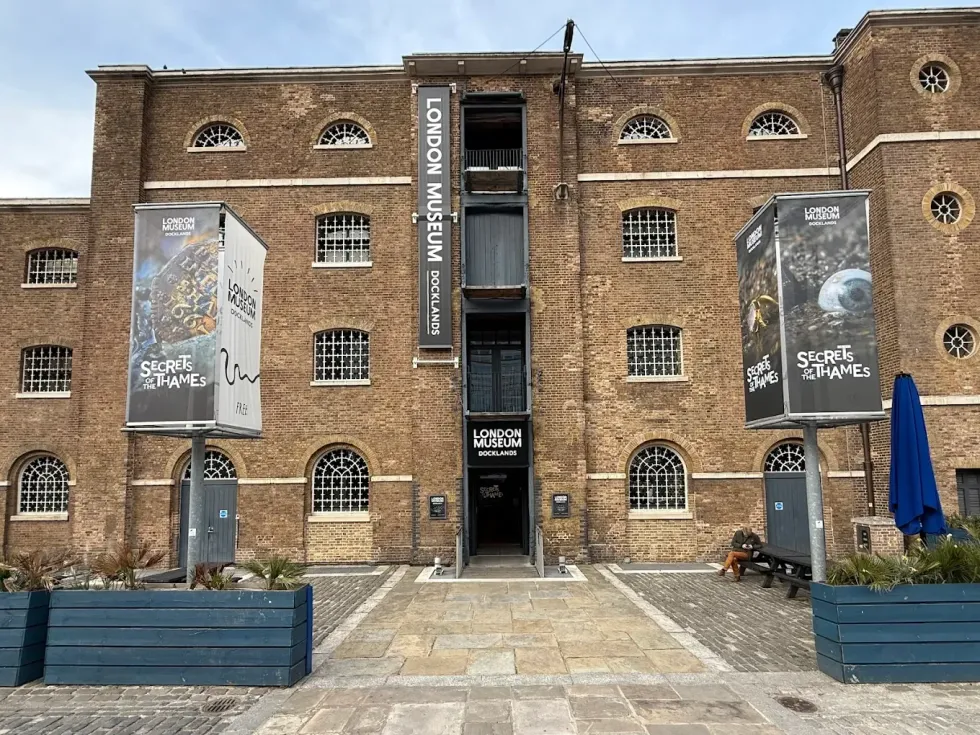
The portrait resides within London Museum Docklands
|
GOOGLE MAPS
Following this research, the Bank of England took down ten paintings and busts depicting seven former governors and directors whose involvement in slavery had been revealed.
It is unknown whether Long’s descendants were consulted before the portrait was covered.
The museum’s exhibition aims to “reclaim the histories of colonised Caribbean nations, the role of Caribbean produce in shaping Britain, the contributions of Second World War veterans, and the many ways the community has influenced the local area’s past and present”.
Signage throughout the gallery addresses the difficult nature of the collection directly, stating: “Many of the objects in this gallery were created for and through the oppression of enslaved people”.
“European colonialists exploited African and Asian peoples and lands relentlessly”, it says.
London Museum Docklands receives funding from both the City of London Corporation and the Greater London Authority.
The decision to partially conceal Long’s portrait comes amid ongoing debates about how cultural institutions should address historical figures connected to Britain’s involvement in the slave trade.
Just last week, the statue of Winston Churchill in Parliament Square was defaced by pro-Palestine activists, adorned with phrases such as “Stop the Genocide” and “Free Palestine”.
Further graffiti read “Never again is now” and “Globalise the Intifada” sprayed in red paint.
In 2020, a bronze statue of slave trader Robert Milligan was removed from its position outside London Museum Docklands after police expressed concerns that Black Lives Matter protesters might attempt to topple it, potentially causing injuries and damage.
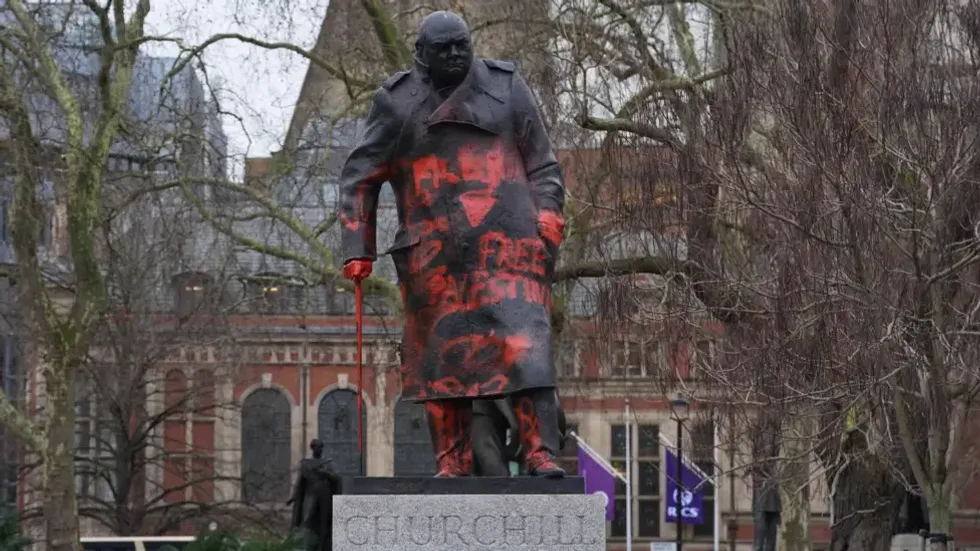
The statue of Winston Churchill outside Parliament was vandalised last week
|
PA
That same year, London Mayor Sadiq Khan launched a review of statues and street names across the capital, declaring that any with slavery connections “should be taken down”.
However, the Government has taken a different stance, opposing the removal of contested monuments and instead advocating for their retention alongside explanatory information for the public.
This position was reflected in 2021 when the City of London Corporation decided to keep a statue of William Beckford, an 18th-century slave-owning lord mayor, outside its headquarters after consultation revealed limited public appetite for its removal.