

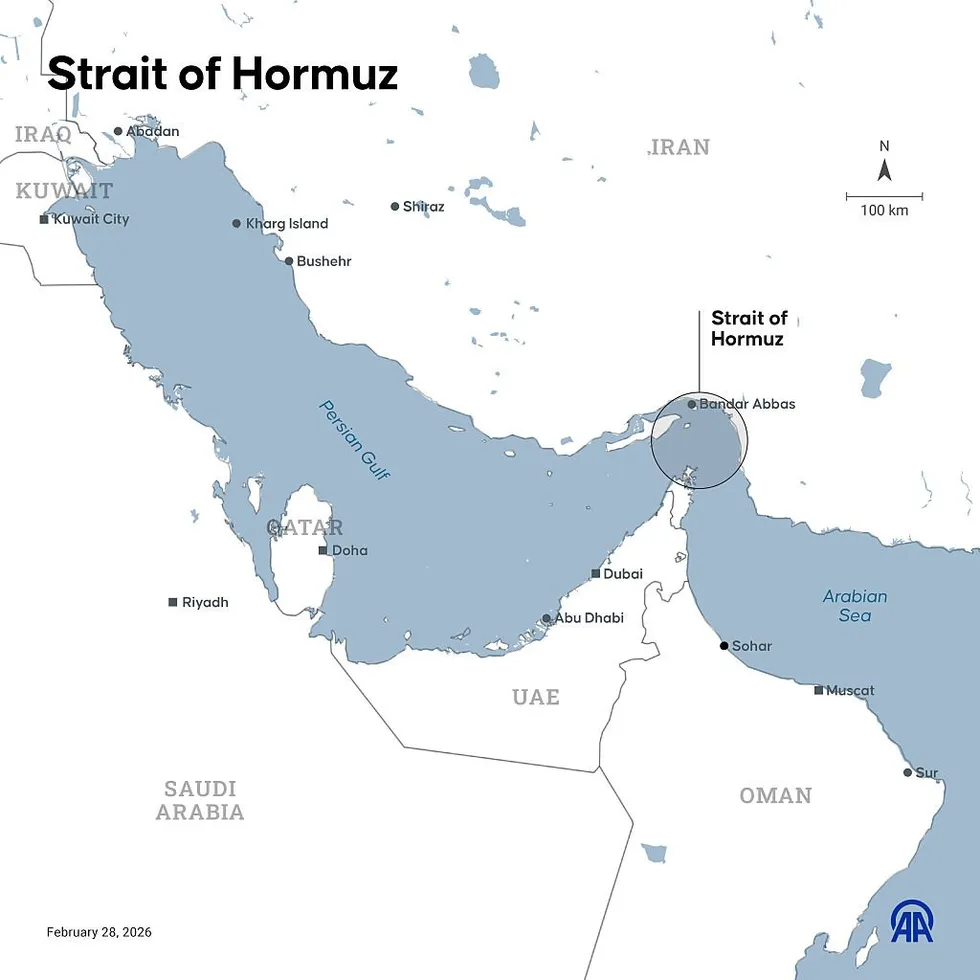
British shoppers could face higher grocery bills if disruption in the Strait of Hormuz continues to ripple through global supply chains, despite the UK importing relatively little food directly from the Gulf region.
Simon Geale, executive vice president at Proxima, told GB News that sustained tensions would feed through to household budgets.
He said: “While this is a geopolitical story, it will also turn into a household budget story if tensions persist.”
Around one fifth of the world’s oil and significant volumes of liquefied natural gas pass through the Strait of Hormuz, making any prolonged disruption a risk to global energy markets.
Although Britain has limited direct food trade with Gulf states, modern grocery supply chains are globally interconnected and heavily dependent on fuel and electricity.
Mr Geale said: “We know that around 20 per cent of global oil and a significant amount of LNG flow through the Strait of Hormuz, so sustained disruption pushes up global energy prices.”
Higher energy costs affect petrol prices and the electricity used by retailers, but they also increase costs across food production, refrigeration and transport networks.
Previous shipping crises have demonstrated how quickly these pressures can build.

British shoppers could face higher grocery bills amid Iran crisis
|
GETTY
“During previous shipping disruptions, rerouting via much longer routes was increasing fuel and voyage costs by 30-60 per cent in some cases, and these costs tend to work their way through to consumers.”
Beyond transport, fertiliser prices present a further risk to food costs.
Nitrogen based fertilisers are produced using natural gas, and the Middle East is a major exporter of these inputs.
He said: “For many crops, farmers’ fertiliser can hit 10-15 per cent of production costs, and so these farmers will see a secondary price spike alongside fuel costs.”
Strait of Hormuz
|
GETTY
Staple goods such as bread, pasta, cereals and potatoes are particularly exposed to fertiliser driven cost increases.
Mr Geale added: “Fertiliser price spikes will affect things like bread, pasta, cereals, potatoes and animal feed.”
Higher animal feed costs can also feed into meat and dairy prices if livestock producers pass on increased expenses.
Industry analysts note that even if domestic supply remains stable, global commodity pricing means UK consumers are unlikely to be insulated from sustained international shocks.
He cautioned that while cost increases typically take time to pass through supply chains
|
GETTY
Food inflation has hovered between 3.5 per cent and four per cent over the past year, but further energy market disruption could push that figure towards 4.5 per cent to five per cent.
Mr Geale said the sector would “probably expect to see food inflation rates edge up by around 15-20 per cent relative to the current level”.
He cautioned that while cost increases typically take time to pass through supply chains, some producers and retailers may act sooner to protect margins in a sector where profit levels are often narrow.
“In theory, there should be a lag as cost increases work their way through the system, although some producers and retailers may act now to protect margins, which are traditionally thin in this sector.”
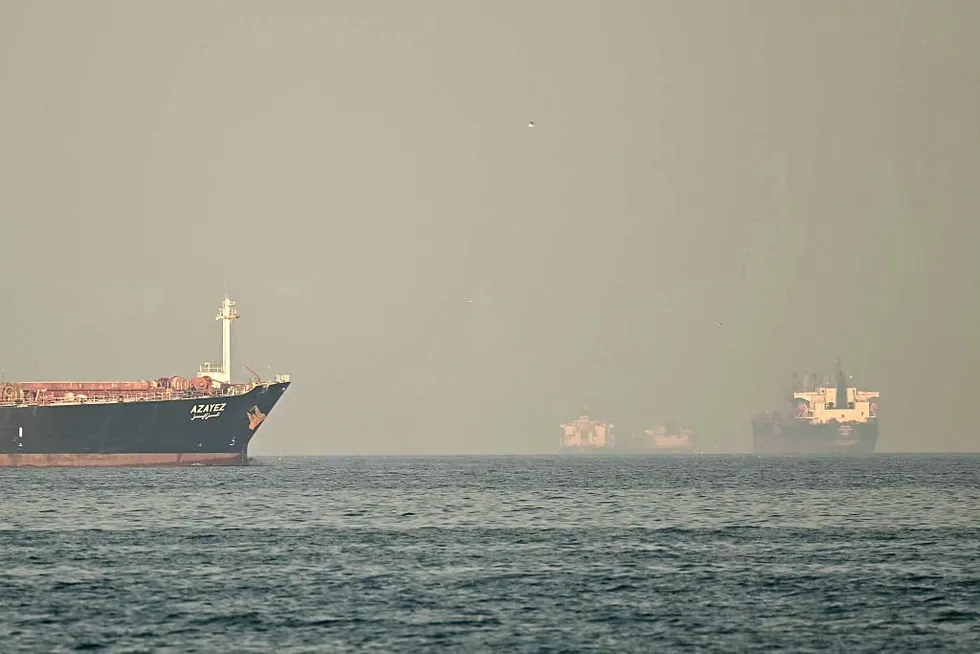
Shipping companies have already paused some vessels transiting the region, while insurers have reportedly withdrawn cover and freight rates have risen sharply in recent days.