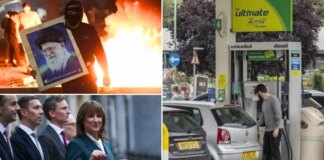

Oil prices have skyrocketed amid the conflict in Iran, with tankers burning on the waves and the Strait of Hormuz brought to a near standstill.
The Iranian waterway, through which a fifth of all oil flows, was brought to a near-stop as Iran attacked several ships.
Brent crude oil shot up to $77 USD (£57.28), an increase of 10 per cent.
Meanwhile, investors fled to gold, an asset considered stable during times of crisis.
Gold spiked over $5500 before settling within the $5,350 range (£3,979.81 GBP).
Equity markets were down with the American S&P 500, Japanese Nikkei 225, Hong Kong’s Hang Seng, and China’s CSI 300 all experiencing drops.
London’s FTSE 100 reached a record high on Friday and nearly crossed 11,000 for the first time, but is expected to fall 0.5 per cent as the market opens on Monday morning.
Hong Kong leads the world’s markets as the worst-performing stock market, with analysts assessing the impact of higher oil prices on China, the world’s largest net oil importer and biggest individual buyer of Iranian oil.
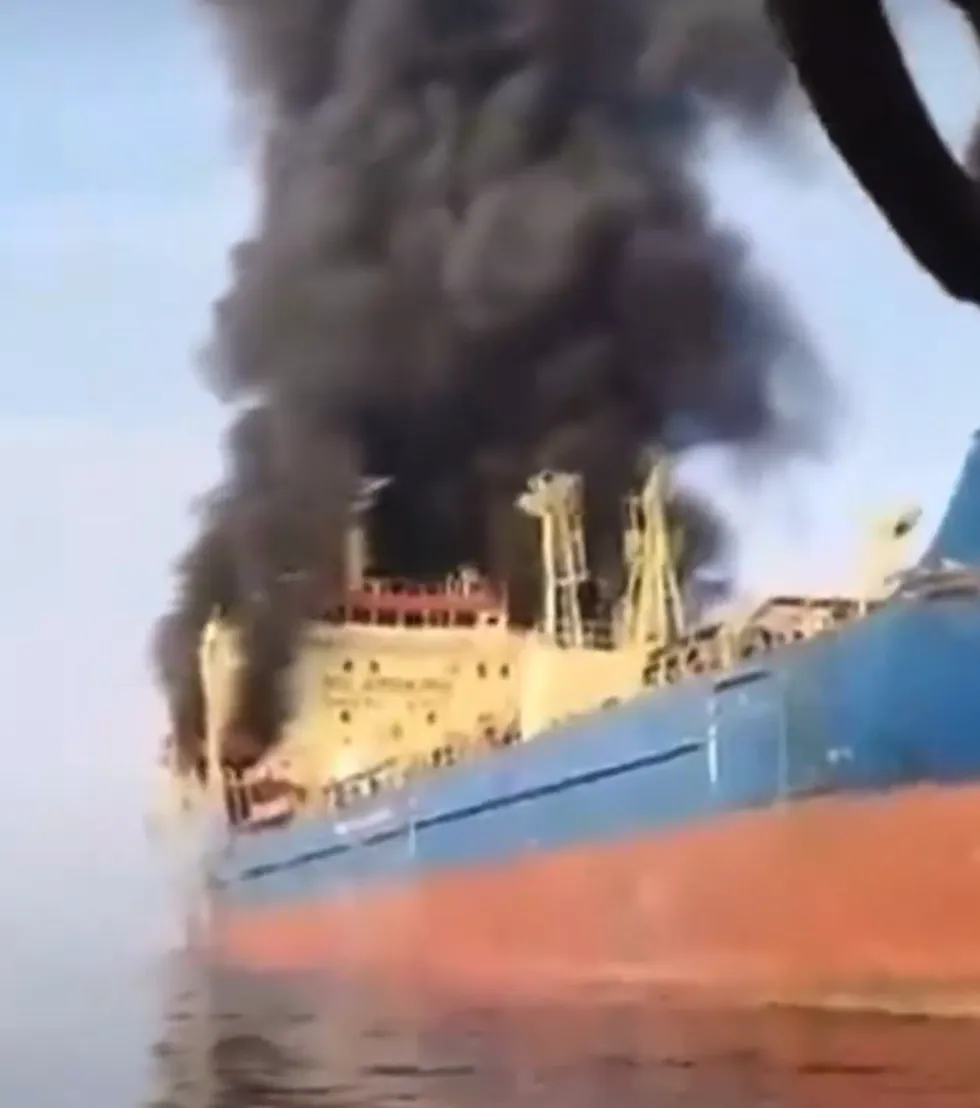
Video appears to show the Skylight tanker on fire off the coast of Oman
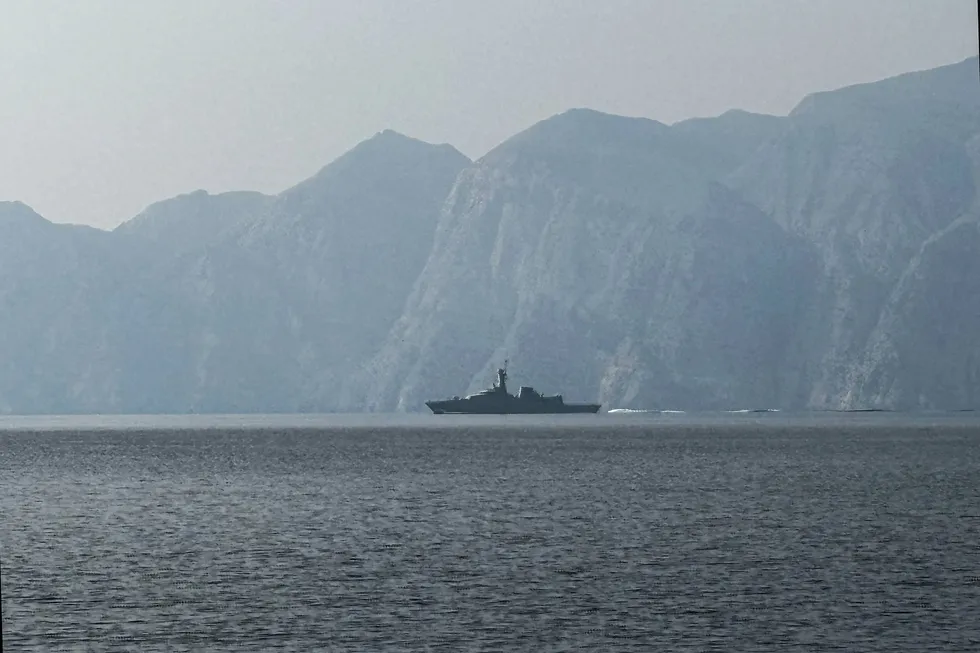
Navy vessel within the Strait of Homuz, which has been brought to a near standstill after two ships were attacked
|
GETTY
Kuwait’s stock exchange, the Boursa Kuwait, has suspended all trading until further notice, citing “exceptional circumstances” the country is facing.
French investment bank Natixis said to be warned China’s oil imports were placed at risk as a result of the military action.
One economist at the bank told the Financial Times that some 13 per cent of China’s oil imports came from Iran, adding that China has “kept Iran’s economy afloat amid Western isolation, while providing Beijing with cheap fuel”.
Wood Mackenzie, an analytics firm for the energy market, warned oil prices could hit as high as $100 per barrel if trade through the Strait of Hormuz is not quickly restored.
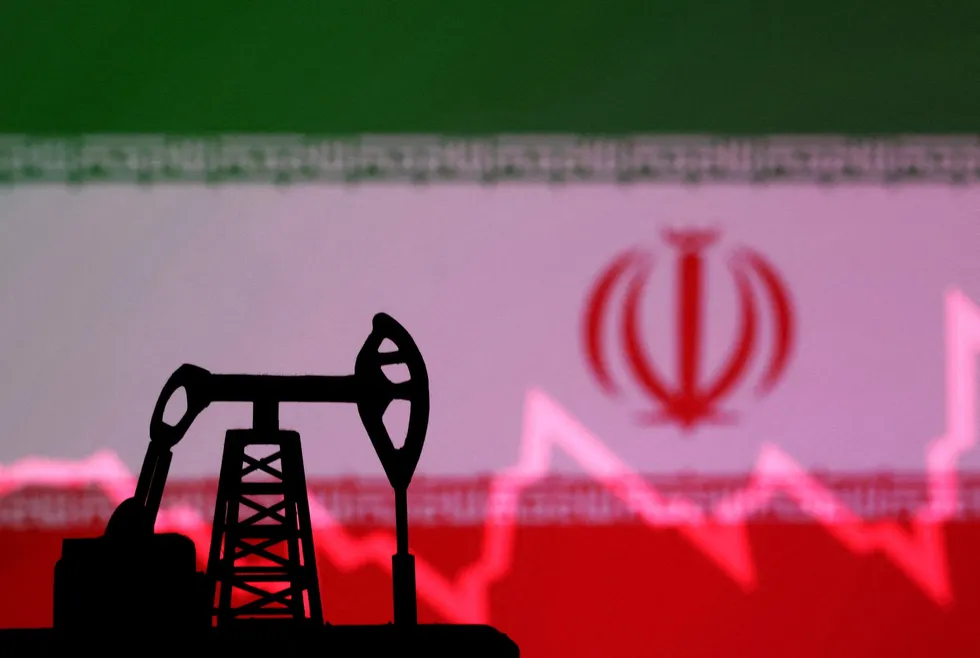
Oil prices have spiked as a result of the military strikes, with gold and silver also on the rise
|
REUTERS
Analysts compared the spike to the military action in Ukraine, when fears over the loss of Russian oil pushed prices above $125 per barrel.
Financial analyst and adviser Paul Auslander told GB News before the strikes broke out to expect “a run towards safe haven assets”.
He said both gold and silver had already risen amid the tensions.
He also warned military action will always spike the market and cause oil prices to rise across Europe and England.

The Hang Seng stock index in Hong Kong has taken the biggest hit, amid fears over China’s dependency on Iranian oil
|
GETTY
Mr Auslander told GB News readers and viewers to “batten down the hatches” if carrying an excessive amount of debt, and to make sure investments were not overexposed to equity markets.
The Strait of Hormuz remains in standstill after two ships were struck north of Oman, with United Kingdom Maritime Trade Operations (UKMTO) reporting it was struck by an unknown projectile above the waterline.
The engine room proceeded to catch fire, but was soon brought under control.
Another attack in the strait occurred north of the UAE, where an unknown projectile exploded in “very close proximity” to a ship.