

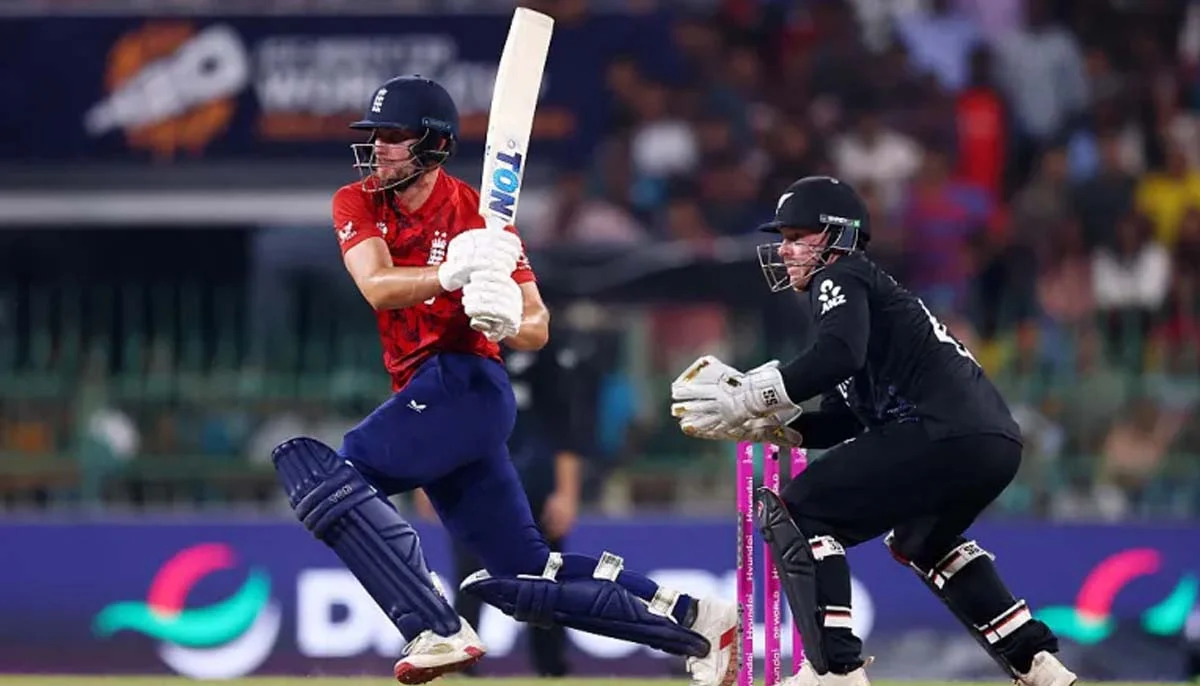
Cricket is all the rage most of the time, just like now, as the ICC Men’s T20 World Cup reaches its semi-final rounds.
Even though cricket is considered a safe sport to play, it carries a significant risk of injury due to high-speed bowling, physical exertion, and unpredictable ball impact.
From muscle strains to serious trauma, injuries are an integral part of the game. Over the years, several high-profile incidents have also highlighted the physical risks players face on the field.
Here are some famous moments in cricket history where the player’s injuries were either severe or fatal.
Phillip Hughes (2014): Tragically passed away after being struck on the neck by a bouncer from Sean Abbott, during a Sheffield Shield match at the Sydney Cricket Ground, leading to improved helmet safety standards.
Nari Contractor (1962): Suffered a fractured skull from a West Indies fast bowler, requiring multiple surgeries that ended his international career.
Babar Azam (2020): The most famous and significant injury sustained by the Pakistani batsman was a fractured right thumb in December 2020 during a throwdown session in Queenstown, New Zealand, just before the T20I series against New Zealand. He spent time in rehabilitation and returned to captain the team in the home series against South Africa in January 2021.
Mark Boucher (2012): Suffered a severe eye injury when a bail hit him in the face, forcing his immediate retirement.
Craig Kieswetter (2014): Retired early after a bouncer broke his nose and damaged his eye socket.
Simon Jones (2002): Ruptured his ACL (anterior cruciate ligament, a key band of tissue inside the knee that connects the thighbone) in his knee while sliding to stop a ball during a Test match.
Additionally, some common cricket injuries that many famous cricketers have faced include:
1. Muscle Strains and Sprains
Fast bowlers and fielders frequently experience hamstring, groin, and shoulder strains due to repetitive movements and sudden bursts of activity.
2. Stress Fractures
Stress fractures, especially in the lower back, are common among fast bowlers due to the repetitive impact of bowling actions.
3. Shoulder and Rotator Cuff Injuries
Overuse of the shoulder joint, particularly in bowlers and fielders, can lead to inflammation and long-term damage.
4. Finger and Hand Injuries
Fielding and wicketkeeping expose players to high-speed impacts, often resulting in fractures, dislocations, or ligament tears.
5. Head and Facial Injuries
Despite protective gear, cricket balls can travel at speeds over 140 km/h, posing a serious risk of concussion or facial trauma.