

Rhun ap Iorwerth will “drag” Wales closer towards independence if Plaid Cymru wins the Welsh Parliament Election on May 7, Reform UK’s Welsh leader Dan Thomas has told GB News.
Fears of breaking up the Union have been ramped up in the past few weeks as Reform UK and Labour plot to stop Plaid Cymru’s march to power.
Following last October’s Caerphilly by-election, Plaid Cymru emerged as favourites to win power in the upcoming election to Cardiff Bay.
Despite watering down previous calls for an independence poll, Mr Thomas issued a chilling warning about “left-wing extremists” plotting to “drag” Wales away from the UK.
Speaking to GB News for a special St David’s Day report, Mr Thomas said: “Independence is something that Plaid will always push for, but because they know most people in Wales don’t support it, Plaid have gone very quiet on that front.
“Part of our job in Reform is to make it clear what Plaid stands for. They’re separatists, yes, but they’re also left-wing extremists. They backed blanket 20mph and the nation of sanctuary policy.
“They’re in bed with the SNP. And they’ve also been supporting Labour in the Senedd for years. The only real option for common sense politics is Reform. We’re unequivocal in our support for the UK. Wales is a proud part of the Union.”
The Blackwood-born former Barnet Borough Council leader, who was unveiled as Reform UK’s Welsh leader last month, added: “Plaid goes quiet on independence when they’re talking to the public because they know it’s unpopular.
“But if Plaid get into Government, they may not deliver a referendum on the Union in year one or year two, but by the end of their term, they will have dragged Wales further away from our neighbours.”
However, Mr Thomas also took aim at Welsh Labour, accusing Baroness Eluned Morgan of “legitimising” Plaid’s push for independence by calling for more devolutionary powers.
The 44-year-old, who warned Welsh independence would also make the UK a “poorer place”, said: “Labour have totally run out of ideas in Wales and now they’re trying to call for more devolution to be a Plaid-lite sort of option.
“But the reality is that their devolution obsession is one of the reasons they’ve failed Wales so badly. They’re so busy trying to increase the size and power of the Senedd, they’re not focussing on getting our NHS back up off its knees for patients and staff.
“If Plaid and Labour want to spend the Senedd election talking about devolving policing that’s for them. I want to have a conversation with the people of Wales about how we’re going to tackle the cost of living, build our public services back and deliver real change for our communities.”
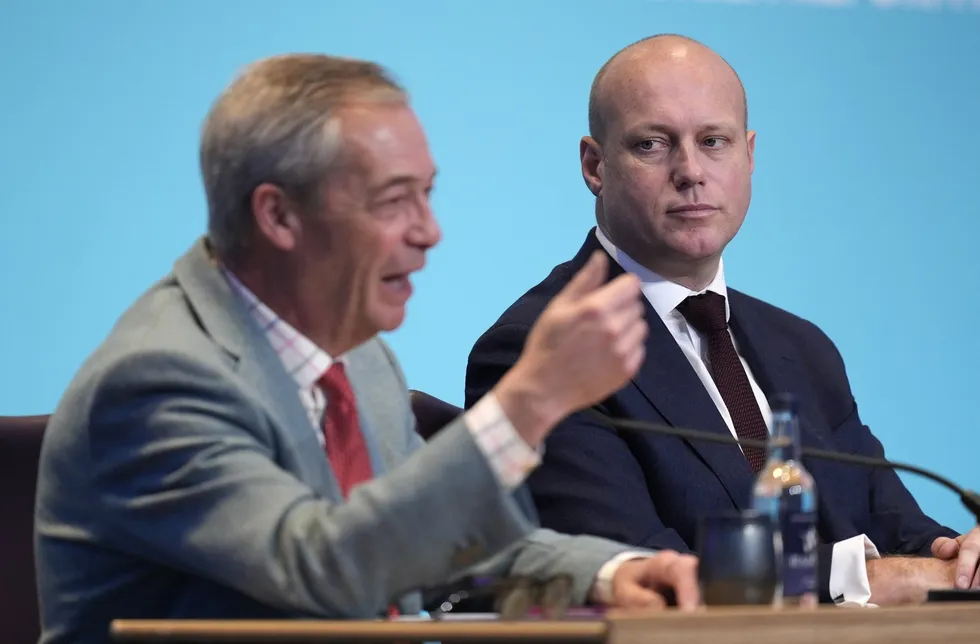
Dan Thomas spoke to GB News ahead of St David’s Day
|
PA
Welsh Deputy First Minister Huw Irranca-Davies rejected the suggestion Labour’s devolutionary push is fuelling Plaid’s rise.
“We want to see fairness in the funding we receive,” the Labour MS told GB News.“Just like Scotland sees profits from its natural resources returned to its government via the Crown Estate, that’s what Wales wants to see.
“Devolution of youth justice and probation, and rail infrastructure would mean we were better able to serve the people of Wales. The UK Government has recognised historic underfunding of rail in Wales and that’s why we’ve seen a commitment of £14billion for rail infrastructure.
“The only devolved rail infrastructure in Wales is the Core Valleys Line and that has been a major success, with more and more passengers using the service every year now it has more services and is more reliable. We want these things to make Wales stronger in a strong United Kingdom, not further devolution as a route to independence as Plaid Cymru have said.”
A GB News analysis of polling conducted between 2007 and 2026 suggests support for Plaid Cymru has not directly correlated to a surge in support for Welsh independence.
Despite spending much of the last decade propping up Welsh Labour as kingmakers in Cardiff Bay, Plaid Cymru’s vote share stood at around 20 per cent throughout the period.
Meanwhile, Welsh independence steadily grew in the wake of the 2016 Brexit referendum, jumping from 15 per cent in 2016 to 26 per cent in 2021.
The proportion of Welsh voters who would adamantly oppose independence has also slipped from 72 per cent in 2014 to just over 50 per cent this year.
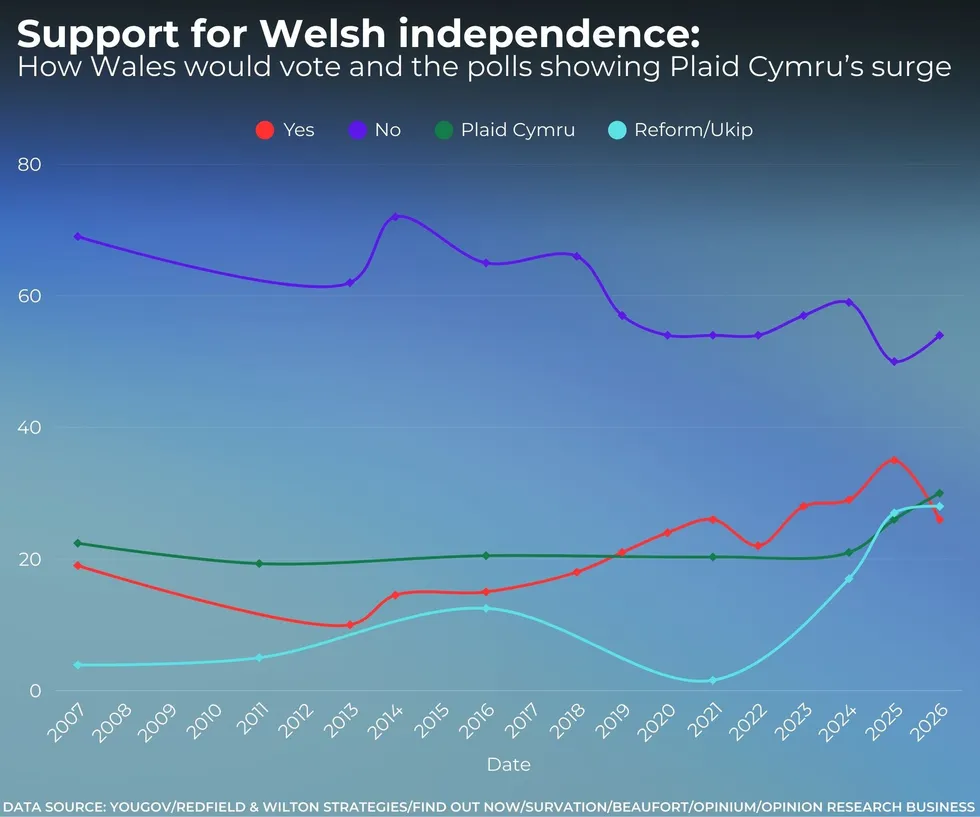
Support for Plaid Cymru is now outstripping support for Welsh independence
|
GB NEWS
However, a recent surge in support for Plaid Cymru is now outstripping the proportion backing Welsh independence by as much as 10 per cent.
YouGov pollster Anthony Wells told GB News: “The two aren’t necessarily linked. Just because they are a Welsh independence party, doesn’t mean voters supporting them have to support Welsh independence.”
Mr Wells added: “Someone who doesn’t really think independence is on the agenda, doesn’t think it’s a big concern at the moment, or doesn’t think it’s actually going to happen right now, won’t feel blocked if they’re attracted enough to other policies.
“As long as Plaid push that issue slightly to the edge, they are in a very strong position just to be the natural recipient of disillusioned Labour voters.”
There have also been warnings that victory for Nigel Farage could trigger a surge in support for Welsh independence after a Norstat poll last year suggested Scots would be more likely to vote to sever ties with the UK if the Reform UK leader was in No10.
However, Mr Wells cautioned: “I’ve always been a little suspicious of the finding. In a sense, it lets people express their dislike of Nigel Farage… But to consciously say that I’m going to make decisions about the next 1,000 years of my country based on who’s in power the next two years does seem like quite a strange view to consciously take.”
Despite support for independence remaining significantly lower in Wales compared to Scotland, Yes Cymru activists have ramped up its protesting efforts in recent years.
Yes Cymru has organised 10 national marches since 2019, including in Bangor, Barry, Caernarfon, Carmarthen, Merthyr Tydfil, Rhyl, Swansea and Wrexham.
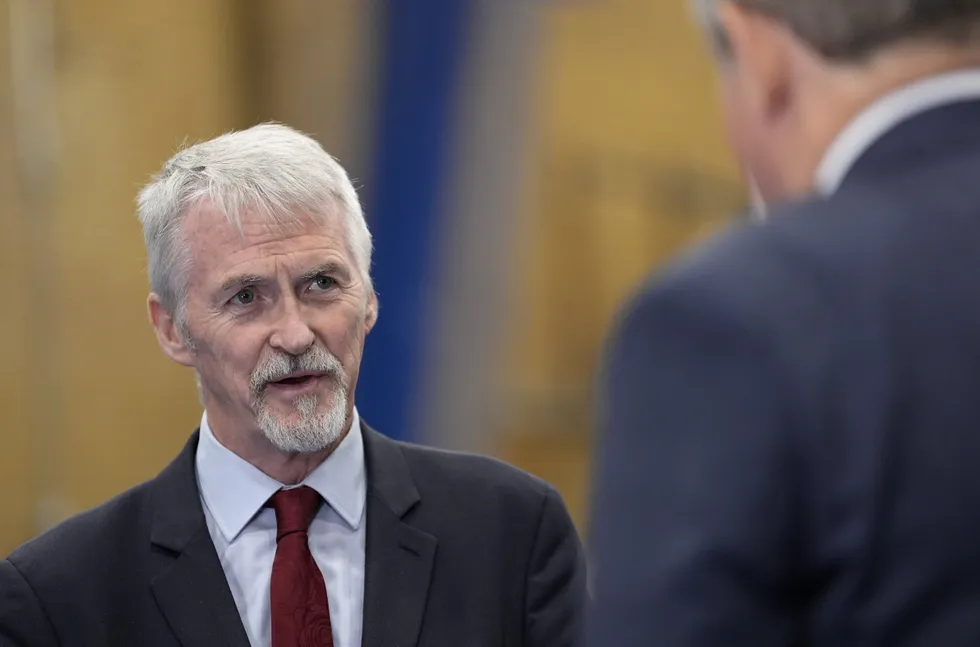
Huw Irranca-Davies, Deputy First Minister of Wales, issued a dire warning about Welsh independence
|
PA
More than 10,000 pro-independence activists marched through the streets of Cardiff in 2022.
However, the locations suggest support for independence is moving beyond pockets of predominantly Welsh-speaking seats in north and west Wales.
Plaid Cymru first won a Westminster parliamentary seat in 1966 when Gwynfor Evans snatched Carmarthen from Labour with a majority of 2,436 votes.
Mr Evans was unable to emulate his success in 1970, with Plaid Cymru waiting until 1974 to win Caernarfon, Carmarthen and Merioneth.
Welsh nationalists have since tasted victory in Arfon, Ceredigion, Dwyfor Meirionnydd, and Ynys Mon.
Caerphilly’s Senedd by-election last October showed Plaid Cymru is now making significant inroads beyond its base.
The Gwent town had consistently voted for Labour since 1918, including at the 2024 General Election.
However, Lindsay Whittle, who previously stood in Caerphilly on 13 other occasions, snatched the seat with a thumping 3,848-vote lead over Reform UK.
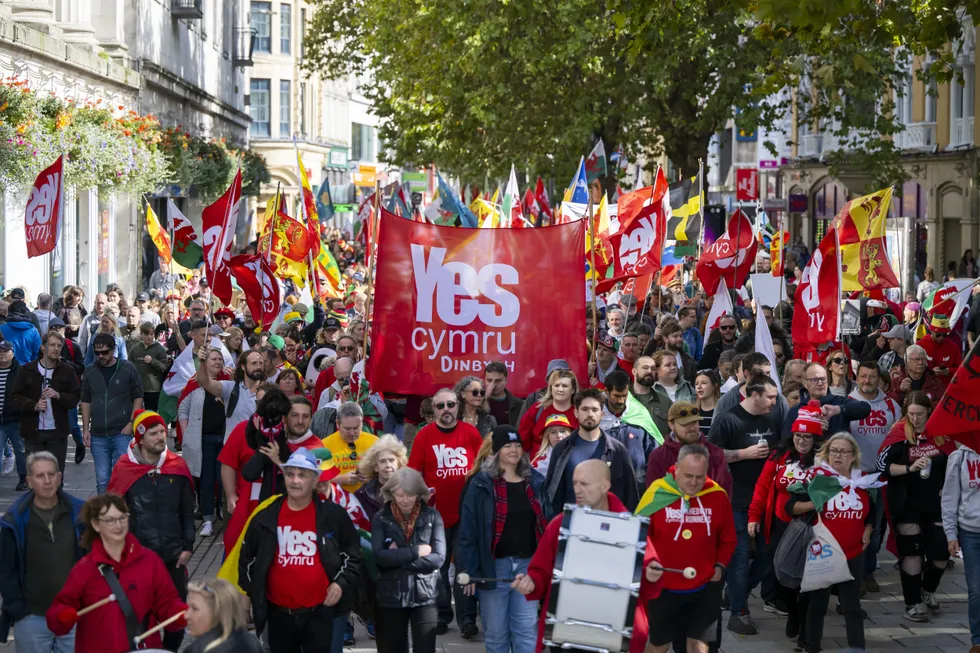
Support for Welsh independence has steadily increased since 2014
|
GETTY
Meanwhile, Labour’s vote share dropped to 11 per cent, a markedly low level given Caerphilly’s longheld status as a safe seat.
Polling aggregator Nowcast now suggests that Plaid Cymru will win 33 seats in Wales on May 7, just one MS ahead of Reform UK on 32.
Welsh Labour would slump to just 19 seats, leaving the Greens on two seats and the Liberal Democrats on just one.
Once-staunchly Labour-voting Welsh towns now look set to face a choice between Plaid Cymru and Reform UK.
Llanelli, a town with high levels of residents who can speak Welsh, looks set to emerge as a knife-edge battleground.
Despite having voted for Plaid Cymru in the Senedd in 1999 and 2007, Reform UK is now tipped to overturn Labour’s razor-thin 1,504-vote Westminster majority.
Llanelli’s road to Reform UK was somewhat accelerated by the 2016 Brexit vote, with murmurings about the iconic Stradey Park Hotel being used to house asylum seekers cementing Mr Farage’s position as Labour’s main challenger.
Clwyd East, Montgomeryshire & Glyndwr, Pontypridd, Swansea West and Wrexham have also emerged as surprise Reform-Plaid marginal seats, according to recent polling.
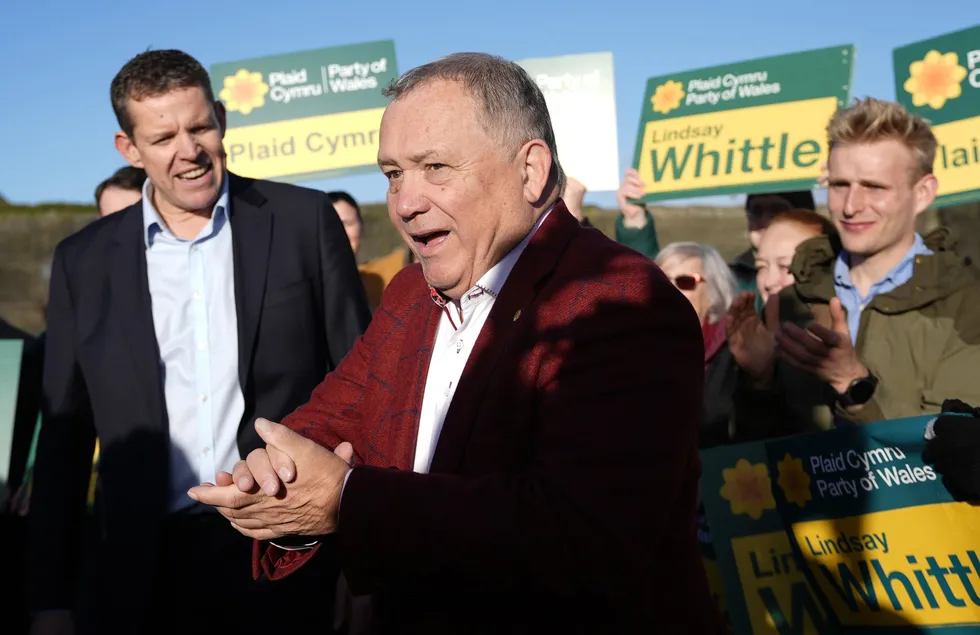
Rhun ap Iorwerth celebrated Lindsay Whittle’s victory in Caerphilly last October
|
PA
First Minister Eluned Morgan is looking to tar Plaid Cymru and Reform UK with the same brush, warning both parties post the risk of “instability” in Cardiff Bay.
However, Baroness Morgan is ramping up criticisms of Plaid Cymru’s independence plan by suggesting separating from the rest of the UK could cost Welsh taxpayers between £7,000 and £11,000 per year.
Wales’s sixth First Minister claimed May 7 could lead to the “real possibility” of the break up of the UK, adding Sir Keir Starmer needs to “give us the tools to help improve life for the people of Wales” to thwart the rise of separatism.
Irish nationalist party Sinn Fein is already in power in Belfast, with First Minister Michelle O’Neil putting pressure on Westminster to hold a border poll on the anniversary of the Good Friday Agreement in 2028.
Meanwhile, John Swinney is pushing for a second independence referendum if the Scottish National Party wins a majority of seats in Holyrood.
Speaking to GB News ahead of St David’s Day, Mr Irranca-Davies warned Plaid’s focus on the constitutional question risks failing to address “bread and butter” issues, including the NHS and cost-of-living crisis.
The 63-year-old, who argued Welsh independence would have a “devastating impact”, said: “That is absolutely Welsh Labour’s focus – bringing down waiting lists, making sure everybody has access to opportunities, regardless of their background, and putting money back into people’s pockets. Not wasting time and money on routes to independence.”
Welsh Labour is now poised to spend much of the 2026 campaign setting out how independence could impact the country, including an estimated cost of £11,000 every year per worker and the potential implications for free healthcare.

Sir Keir Starmer faces a tough night if Labour loses its grip on Wales
|
PA
However, Mr Irranca-Davies also took aim at Reform UK over its stance on devolution, warning Mr Farage’s party has spoken about “abolishing the Senedd”.
After Reform MS Laura Anne Jones refused to rule out scrapping the Senedd, Mr Farage vowed to “make devolution work”.
“You will not hear a word from me about getting rid of the Senedd,” Mr Farage added.
Despite looking at joining Sinn Fein and the Scottish National Party in power, Plaid Cymru leader Rhun ap Iorwerth instead opted to water down his push for Welsh independence last October – putting Wales on a slower path to separatism.
Speaking at Plaid Cymru’s party conference in Swansea, Mr ap Iorwerth instead proposed setting up a “standing commission”.
He added: “The motion looks to the future… and the need ultimately for a white paper which would set the formal path towards asking the people of Wales in a referendum.
“We make it clear it is us that should call the referendum when the time is right. But that’s not for now or the next Government.”
A Plaid Cymru spokesman reiterated the nationalist party’s position this week, telling GB News: “Plaid Cymru’s offering to the people of Wales in this year’s election is clear – new leadership for Wales with a new Government that will always stand up for our communities, with real plans to improve public services and boost our economy.
“Despite the other parties’ fearmongering with made-up figures, the election on May 7 is not a referendum on independence, it is a choice between two futures.
“A future inspired by hope and positivity for our nation’s future with Plaid Cymru, or the chaos and indifference offered by Reform.”
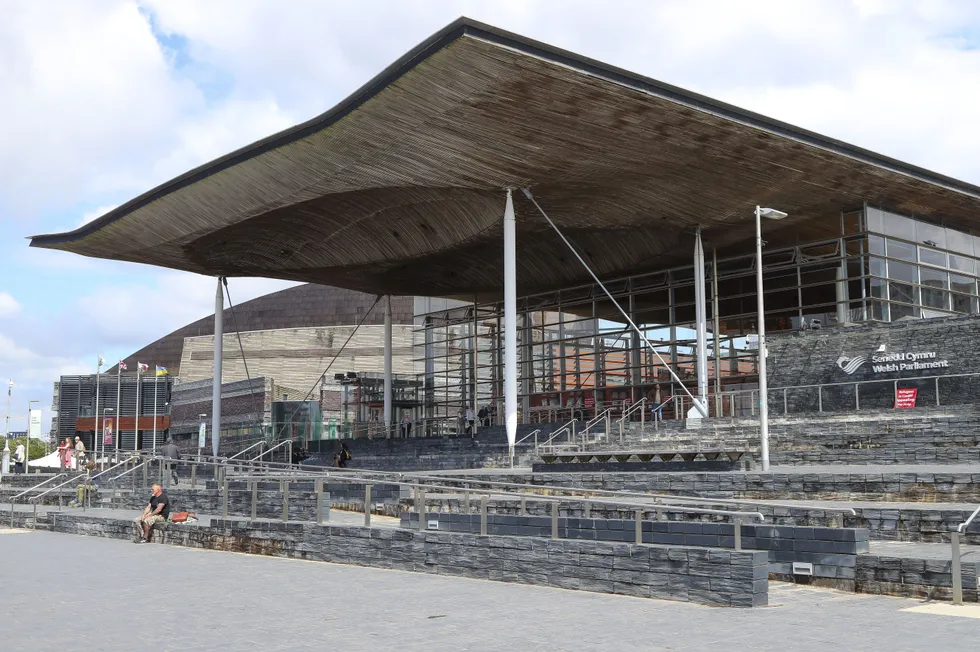
Welsh Labour is expected to lose its grip on Cardiff Bay on May 7
|
PATactical voting, which Mr Farage pointed to in Caerphilly, is expected to play a part of the campaign.
However, Mr Wells suggested Plaid’s newfound support remains much firmer following Labour’s victory in 2024.
“Obviously there was a tactical voting consideration,” the polling guru told GB News. “But in a broader sense, across Wales, I think it is more of a disappointment with Labour.”
Meanwhile, the Welsh Conservatives are vying with Reform UK to win over Unionist voters.
Polling suggests the Conservatives will cling onto just 11 seats in the Senedd, down from 16 despite a 36-seat expansion in Cardiff Bay.
However, the Welsh Tories have accused Reform of using “sound bites” rather than standing up for voters.
“Reform members in Scotland have backed independence, which raises serious questions about the consistency of their commitment to the Union elsewhere in the UK,” a Welsh Conservative source said.
“While Labour are happy to appease Plaid Cymru separatists who seek to rip Wales out of the United Kingdom, only the Welsh Conservatives are committed to reversing the increase in more Members of the Senedd and protecting the Union.”
The Tories have operated as Labour’s opposition in Cardiff Bay for a majority of the 28-years since the Welsh Parliament was created in 1998.
Conservative candidates continue to criticise Labour and Plaid Cymru for 580,000 people being stuck on NHS waiting list, a decline in education standards, lower employment rates, higher economic activity and struggling public services.
However, the threat of “constitutional upheaval” remains a major dividing line between the Tories and Labour.
“Seeking more devolved powers is a mistake, appeasing Plaid Cymru’s salami-slice strategy toward independence is an error being pursued by both Labour and Reform in calling for more devolved powers,” the Tory source added.