

Britain’s biggest building society has warned that gambling-related harm is rising, as new data shows the heaviest bettors are spending an average of £745 a month.
Nationwide said gambling spending has increased by nine per cent over the past year, while the number of betting transactions has risen by seven per cent.
The warning comes ahead of a busy year of major sporting events, including the FIFA Men’s World Cup, Six Nations rugby and the T20 cricket World Cup.
Research commissioned by the building society found that more than two-thirds of those surveyed expect to increase their betting during 2026, largely driven by football matches.
The World Cup alone was identified by 59 per cent of respondents as a key reason they plan to bet more.
Figures show top ten per cent of gamblers spend an average of £745 per month.
To help customers manage their betting habits, Nationwide introduced enhanced controls in 2024, including self-imposed gambling blocks and specialist training for frontline staff. More than 10,000 such blocks are now activated monthly.
The building society has incorporated a 72-hour cooling-off period before any block can be removed, providing an additional safeguard for those attempting to regain control.
Kathryn Townsend, Head of Customer Vulnerability for Nationwide, said: “At Nationwide, we know gambling can be a very emotionally charged activity, which is why we’ve deliberately built in a 72-hour cooling-off period for our gambling block – which offers an additional layer of protection and helps people to stay in control.
“No one should feel they have to face gambling harm alone – help is available, without judgement, whenever they need it.”
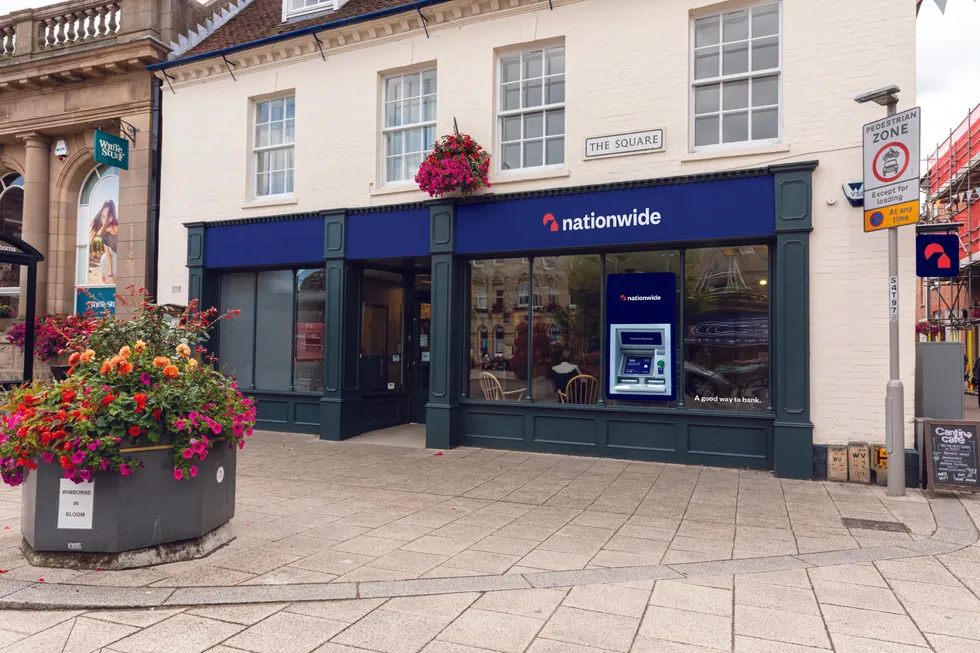 Nationwide has issued a major update | NATIONWIDE BUILDING SOCIETY
Despite these measures, nearly one in five gamblers remain unaware that financial institutions offer such blocking facilities.
Ms Townsend: “With a year of major sporting events ahead, we’re concerned that more people could find themselves gambling more than they can afford. That’s why early identification and strong safeguards matter.”
Raminta Diliso, Senior Partnerships Manager for GamCare, said: “Gambling harm is often a very hidden issue but the problems it can cause people can be significant.”
The National Gambling Helpline, run by GamCare, fielded 105,765 contacts from individuals seeking assistance during 2025.
Treatment referrals have surged dramatically, with 996 people directed to support services in January 2026 compared to 674 during the same month the previous year – representing a 48 per cent rise.
A survey of 2,000 gamblers conducted by Nationwide revealed that 68 per cent expect to place more bets this year due to the packed sporting schedule.

Ladbrooks is a popular gambling location
|
PAFootball dominates the anticipated increase, with the Champions League and its final attracting 34 per cent and 30 per cent of respondents respectively, while Royal Ascot was mentioned by one in five.
Among those surveyed, 17 per cent admitted gambling to cover essential household bills.
Identifying gambling addiction can prove more challenging than recognising other harmful behaviours such as alcohol or substance abuse.
Warning signs include becoming increasingly withdrawn, staying home more often, and compulsively checking phones for betting results.

Sleep disturbances frequently accompany gambling difficulties, particularly when someone is attempting to recover losses
|
GETTYNoticeable shifts in mood and behaviour may also indicate a problem, with individuals appearing worried, agitated or distressed without obvious cause.
Sleep disturbances frequently accompany gambling difficulties, particularly when someone is attempting to recover losses.
Financial indicators such as unexplained missing funds, persistent money shortages, and pressure to secure loans should raise concerns.
Dishonesty about how time or money is being spent represents another common symptom. Those worried about their own or someone else’s gambling can contact the National Gambling Helpline free on 0808 8020 133.