

Vehicle production in the UK has fallen again, as experts blame weak global markets and plant restructuring for the disappointing figures.
New data shows that vehicle production in the UK dropped by 13.6 per cent in January, with 67,415 vehicles produced over the last month.
Factories produced 65,249 cars, while only 2,166 commercial vehicles were produced, leading to a huge 68.6 per cent drop in output.
The manufacturing of commercial vehicles in the first month of the year took a hit after changes were made to a key factory, although this meant output fell for the 10th consecutive month.
The UK also saw a large decline in exports of cars and commercial vehicles, which fell 10.1 per cent and 75 per cent respectively.
The European Union remains the biggest global market for the UK, taking 62.5 per cent of car exports and 94 per cent of commercial vehicle shipments.
Mike Hawes, chief executive of the Society of Motor Manufacturers and Traders, said: “Weak exports to markets beyond Europe amid soft demand delivered a disappointing start to the year for UK vehicle manufacturing.
“It reinforces the need for a forward-looking trade agenda that secures existing preferential access – notably with the biggest market on our doorstep given protectionist ‘Made in Europe’ proposals – and builds new ones with markets worldwide.”
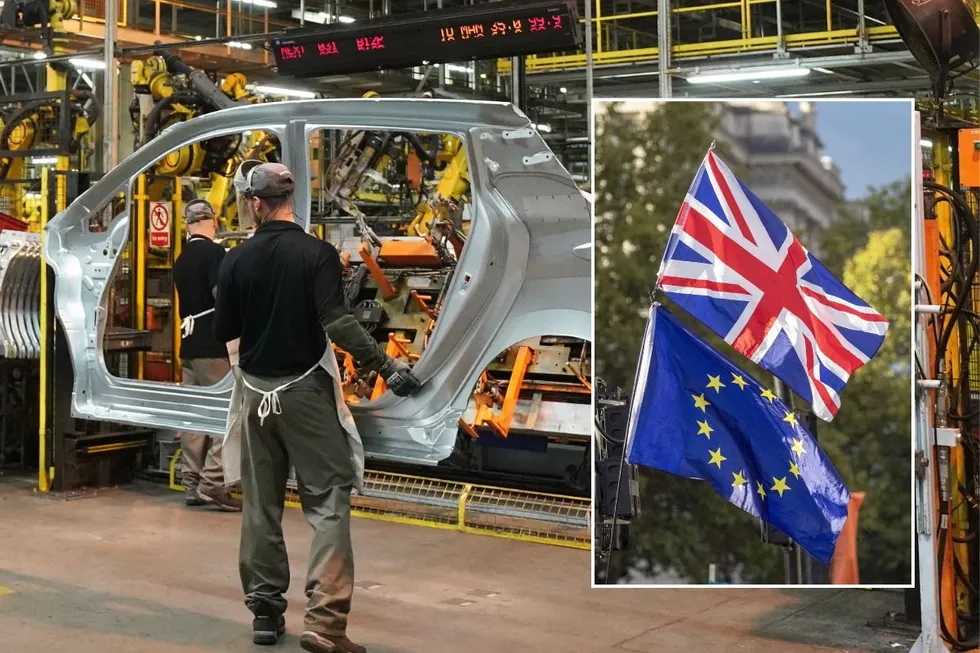
Vehicle production across the UK in January fell 13.6 per cent
|
REUTERS/PA
Business and Trade Secretary Peter Kyle has met with European Commission officials in a bid to secure access to the EU’s “Made in Europe” preferential treatment scheme.
The aim of this scheme is to prioritise European businesses and products, although it has not been formally confirmed which countries will be included.
Draft criteria for the “Made in Europe” scheme states that the scheme would include the 27 European Union member states, the European Economic Area and the potential for “trusted partners”.
Commenting on the meeting, Mr Kyle said: “I’m excited about what the UK and the EU can achieve together.”
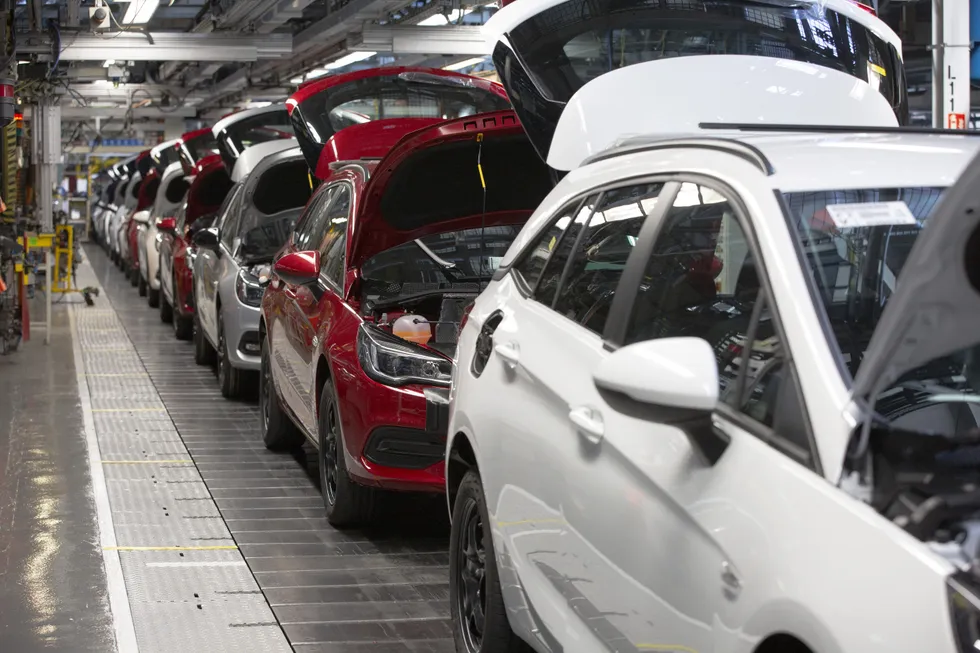
The SMMT remains optimistic that vehicle production rates will recover
|
GETTYIt comes as the European Union confirmed changes to its petrol and diesel car ban plans, following pressure from governments across the continent and manufacturers.
The new rules state that carmakers will comply with a 90 per cent tailpipe emissions target from 2035 onwards.
The remaining 10 per cent of emissions will need to be compensated through the use of low-carbon steel “Made in the Union”, in addition to e-fuels and biofuels.
Manufacturers will also be able to use “super credits” for small, affordable electric cars made in the EU to incentivise smaller and cheaper EVs to hit the market for consumers.
 Production of the Nissan Leaf started in Sunderland last December | NISSAN
Mr Hawes added that any regulations should be combined with measures to protect and boost the UK manufacturing sector.
He specifically highlighted lower energy costs, a sustainable domestic market and specific support for the production supply chain.
The SMMT remains optimistic about the manufacturing sector, with specific focus on electric vehicle production in Sunderland with Nissan and a further seven new EV models planned for rollout this year.
Independent estimates suggest that overall car production could rise by more than 10 per cent to almost 800,000 units, with further hopes of reaching one million by 2027.