

Net zero policies are being blamed for a sharp downturn in Aberdeen, where the average home now sells for just £136,000, its lowest level since 2006, and around 18,000 energy jobs have disappeared since 2010.
Once Britain’s gateway to North Sea wealth, with wages second only to London and property prices nearing £215,000, the city is now grappling with the fallout of a rapidly shrinking offshore sector.
Between 2004 and 2015, Aberdeen’s population increased by almost 20,000 as workers relocated to secure highly paid roles in the energy sector, while property values surged 165 per cent over the preceding decade.
By contrast, more than two-thirds of homes in Aberdeen declined in value last year, according to data from Zoopla.
Some homeowners who bought at the market peak in 2014 have seen losses of more than £90,000.
Industry analysts attribute part of the downturn to the Government’s decision to halt new drilling licences and to extend the windfall tax on oil and gas producers until 2030.
The levy was originally introduced as a temporary response to elevated profits during the pandemic recovery period but was extended in the November Budget delivered by Chancellor Rachel Reeves.
Professor Paul de Leeuw, director at the Energy Transition Institute, said the pace of decline in the North Sea is now being shaped by “policy, not geology”.
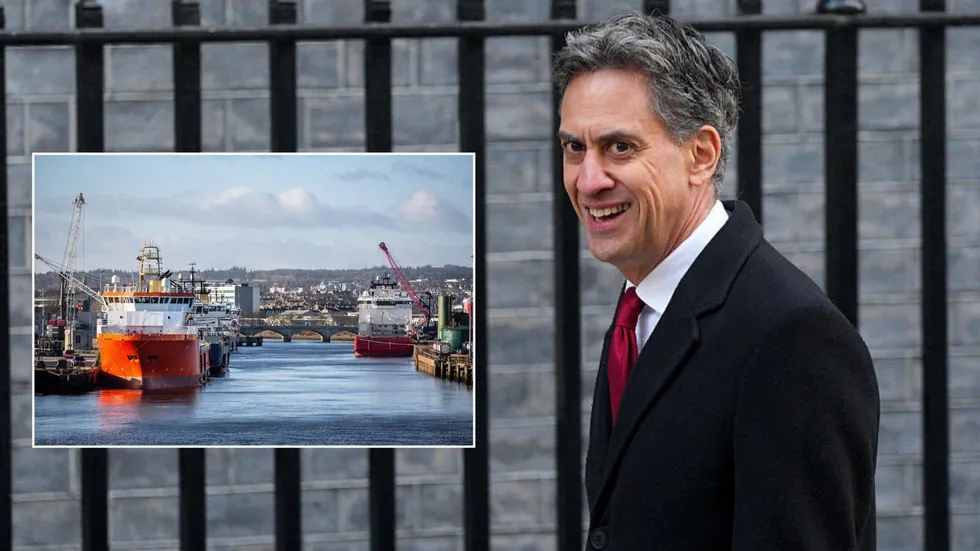
Aberdeen has lost 18,000 jobs since 2010 as property values tumble to lowest level since 2006
|
GETTY
He said: “We have a choice now of managed decline which is what happened in the last quarter century or an accelerated decline where you pull the handbrake.
“If you go for accelerated decline then it’s a real problem and that’s what we’re currently seeing.”
Trade body Offshore Energies UK has warned that prolonging the windfall levy risks undermining investment and could result in tens of thousands of job losses across the supply chain.
Ross, an instrument technician working in the oil and gas sector, recently sold his home for £40,000 less than the £245,000 he paid in 2019.

Industry analysts partly blame the downturn on Labour’s halting new drilling licences and extending the windfall tax to 2030
|
GETTY
He said: “I was worried that if I didn’t sell now the price might drop even more. If it dropped more I would very likely end up in negative equity.”
He blamed Government policy for the downturn: “The housing market in Aberdeen effectively crashed because of the quite frankly ridiculous net zero policies which have played a huge part in all this.
“Unless we see a massive shift in net zero, windfall tax and offshore licences, Aberdeen will continue to remain as it is.”
Across the wider UK, property prices have risen by more than 53 per cent since 2014, creating a stark contrast with conditions in Aberdeen and leaving some homeowners facing diminished retirement prospects.
Energy Secretary Ed Miliband previously pledged that clean energy roles would replace oil and gas positions as part of the transition to net zero.
However, several major companies operating in the region have reduced their presence or redirected investment overseas, including to energy projects in the Persian Gulf, with some skilled workers relocating as a result.
Professor de Leeuw said renewable investment has not expanded quickly enough to absorb those leaving traditional roles.
He said: “Renewable energy activity isn’t happening fast enough. [Those working in the energy sector] are highly qualified, highly skilled people. They’re not going to sit around inside of a Jobcentre Plus.”
Net migration to Aberdeen has fallen sharply, dropping from 24.2 per thousand residents in 2023 to 11.7 last year, reducing demand for housing and adding further downward pressure on prices.
As more properties come onto the market amid subdued buyer demand, values have continued to weaken.
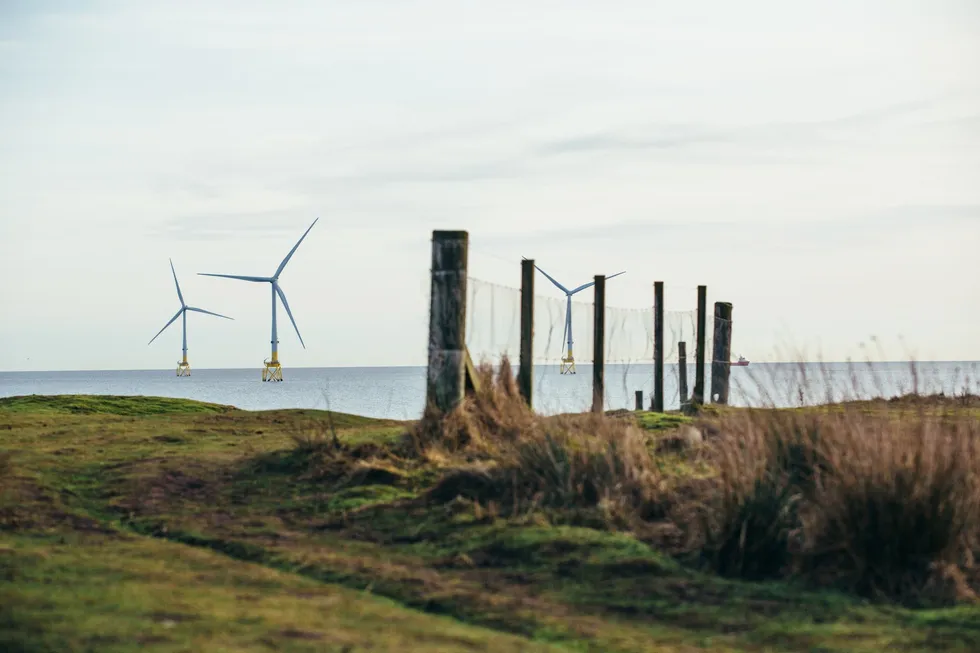
Wind turbines on the Aberdeen coast
|
GETTY
Professor de Leeuw warned that without a managed approach to the transition, the UK risks eroding an energy cluster developed over decades.
He said: “The average age in the industry is early 40s. These people have jobs, families, careers. It’s not that they’re going to be unemployed, that’s highly unlikely.
“They’re just going to work somewhere else. It took us decades to build a world-class cluster. It takes a few years to take it away.”
He advocated what he described as a “Goldilocks zone” that would retain the existing workforce while providing sufficient time for the renewables sector to mature.
A spokesman for the Department for Energy Security and Net Zero said: “We have set out a plan to build a prosperous and sustainable future for the North Sea, backed by record investment to grow clean energy industries.”