

HM Revenue and Customs (HMRC) has dramatically stepped up its scrutiny of bereaved families suspected of underpaying inheritance tax (IHT), with the revenue authority launching 3,636 investigations during the first nine months of the current tax year alone.
This figure represents an increase of nearly 1,000 compared with the equivalent period twelve months earlier.
Freedom of Information (FoI) data reveals that since the 2022-2023 financial year, a total of 14,027 families have faced investigation by the taxman.
More than 1,800 of these cases remain active, with 13 investigations approaching their fourth year.

Inheritance tax investigations are being conducted by HMRC
|
GETTYWhile most inquiries conclude within six to twelve months, complex matters can extend considerably longer.
Sean McCann, chartered financial planner at NFU Mutual, cautioned that the revenue authority possesses “substantial investigatory powers” when it suspects that inheritance tax has been underpaid.
He said: “This can include analysing bank statements to identify income which may suggest the existence of undisclosed assets, such as investments or property or significant foreign currency transactions.”
Estate executors bear responsibility for calculating the value of assets and reporting the inheritance tax liability to HMRC.
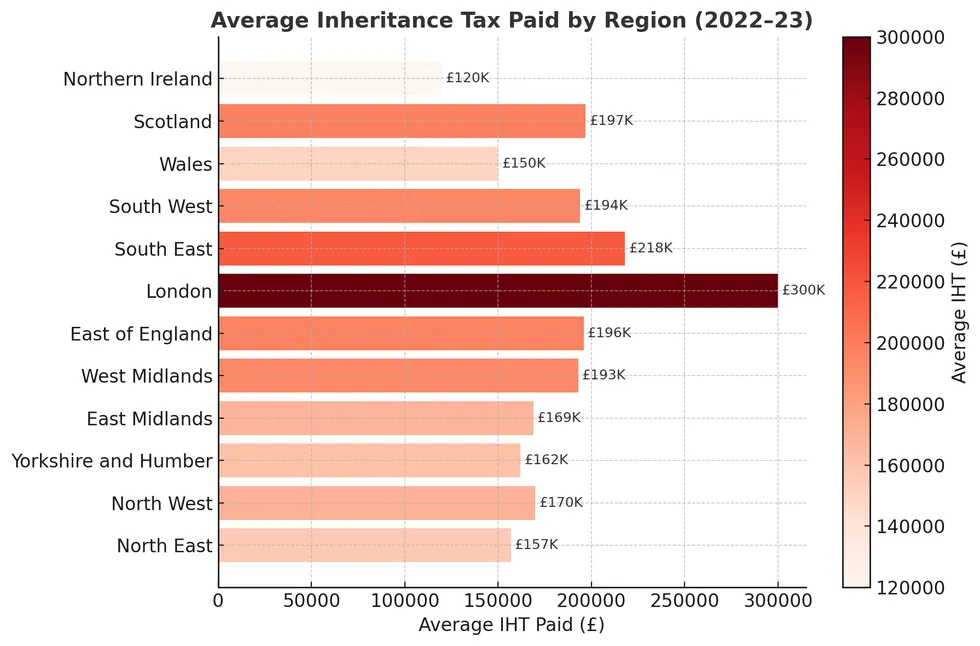 Average Inheritance tax paid by region | CHATGPT/ONS
More households are expected to become liable for inheritance tax in the years ahead
|
GETTYThe death duty must be settled within six months of the individual passing away, after which interest accrues at 7.75 per cent annually.
Prior to pandemic-era restrictions, HMRC routinely examined up to 5,000 families yearly. Inheritance tax applies at 40 per cent on estate values exceeding the £325,000 nil-rate band.
When a property passes to direct descendants, an additional residence allowance of £175,000 becomes available.
Married couples and civil partners can pool these thresholds, potentially shielding up to £1million from the levy. Revenue from the death duty has surged dramatically over two decades, climbing from £3.3 billion in 2005 to £8.2 billion during 2024-2025.
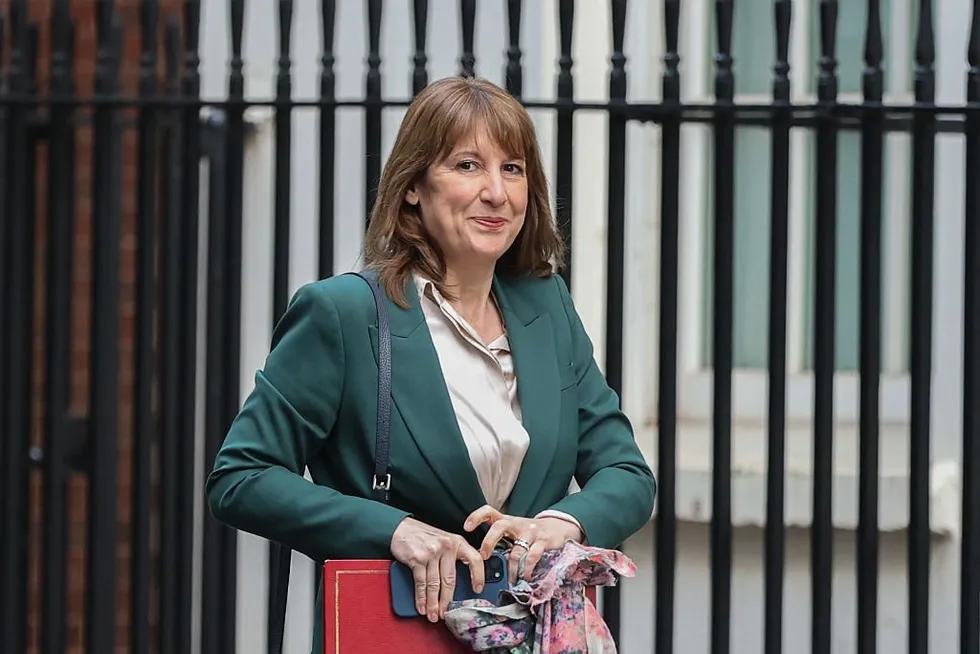 He slammed both Rachel Reeves and Sadiq Khan on business rates | GETTY
This substantial increase reflects the combined effect of soaring property values and tax-free thresholds that have remained unchanged for years, drawing ever more estates into the tax net.
From April 2027, pension savings will become subject to inheritance tax for the first time, a change the OBR estimates will affect 50,000 estates through higher bills or initial liability.
The Office for Budget Responsibility (OBR) projects that by 2030-2031, nearly one in ten deaths will trigger an inheritance tax charge, double the current rate of 5 per cent. As more modest estates fall within scope, the average bill is forecast to decline from £233,200 this year to £186,800 within five years.
An HMRC spokesman said: “Most people pay the correct amount of inheritance tax. In cases where it is suspected someone has not, investigations can be opened to address issues and ensure the system remains fair.”






 has dramatically stepped up its scrutiny of bereaved families suspected of underpaying inheritance tax (IHT), with the)