

Families claiming the full range of state benefits could receive £18,000 more per year than households earning the national living wage, according to research published by the Centre for Social Justice (CSJ).
The report, The Benefits Budget, sets out income comparisons following the Government’s decision to scrap the two‑child benefit limit.
The CSJ estimates that a workless household with three children receiving Universal Credit, housing support and health‑related payments including Personal Independence Payment could receive £46,000 by the 2026/27 financial year.
By comparison, a household where one parent works full‑time and the other part‑time on the national living wage is estimated to take home £28,000 after tax.
The number of people receiving out‑of‑work benefits without a requirement to seek employment has risen above five million.
The report states that a working household would need to earn around £71,000 before tax to match the income of a three‑child household receiving the full range of welfare payments.
For households with five children, the CSJ suggests a working family would need to earn roughly £90,000 before tax to match the £55,000 received by a comparable workless household.
The research highlights significant differences in outcomes for single‑parent households depending on employment status.

Households on full benefits could receive significantly more than working families
|
GETTY
A single parent out of work with three children is estimated to receive £43,000 in combined benefits — more than £22,000 higher than the net income of someone working full‑time on £20,600.
Where a child receives disability‑related payments for conditions such as ADHD or autism, a single parent with three children is estimated to receive £38,000, more than £17,000 higher than national living wage take‑home pay.
Barbara Robinson, marketing manager at WeatherSolve Structures, told GB News: “In business decisions, people do not make major life changes for marginal returns.”
She noted that a lone parent with three children receives £20,978 in benefits compared with £21,807 take‑home pay from full‑time minimum wage work — “an £829 difference for 40 hours of work every week”.
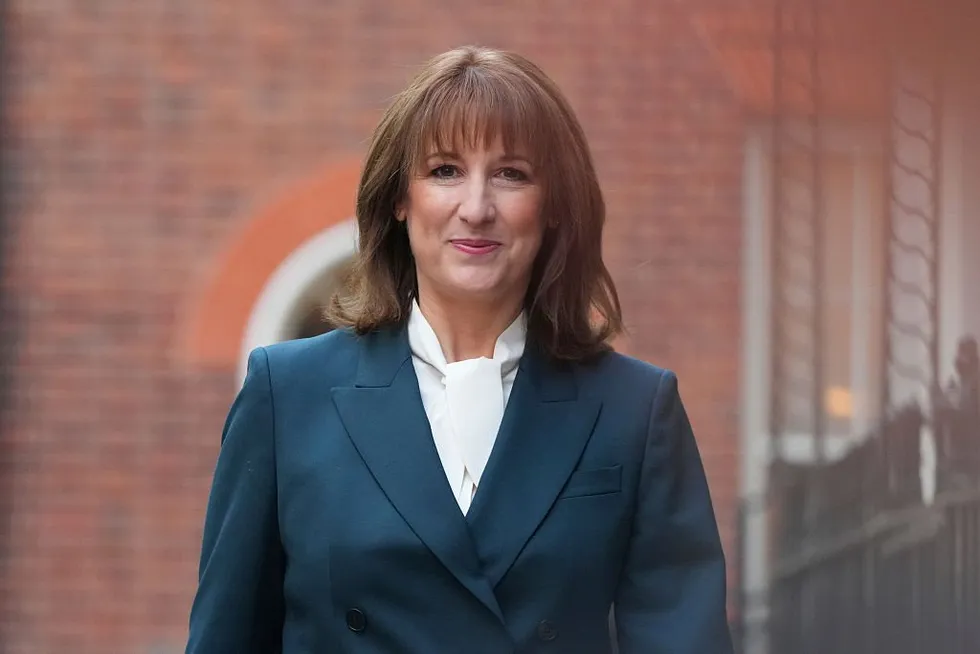
Rachel Reeves has been accused of cooking up a ‘Benefits Budget’
|
GETTY
Ms Robinson said that when the gap between working and not working is less than £70 a month, “you are asking someone to pay for childcare, transport and work clothes”.
Removing the two‑child cap, she said, increases benefits to £24,491, meaning “non‑working households move ahead by £2,684 a year”.
She argued that financial incentives strongly influence labour‑market decisions.
“People often need at least a 20 to 30 per cent improvement to change established patterns, and an £829 annual gain is about 3.8 per cent more income for significantly more work and complexity.”
A single parent paying £800 a month for childcare, she added, “would eliminate the entire £829 annual gain”.
Separate forecasts show working‑age health benefit spending is expected to reach 1.9 per cent of GDP by 2030 — the highest share in two decades and almost double the level recorded 10 years earlier.
The disability benefit caseload has increased by 1.3 million since the pandemic, with claims linked to anxiety and depression tripling since 2019.
Around 5,000 people each day are being signed off work and moved onto long‑term sickness benefits.
The number of children living in households where no parent works has risen to 1.5 million, representing the fastest recorded increase.
Child disability benefit spending is forecast to rise by 76 per cent, adding £3.4billion by 2030, with a large share linked to claims for autism and ADHD.

Workers could be worse off than non-workers
|
GETTY
Iain Duncan Smith, former Conservative leader and chair of the CSJ, said: “Good politics is about tough choices.
Hiking taxes on working people to pay for £16billion in extra welfare spending is a bad choice.
Taking money from those who work hard to give to those who work not is bad economics and bad politics.
Pouring money into benefits is not the same as tackling the root causes of poverty.”
Joe Shalam, policy director at the CSJ, said: “Work is the best route out of poverty, but our welfare system grows ever more riddled with perverse incentives that trap people on benefits and fail to help them towards financial independence.”
He said ministers should consider welfare reform before long‑term dependency increases further.
Debate around welfare policy is expected to continue as spending projections and labour‑market participation trends remain under review.