

Britain’s benefits capital has been revealed as part of a new study into handouts across the country.
The north London borough of Enfield was found to receive the most money per head of any local authority in the country.
The new figures reveal that £3,868 was spent on benefits in the borough in 2024/25 for every person of working age.
It was also the smallest borough where the benefits bill surpassed £1billion.
It was followed on the list by Blackpool in Lancashire, (£3,678), Hackney in London (£3,669, Blaenau Gwent inSouth Wales (£3,462), and Haringey, also in London (£3,419).
Top Tory Neil O’Brien conducted the analysis based on Universal Credit, Disability Living Allowance, Personal Independence Payments costs and working age housing benefits.
Birmingham had the highest overall benefits bill, although the authority was only ranked in 14th when calculated per head.
Mr O’Brien, shadow minister for policy renewal and development, argued the benefits money could be used better if diverted to other sources.
MAPPED: Britain’s benefits capitals – explore Neil O’Brien’s data HERE
He said: “You could have tax breaks to get big investors into County Durham and Sheffield. London boroughs like Enfield, Brent and Newham have 50,000 to 60,000 pupils in their schools. They could have class sizes of two or three.
“With £15billion over a decade, Leeds could finally build its tram without requiring Whitehall approval. The tram was recently cancelled by central Government for the umpteenth time.”
The Institute for Fiscal Studies previously named Enfield as the seventh-worst funded local authority in the land.
Mr O’Brien’s data also exposes wealth disparity between areas, with the west of Enfield being among the poorest areas in Britain, with suburbs such as Winchmore Hill and Oakwood among the least deprived areas.
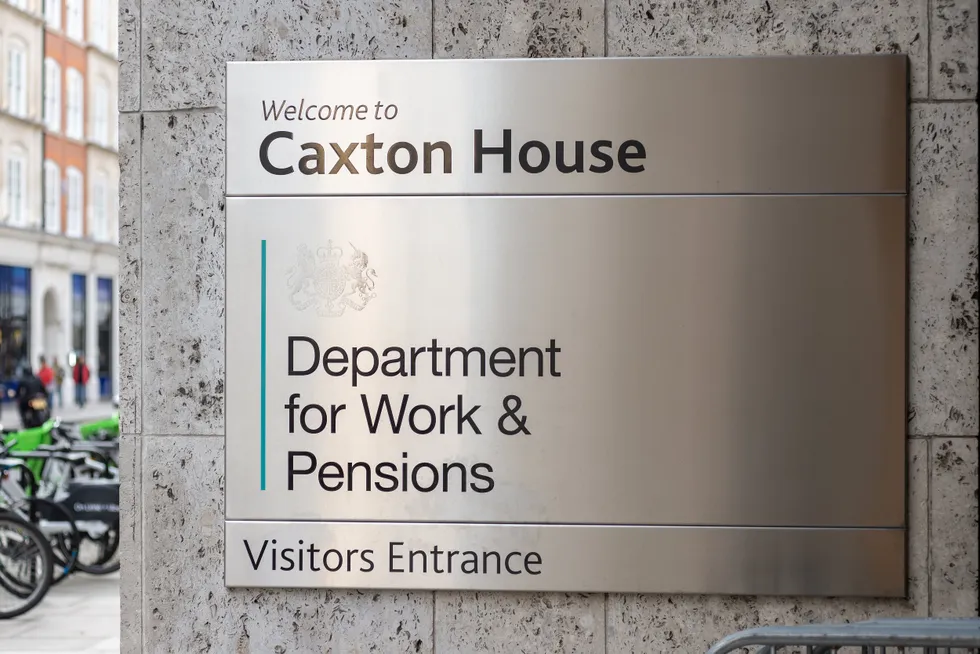
The Department for Work and Pensions has been told it would be unable to change the benefits system until next year
|
GETTY
Some 37.7 per cent of residents in Enfield are in “income-deprived” households, and more than a fifth are on out-of-work benefits.
Trevor Blackman, the chief executive of the Edmonton Community Partnership, told the Enfield Dispatch: “It’s because of historic underfunding and being badly resourced. We’ve got inadequate housing for a lot of our families. We should not be putting them in housing with mould, with rats, with no heating, but these are the realities for many people.”
Britain’s benefit bill is expected to rise from £140billion to £177billion by the end of this Parliament, but the Department for Work and Pensions has been told it will not be given in time to Parliament to introduce changes to the benefits system.
Mr O’Brien added: “If we want the firepower to fix broken places, we need to look to control spending instead. If we could cut the ever-growing welfare bill then maybe we could get somewhere.”
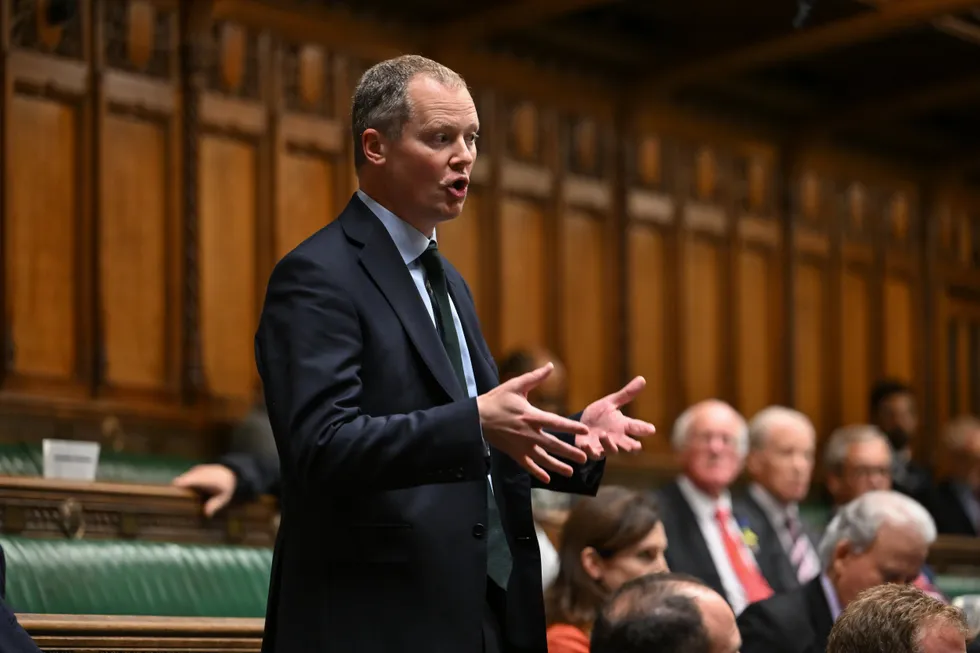
Tory MP Neil O’Brien conducted the analysis which found Enfield to be the benefits capital
|
HOUSE OF COMMONS
A Department for Work and Pensions spokesman said: “We are committed to spreading opportunity to every community across Britain, ensuring people in all parts of the country have access to the support they need to find good, secure jobs.
“That’s why we’re deploying over 1,000 Pathways to Work advisers in Jobcentres across England, Wales and Scotland.
“Alongside this, our Connect to Work and WorkWell programmes offer localised support, which will help hundreds of thousands of people to enter and remain in employment – backed by over £3.5 billion by the end of the decade.
“We are also increasing the main rate of Universal Credit, sustained above inflation for the first time – putting hundreds of pounds more per year into the pockets of low-income families.”