
Millions of households across Britain will face an increase in the BBC TV licence fee from April, but how much will you pay?
The rise, mandated by the 2022 Licence Fee Settlement and linked to inflation, has drawn sharp criticism from industry experts who point out the fee now exceeds the price of standard subscriptions to streaming giants Netflix and Disney+.
Under the hike, hte BBC licence fee will rise by £5.50 a year to £180. The Government maintains the increase will ensure the corporation remains on stable financial ground, describing the BBC as the UK’s leading media brand.
Ministers have pledged to maintain the licence fee model until the current Charter concludes on 31 December 2027.
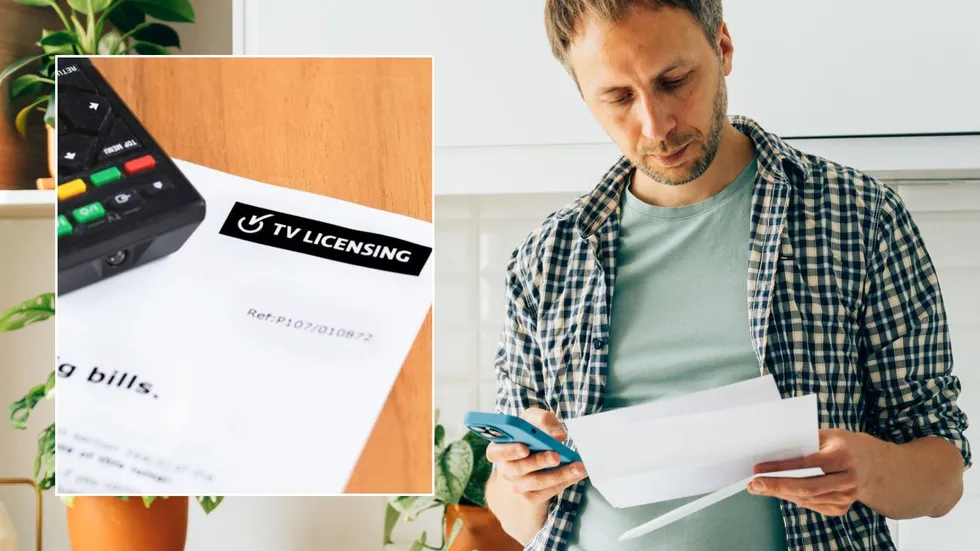
TV licences are set to rise – but how much will you pay?
|
GETTY
Concessions remain in place for pensioners receiving Pension Credit, care home residents, and those with visual impairments.
Kundan Bhaduri, entrepreneur at London-based The Kushman Group, condemned the mandatory nature of the charge.
He said: “At £180 a year, the BBC is now going to be more expensive than a standard subscription to Netflix or Disney+, yet unlike those services, it will not be a choice but a compulsion for many even if they have nothing to do with the BBC.”
Mr Bhaduri noted that the Labour Government’s justification for financial stability was “frankly quite laughable”.
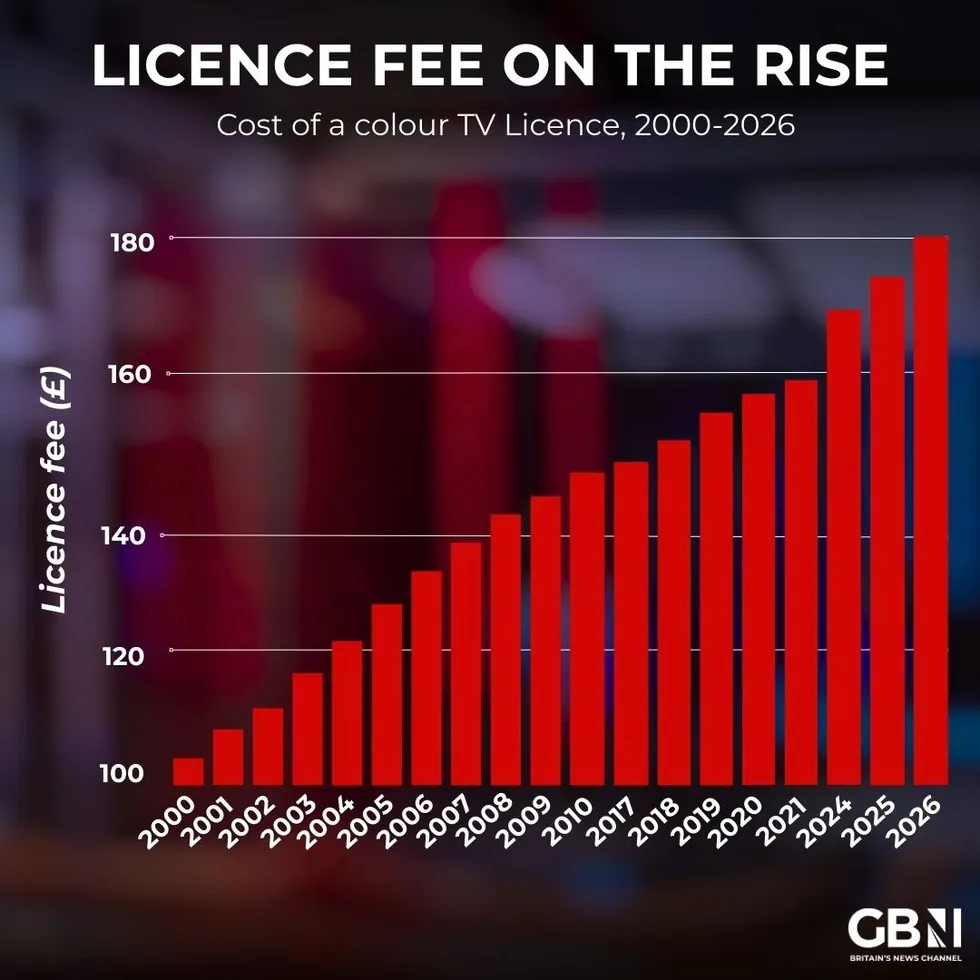 Licence fee on the rise – Cost of a colour TV Licence, 2000-2026 | GB NEWS
Colette Mason, author and AI consultant at Clever Clogs AI, offered a more nuanced perspective, suggesting the BBC appears “expensive and inefficient” when measured against streaming platforms.
She shared: “If you judge it by democratic standards, trusted news, national education and events, cultural memory, it starts to look like a wider role than pure entertainment.”
Ben Perks, the managing director at Stourbridge-based Orchard Financial Advisers, accused ministers of being disconnected from public sentiment.
“Another example of how out of touch this Government is. They should scrap the license fee altogether, nobody minds an advert break anymore,” he said.
“Viewers grab their phone for three minutes and doom scroll until the programme resumes. They need to get with the times or Gen Z and Gen Alpha will kick them to the curb.”
However, Samuel Mather-Holgate, managing director at Swindon-based Mather and Murray Financial, defended the existing funding model
He shared: “The licence fee issue will continue to be a source of debate, but until we find a suitable alternative funding solution to our national broadcaster there will always be debate,” he said, noting that abolishing the BBC entirely lacks political consensus and remains broadly unpopular with the public.
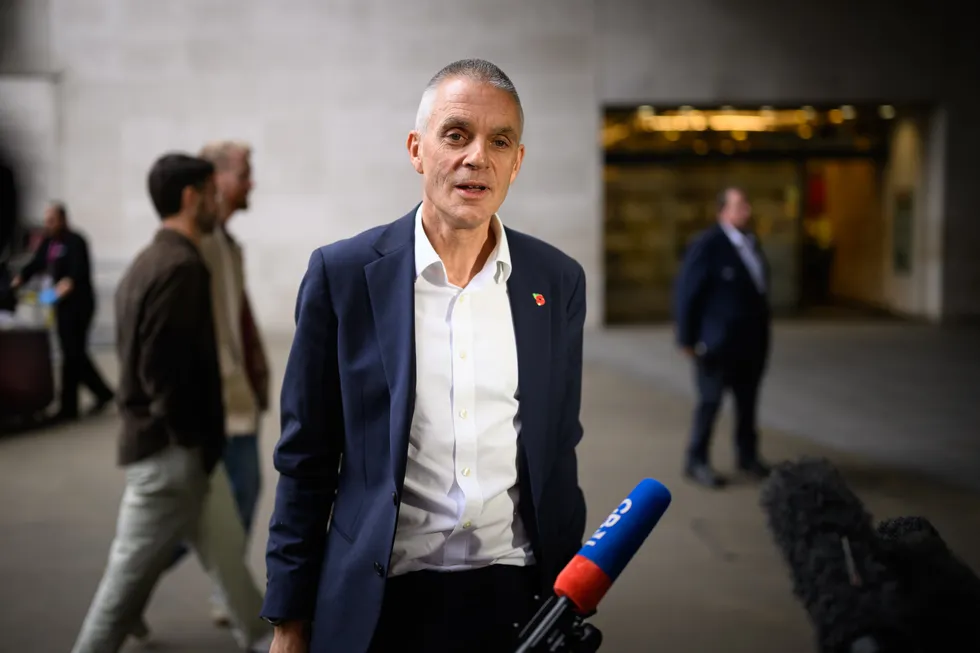 Director-General Tim Davie quit the broadcaster | GETTY
Rohit Parmar-Mistry, the founder at Burton-on-Trent-based Pattrn Data, argued to the Newspage that the corporation requires fundamental reform rather than abolition.
He said: “Hiding behind the ‘subscription is the answer’ narrative is dangerous. We’re fast-moving into an era where we own nothing and rent everything, do we really want our national culture locked behind a commercial paywall too?”
Mr Parmar-Mistry criticised the BBC for becoming “terrified of taking risks”, questioning where the next boundary-pushing satire or distinctive programming might emerge.
“The BBC shouldn’t be competing with global streamers, it should be the antidote to them,” he added, calling for progressive taxation to replace what he described as a “regressive flat tax on the poor”, alongside cuts to “middle-management bloat” and greater investment in creative talent.