

The British public’s appetite for higher taxation and increased Government expenditure has plummeted to its lowest point in over a decade, according to the latest British Social Attitudes survey released today by the National Centre for Social Research.
Only 36 per cent of respondents now believe ministers should raise taxes to boost spending on health, education, and welfare, which is a figure not seen since 2013.
The decline has been dramatic, with backing for greater taxation and public investment tumbling by 19 percentage points since 2022.
Perhaps most striking is that a record one in five people now actively support cutting both taxes and spending, more than doubling from eight per cent three years ago.

The British public is turning against high taxes and spending, according to a new poll
|
GETTY
The survey also a widening chasm between voters of different political persuasions on fiscal policy.
Among those backing the Conservatives and Reform UK, merely 21 per cent want to see taxes and spending rise, whereas 52 per cent of Labour, Liberal Democrat, and Green supporters take that view.
The gap is equally pronounced when it comes to shrinking the state’s role.
Nearly three in ten Conservative and Reform voters, coming to around 29 per cent, believe taxation and expenditure should be reduced.
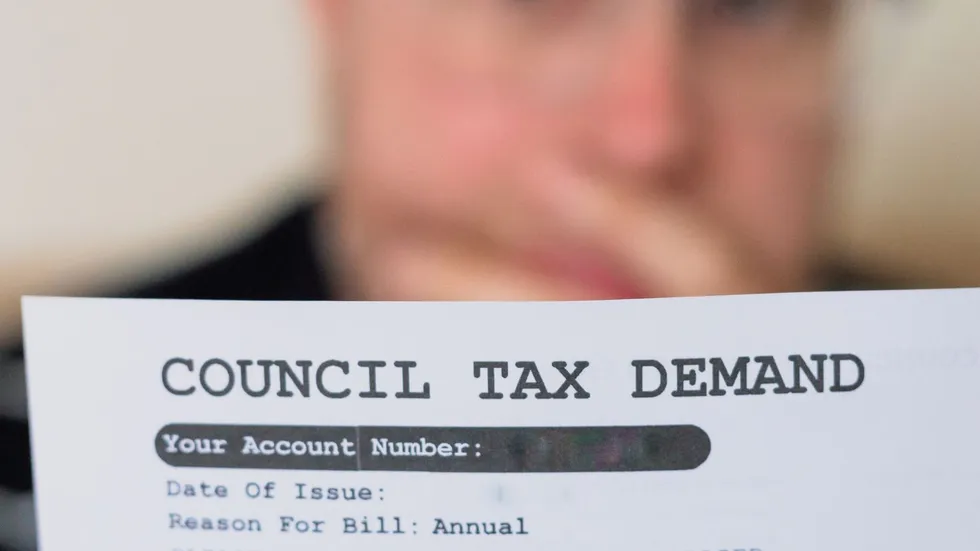 Britons are already paying more of their hard-earned cash to other tax bills | GETTY
 By contrast, just one in ten supporters of Labour, the Liberal Democrats and the Greens share that preference, highlighting how deeply partisan these economic questions have become.
Public attitudes towards welfare spending have also hardened considerably. Backing for increased benefits for the poor has dropped to 27 per cent, equalling the lowest figure ever recorded in the survey’s history.
Retirement pensions have seen a particularly sharp fall from favour. In 2006, some 61 per cent of the public considered them the top priority for additional benefits spending, but by 2025 that proportion had collapsed to just 34 per cent.
Support for boosting child benefits and payments for disabled people has reached unprecedented levels, suggesting voters are recalibrating which groups most deserve state assistance.
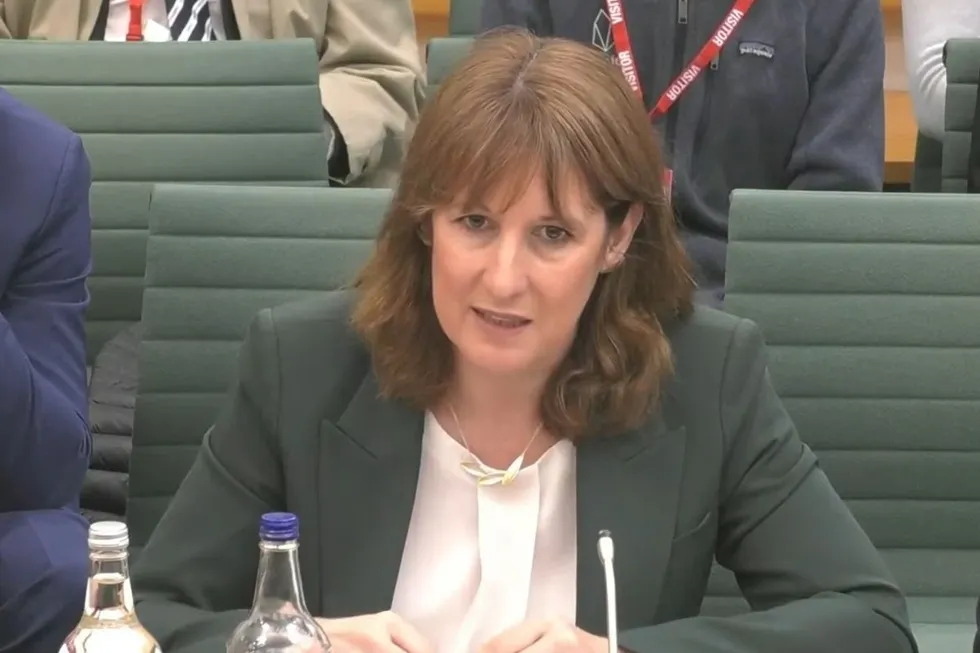 Rachel Reeves refuses to rule out clobbering Britons with further taxes | PARLIAMENT TV
Public perceptions of immigration have grown markedly more doubtful amid record migration figures.
Three years ago, half the population believed migrants benefited the economy and enriched British cultural life.
However, as of today, that figure stands at just 32 per cent in both cases.
These views have become far more politically divided than during the early 2010s, though overall sentiment remains less hostile than a decade ago.
Alex Scholes, the research director at NatCen, said: “After several years in which the size of the state has expanded, public opinion has begun to shift.
“Support for reducing levels of taxation and spending has never been higher, and attitudes towards welfare spending have become more sceptical.
“Meanwhile, divisions between different groups of voters on these issues and others, such as immigration, have only become more pronounced.”