

With energy bills still putting pressure on household budgets, some pensioners are finding new ways to cut costs while improving comfort at home.
One London resident says the changes he made have delivered savings of more than £100 a month.
Tom Golden has slashed his household energy costs by three-quarters after making the switch from a gas boiler to a heat pump combined with solar panels.
Mr Gordon, who lives with his fiancée in south-east London, saw his monthly bills plummet from approximately £160 to just £40 following the installation around two years ago through Octopus Energy. Around £120 a week.
He said: “We had always been tempted by a heat pump. Our boiler was getting very inefficient and was on its last legs, so we wanted something that would make our house fit for the future.
“We were paying about £160 a month on our bills, which we really wanted to change.
“We installed the heat pump and solar panels, and it’s been an overwhelmingly positive experience for us. We’re now paying just £40 a month, so we’re saving over £1,400 on our bills every year. It’s not only the hardware that’s helping this.
“Our tariff with Octopus means we get cheaper electricity if we use energy at off-peak hours, which generates more savings.
His energy tariff with Octopus provides cheaper electricity during off-peak hours, generating additional savings beyond the hardware itself.
He added: “I wouldn’t go back to a gas boiler if I was moving and there was a choice of a house with a boiler or a house with a heat pump, I know I’d go for the heat pump every time. It’s saving us money and we’ve had no problems at all with it.”
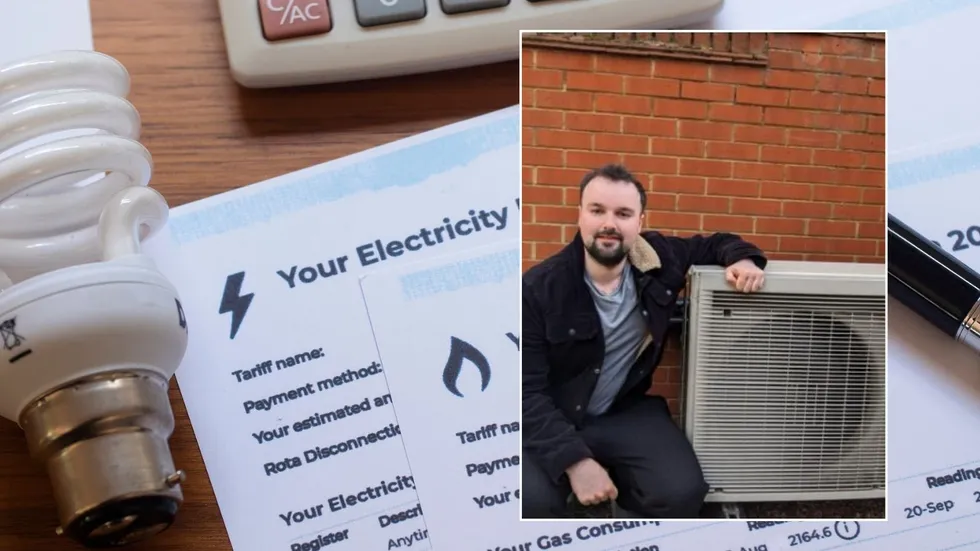
Tom Golden has slashed his household energy costs by three-quarters
|
OCTOPUS/GETTY
Homeowners wishing to replicate Mr Golden’s experience can tap into substantial Government backing through the £15billion Warm Homes plan.
The flagship scheme offers low and zero-interest loans for installing solar panels, heat pumps and battery storage systems.
Families on lower incomes who struggle with their energy costs will receive free upgrades including insulation and clean technology, supported by £5billion in public funding.
The programme allocates £2billion for consumer loans and £2.7billion for the boiler upgrade scheme, which provides grants of up to £7,500 towards replacing gas boilers with heat pumps.
A further £2.7billion has been set aside for innovative financing through a new warm homes fund investment facility.
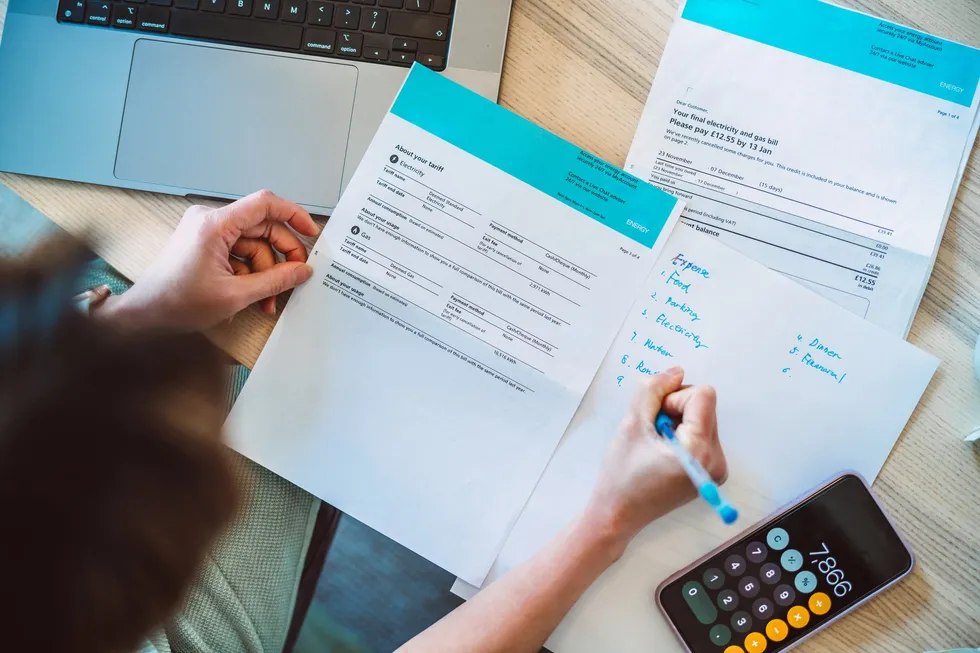
Families on lower incomes who struggle with their energy costs will receive free upgrades
|
GETTYHeat pumps operate by extracting warmth from outside air and transferring it indoors, functioning essentially as a reverse air conditioner.
The technology delivers a constant flow of heat rather than the short bursts produced by traditional gas boilers, making them particularly popular in colder nations such as Norway and Sweden.
Heat pumps are generally more energy-efficient than gas boilers, with some systems using up to four times less energy to produce the same level of heat. Switching can also reduce household carbon emissions by around 80 per cent, according to industry estimates.
The systems typically have a longer lifespan than traditional boilers, averaging around 20 years compared with roughly 15 years for gas heating. Some analysts say installing low-carbon technology may increase property values by up to three per cent.
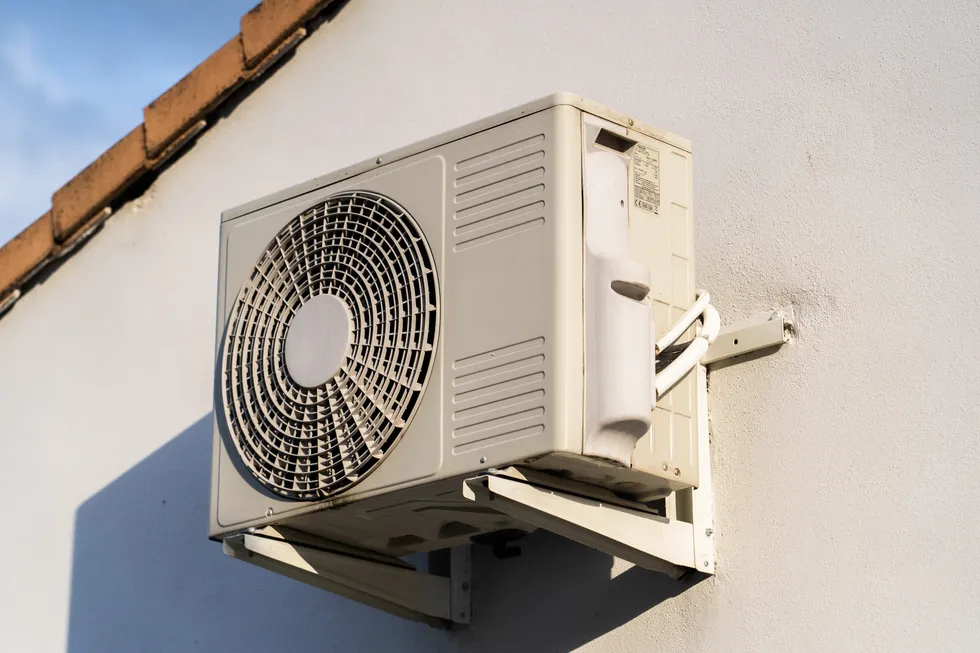
Grants of up to £7,500 are available to households replacing gas boilers with heat pumps
|
GETTYThe upfront cost of installation can be offset by government support. Grants of up to £7,500 are available to households replacing gas boilers with heat pumps, while several banks and mortgage lenders offer cashback of up to £2,000 for eligible customers.
Average installation costs are estimated at £3,818, compared with a national average of £5,295.
Combined with available financial incentives, homeowners could pay considerably less than these headline figures suggest.
The Warm Homes plan targets upgrades to as many as five million properties, with the Government aiming to save families hundreds of pounds annually on their energy bills.
Officials have set an ambitious goal of lifting up to one million households out of fuel poverty by 2030.